Full Article
about Villaverde Mogina
Ocultar artículo Leer artículo completo
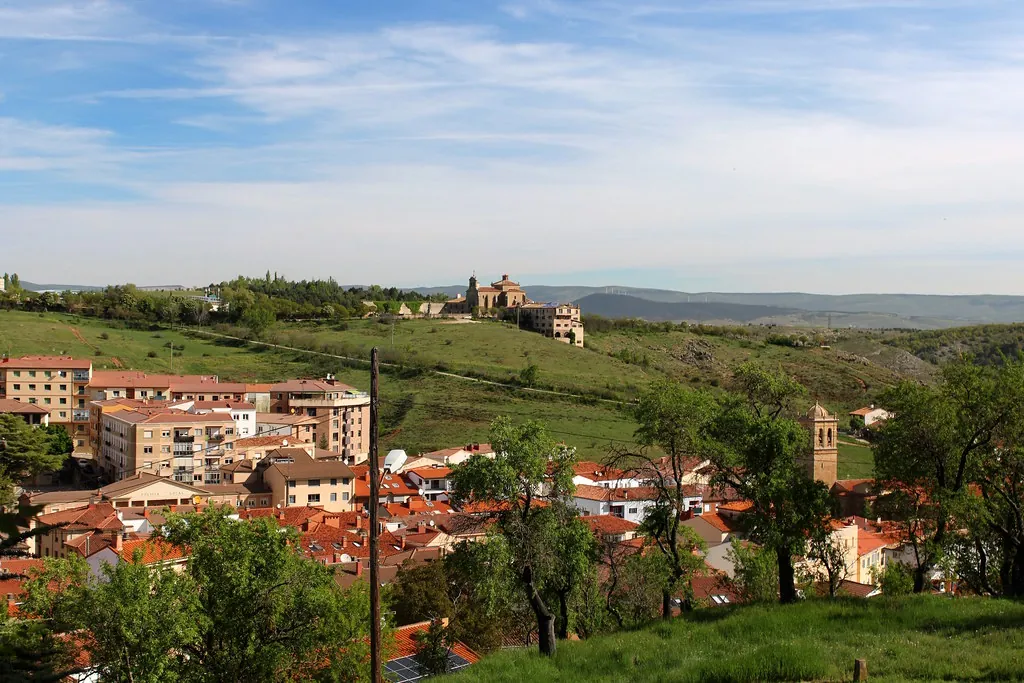
The church bell strikes eleven and the only other sound is wheat rustling in the breeze. Villaverde Mogina doesn't do noise. It does space, lots of it, spreading out across the Castilian plateau in every direction until the horizon blurs into a heat haze.
This is Spain stripped of every cliché you've ever seen on a tourism poster. No flamenco, no tapas bars spilling onto plazas, no souvenir shops. Instead, stone houses bake quietly under the sun while storks circle overhead, and the local bar opens when the owner feels like it—which might be today, or might not be until tomorrow.
What passes for a centre
The village formed when two medieval settlements merged, though you'd be hard-pressed to spot the join. Everything radiates from the parish church, a solid granite block that has watched over this landscape since the 16th century. Its tower serves as the local landmark because, frankly, there's nothing taller for miles around. Step inside and you'll find the temperature drops ten degrees—clever design, not air conditioning. The interior is plain compared to Burgos cathedral's baroque excesses forty kilometres north, but the simplicity feels right here.
Wander the handful of streets and you'll notice something odd: many houses have small wooden doors at ground level, barely a metre high. These lead to the bodegas, underground cellars where families once stored wine made from their own vines. The wine culture has faded—too much work for too little return, the older residents shrug—but the cellars remain, some converted into storage, others simply sealed up. Peer through the gaps and you might spot dusty bottles or farming tools abandoned decades ago.
The architecture won't win heritage awards, and that's precisely the point. Adobe walls bulge and sag, stone facades carry layers of repairs in different shades, and corrugated iron patches replace missing roof tiles. It's authentic rather than pretty, a working village that happens to have visitors rather than a tourist destination pretending to be authentic.
Lunch is wherever you find it
Don't expect restaurants here. The single bar serves coffee and beer, plus tortilla if you're lucky, but closes by mid-afternoon. For anything more substantial, drive ten minutes to Miranda de Ebro where Asador El Hórreo does magnificent lechazo—milk-fed lamb roasted in a wood-fired oven until the skin crackles like pork crackling. Budget €25 for a filling lunch with wine.
Back in Villaverde Mogina, food shopping means the tiny provisions shop on Calle Real. It stocks local cheese from a dairy twenty kilometres away, morcilla de Burgos that puts British black pudding to shame, and bread delivered fresh each morning. The owner, María Jesús, will happily explain how to cook the local chickpeas—essentially soak them overnight then simmer for hours with bay leaf and morcilla until they collapse into starchy deliciousness.
Walking where the land forgets to rise
The landscape surrounding the village defines flatness. This is Spain's central plateau, the Meseta, where continental weather systems meet and battle. Spring brings emerald wheat fields rippling like the sea, while July turns everything golden-brown except where irrigation pivots create perfect green circles. Autumn paints the stubble fields ochre, and winter strips the land to bare soil under enormous skies.
Walking options suit all energies. A gentle thirty-minute circuit heads south along the farm track to the abandoned railway line, where you'll find concrete platforms slowly being reclaimed by grass and wildflowers. More ambitious walkers can follow the GR-99 long-distance path which passes nearby, linking Burgos with Santiago de Compostela. The section to Tardajos takes three hours across open farmland, with only larks for company and the occasional tractor raising dust clouds in the distance.
Cyclists appreciate the lack of hills—this is perfect territory for leisurely rides between villages. The road to Burgos carries minimal traffic, and the wide shoulder feels safe enough. Pack plenty of water; shade exists only where clouds deign to provide it.
When the village remembers how to party
Visit outside July and August and you'd swear half the houses stand empty. Many locals work in Burgos or Bilbao, returning only for weekends or holidays. But arrive during the fiestas patronales—usually the second weekend of August—and everything changes. Suddenly cars line the streets, music drifts from gardens, and the population quadruples overnight.
The celebrations mix religious procession with street party. Saturday evening sees residents carrying the Virgin around the village streets, preceded by a brass band playing traditional pasodobles. What follows is essentially a giant family reunion where everyone seems related, or at least knows everyone else's business. Outsiders are welcome but expect curious glances; this isn't tourism, it's homecoming.
Evening entertainment centres on the makeshift bar in the school playground. Beer costs €1.50, wine even less, and someone's grandmother serves pinchos from a trestle table. The younger generation heads to the disco marquee at midnight—essentially a large tent with speakers and cheap cocktails—while their parents sit outside houses chatting until dawn. Sunday brings a communal lunch in the sports field, roast lamb served on paper plates, followed by more music and dancing that continues until Tuesday's hangover finally kicks in.
Getting here, staying here, leaving here
Villaverde Mogina sits forty minutes' drive north of Burgos on the A-1 motorway, then ten minutes along the BU-522 local road. Public transport exists in theory—a twice-daily bus from Burgos—but timetables seem more aspirational than reliable. Rental cars prove essential unless you're content to stay put.
Accommodation means self-catering, full stop. Two houses offer holiday lets: Casa Rural El Pajar converts an old hay barn into surprisingly comfortable accommodation sleeping four, while smaller Casa La Era provides a studio flat for couples. Both cost around €60-80 nightly, including firewood for the inevitable cool evenings even in summer. Book through the village website or simply phone Miguel, who handles bookings when he's not farming.
Weather catches many visitors out. At 800 metres altitude, nights stay cool even when daytime temperatures soar past thirty degrees. Pack layers, and don't expect air conditioning—thick stone walls provide natural cooling instead. Winter visits bring crystal-clear skies but temperatures dropping to minus five; snow isn't uncommon but rarely settles long.
The nearest cash machine stands fifteen kilometres away in Miranda de Ebro, and the village shop doesn't accept cards. Bring euros, bring patience, and bring an appreciation for places where time moves at wheat-growing speed rather than Wi-Fi speed. Villaverde Mogina won't change your life, but it might remind you what quiet actually sounds like.