Full Article
about Zazuar
Ocultar artículo Leer artículo completo
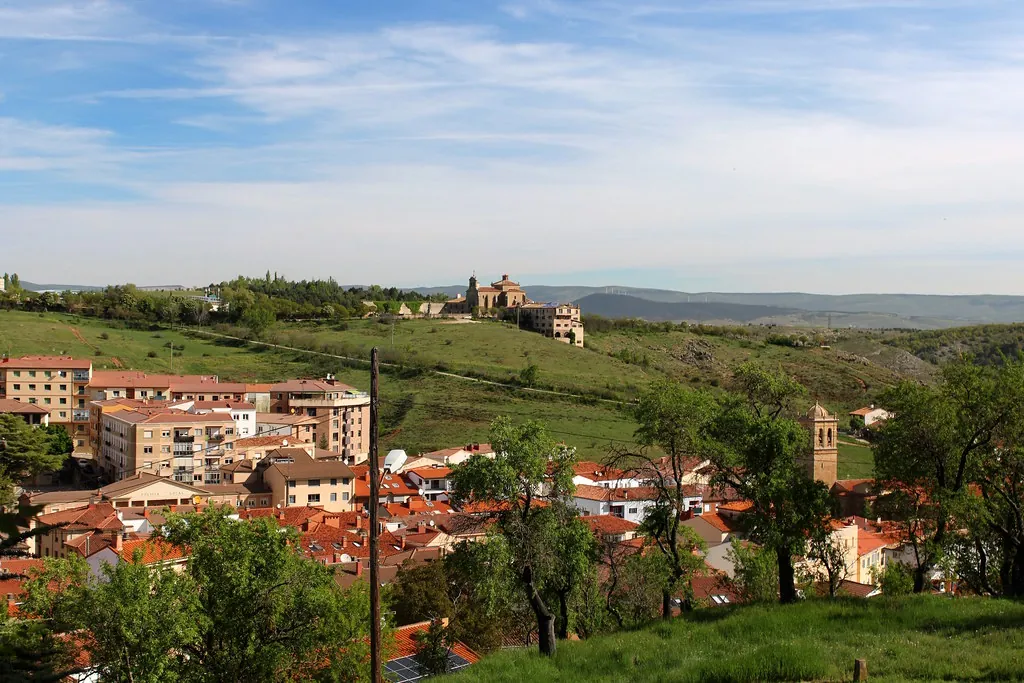
The wheat fields surrounding Zazuar stretch so flat and far that mobile phone masts become landmarks. Thirty kilometres north-east of Burgos, this village of 130 souls occupies a slight rise in the plateau—just enough elevation to let the church tower survey forty kilometres of cereal horizon. It is not dramatic country; it is patient country, and the village behaves accordingly.
The Arithmetic of Silence
Walk the single main street at 14:00 and you can count the sounds: a tractor idling outside the agricultural co-op, two elderly men discussing rainfall from a bench, the click of a gate as someone leaves bread on a neighbour’s step. No souvenir shops, no ice-cream parlour, not even a bar. The last grocery closed in 2018; the nearest loaf is now in Villagonzalo Pedernales, seven kilometres away. Visitors who arrive expecting rustic cafés learn quickly that self-catering is not optional here.
Stone-and-adobe houses remain occupied, but their ground-floor stables have been bricked up and the iron rings for tethering mules now support flowerpots. Plaster cracks are mended with whatever render came to hand—one façade mixes ochre, pink and cement grey like a Neapolitan wall. The effect is less picture-postcard than lived-in work clothes: functional, honest, slightly patched.
At the centre stands the fifteenth-century church of San Andrés, its Romanesque doorway salvaged after a nineteenth-century lightning fire. Inside, the altarpiece is provincial Baroque, gilded but peeling, and the air smells of paraffin rather than incense—electricity arrives only for Sunday mass. The key is kept by Don Elías, the sacristan, who lives opposite; knock loudly because his television is usually audible from the street.
Learning to Read the Plain
Zazuar’s real museum is the land itself. From late April the wheat turns from lime to emerald, then through butter-yellow to the baked gold that Cervantes called “the ocean of Castile”. There are no signed footpaths; instead, a grid of farm tracks links threshing floors and abandoned shepherd huts. A useful rule: if the track is wider than a combine harvester, it leads somewhere; if it narrows to two wheel ruts, it stops at a field. Mobile coverage is excellent—this is antenna country—so dropping a pin before setting out saves needless marches through barley.
Birdlife rewards the plodder. Calandra larks rise in song flights, black-winged stilts pick through drainage ditches, and in late July flocks of European rollers sit on the power lines like turquoise Christmas decorations. Bring binoculars and water; shade is restricted to the four rows of poplars planted as a windbreak around the cemetery.
The village’s altitude—860 m—means nights stay cool even in August, when midday touches 34 °C. Frost can arrive in October and linger until late April; winter mornings drop to –8 °C and the wind, unhindered from the Cantabrian cordillera, carries enough bite to make a British February feel benign. Accommodation is therefore all about heating. The three village houses registered as holiday lets have wood-burning stoves plus portable gas heaters; confirm that firewood is included or you will be negotiating with a farmer in pidgin Spanish at dusk.
Eating What the Fields Remember
There is no restaurant, but the agricultural cooperative sells lentils and chickpeas grown on the surrounding land—500 g bags cost €2 and come with cooking instructions handwritten by the president’s wife. Pair them with chorizo from the Saturday market in Burgos (30 min drive) and you have the regional stew that sustained peasants here for centuries. Cheese lovers should track down Queso de Burgos, a fresh ewe’s milk variety that sours within five days; buy it on the morning you plan to eat it.
Wine drinkers face a dilemma. The province’s Ribera del Duero reds start at €9 in supermarkets, but locals still prefer the old roadside blend sold in five-litre plastic jugs for €12. It tastes like alcoholic hedgerow—rough, honest, and surprisingly effective after a windy hike. Pack a corkscrew; even the co-op doesn’t stock them.
If you crave a proper menu, drive 20 minutes to the N-1 truck stop at Hortigüela. Their €12 menú del día delivers lechazo (milk-fed lamb) roasted in a wood oven so fiercely that the meat is edged with caramelised parchment. Brits who balk at eating baby animals will find tortilla española the size of a wagon wheel and reliable grilled hake.
When the Village Remembers Itself
Zazuar’s population triples during the fiestas of San Andrés, the last weekend of August. Returning emigrants pitch tents in vegetable plots, string fairy lights between houses and set up a single sound system in the square. Events start with mass, proceed to a foam party for toddlers, and climax with a disco that lasts until the Guardia Civil turn up at 04:00 to enforce noise regulations. Visitors are welcome but beds vanish months ahead; if you dislike sharing your patio with someone’s second cousin from Bilbao, book elsewhere or join the all-night dancing.
The other date that matters is 15 May, day of San Isidro Labrador. A tractor procession—twelve green John Deeres polished like museum pieces—drives to the fields for a priest to bless the coming harvest. Tourist infrastructure is zero: no seating, no printed programme, no translation. Stand at the edge of the wheat, remove your hat when the rosary starts, and someone will probably hand you a plastic cup of anís.
Getting There, Getting Out
No train comes closer than Burgos-Rosa de Lima station, 28 km away. From there a pre-booked taxi costs €35; alternatively, hire a car—the Hertz desk in the station keeps odd hours, so reserve online. Roads are empty but watch for wandering grain lorries that scatter chaff like confetti. In winter fog the A-1 dual carriageway can close without warning; carry a blanket and enough fuel to idle the heater.
The village makes no attempt to seduce. It offers instead the rare sensation of calendar time measured by sowing and harvest, of human habitation at the minimum viable scale. Some visitors last two hours, snap the church, and bolt for the medieval glories of Burgos. Others stay a week, learn to recognise the sacristan’s dog, and depart convinced that civilisation is wildly overrated. The wheat neither knows nor cares; it will be here long after the last British number plate has disappeared towards the motorway, and Zazuar will still be listening to the wind count the grains.