Full Article
about Amusco
A town with a notable Jewish past; its standout features are the massive church known as El Pajarón de Campos and the region’s only underground synagogue.
Hide article Read full article
Amusco and the Fields That Get There First
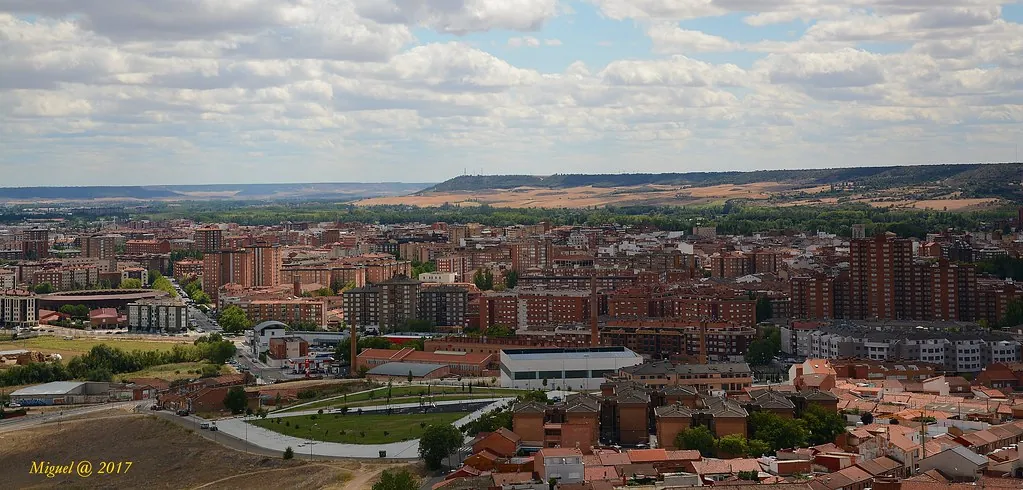
You know how most places put their best face forward? A nice sign, a tidy park, something to greet you. Amusco doesn’t bother with that. You’re driving through the endless cereal fields of Tierra de Campos for a good while before the village even decides to show up. The landscape is the main event here, and it makes sure you see it first.
This is a working village in Palencia, about fifteen minutes southeast of the capital. Around four hundred people live here. It doesn’t function as a tourist spot. It functions as a place where people live, which is precisely what makes it worth a stop if you’re crossing these plains.
A Church That Forgot the Village is Small
The Iglesia de San Pedro feels like it was built for a much bigger town. It’s a 16th-century construction over an older Romanesque site, and its tower pops up over the rooftops from several streets away. It has that solid, imposing look of a building that was important.
Getting inside requires some luck or local timing. It might be open at certain hours, or you might find someone with a key if you ask around patiently. Don’t count on it, but it’s possible. The rest of Amusco has no grand monuments to check off a list. This one church is enough.
Streets Built from Earth and Use
A walk through the center is short and tells a clear story. The streets are narrow, winding without much plan. The houses are made of adobe and brick—mud and clay from here, shaped by hands from here.
You won’t see perfect restoration. You’ll see old wooden doors that still work, iron window grilles with rust, walls patched up over generations. It looks lived-in because it is. This isn’t decoration; it’s architecture based on what was available and what was needed.
When You Run Out of Pavement
The real character of Amusco starts where the streets end. Tierra de Campos is famously flat. It’s just land and sky, with you in the middle.
The colour changes completely with the seasons: green in spring, gold in summer, reddish earth after harvest. The light out here is different, sharper when the sun cuts through fast-moving clouds. There aren't marked hiking trails, but there are plenty of tractor tracks and farm paths leading straight into the fields. They’re your best way to experience the scale of this place.
Keep your eyes open if you like birds. This cereal farmland habitat can attract species like the sisón or the aguilucho cenizo. You need patience and a bit of luck, but they’re out there.
What Comes from the Land Ends Up on the Table
The food follows logic: hearty, simple, from nearby sources. Pulses like lentils and chickpeas are staples. Roast lechazo, the milk-fed lamb of this region, is for special occasions.
In colder months, you taste the tradition of the matanza. That annual pig slaughter provided—and in many homes still provides—the embutidos, morcilla and chorizo that fill pantries for winter. The cooking isn't trying to be clever. It's trying to be sustaining.
The Week When Everyone Comes Back
The main fiestas usually happen in August. That's when you feel a shift. People who moved away return, tables get pushed together outside, and music fills the square at night.
These aren't staged events for visitors; they're family reunions for an extended community that happens to share this village as its anchor point. If you're around then, you're witnessing their party, not attending one put on for you.
Why You Actually Stop Here
Amusco works best as part of a slow drive through Tierra de Campos. Don't come for a packed itinerary or a polished old town. Come to stretch your legs beside San Pedro's tower. Come to walk a farm track until the village disappears behind you. Come to see how one of these plain-speaking villages actually lives. It won't try to impress you. And somehow, that becomes the point