Full Article
about Becilla de Valderaduey
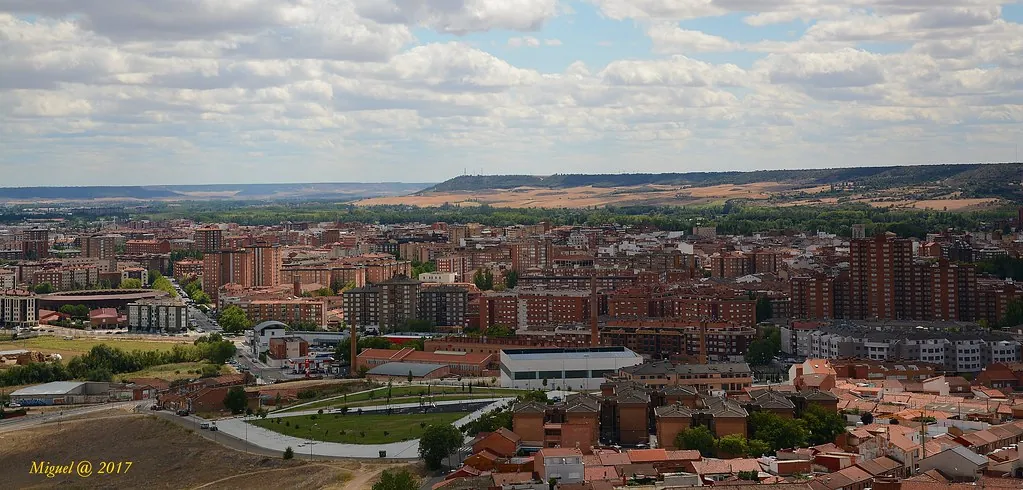
A town crossed by the Valderaduey River; it preserves a Roman bridge and typical Tierra de Campos architecture.
Ocultar artículo Leer artículo completo
The church bell strikes noon and the only reply is a lark somewhere above the barley. In Becilla de Valderaduey, population two hundred and change, the loudest thing for miles is the wind combing through cereal that rolls like a calm yellow sea to every horizon. Stand on the single paved road at 2 p.m. in July and the tarmac shimmers; stand there at 2 a.m. in January and the Milky Way feels close enough to snag on the weather vane. Altitude 730 m, almost no light pollution, and the nearest traffic lights are half an hour away—this is the Spain that guidebooks promise elsewhere but rarely deliver.
A Plains Village That Forgot to Shrink
Becilla sits on the southern lip of Tierra de Campos, the self-styled “breadbasket of Spain”. The Romans grew wheat here, the Visigoths grew wheat here, and the modern combine harvesters still crawl across enormous rectilinear fields from dawn to dusk in early July. There is no medieval quarter, no Renaissance palace, just solid farm houses of adobe and brick that turn the colour of biscuit in the summer sun. What the place does have is scale: skies you can read the weather in an hour before it arrives, and a silence so complete that your ears invent soft white noise to fill the gap.
Outsiders usually arrive by accident—drivers who took the old N-601 to avoid the Valladolid toll, or Camino pilgrims who mis-read the map and decided a ten-kilometre detour still counted as penance. They roll into the single plaza, park next to the stone cross that has listed slightly since 1789, and wonder what happens next. The answer, invariably, is “not much”, and that is the point.
River, Birds and the Art of Not Getting Lost
The Valderaduey River is barely a river at all—more a polite ribbon of water that manages not to disappear entirely in August. Follow the poplar line south-east for twenty minutes and you reach an old stone ford where cattle used to cross. Golden orioles nest here in late spring; on still evenings you can hear the male’s fluting whistle above the rustle of leaves. No footpath signs, no boardwalks, just tractor ruts and the occasional bleached plastic fertiliser sack snagged on a branch. Download the track before you set off—mobile signal vanishes every time the land dips.
Serious walkers sometimes link Becilla with the Camino de Santiago Francés at Villalón, a 19 km trudge across open plateau. There is no shade and the wind can sand-blast your shins, so start early, carry two litres of water, and do not trust Google’s estimated time: farm tracks turn to glue after rain and the detour adds an hour of scraping mud off boots.
Eating (and the Lack of It)
The village grocery opens 9–1, 5–7, closed Sunday and all of August. Bread arrives from a Medina bakery at 10 a.m.; if you want a baguette, be in the shop by 10:15 or the locals have snapped them up. The only bar doubles as the only restaurant: Mesón Buenavista, three tables inside, two on the pavement, menu scrawled on a paper napkin. They do three dishes well—sopa de ajo thickened with egg and ham, lechazo roasted until the skin crackles like parchment, and a queso de oveja that tastes of thyme and dry straw. Order before midday; the owner shops in Mayorga each morning and cooks exactly what she buys. A full lunch with house rosé runs about €18; cards often refused, so bring cash.
If you need alternatives, Medina de Rioseco is 15 minutes by car. Casa Santiago does a respectable cocido on Wednesdays; Pastelería Galiana sells feather-light churros on weekend mornings. Fill the tank before 9 p.m.—the nearest 24-hour station is on the Valladolid ring road, 55 km south.
Where to Sleep (All Twelve Beds)
Accommodation is the limiting factor. There are two options:
Casa Rural El Pajar, a converted hayloft on Calle Real. Two doubles, one bathroom, tiny kitchen, ceiling beams you will bang your head on if you are over six foot. €70 a night, two-night minimum, owner lives in Valladolid and meets you with keys—agree an arrival time and stick to it.
An upstairs room in the Mesón Buenavista. Basic but clean, shared bathroom, church bell every hour. €35 including coffee and churros. That is it. August fiestas book six months ahead; outside festival week you can usually ring the day before.
Camping is technically legal on public land outside the cereal cycle (October–February) but there is no water source and the farmer starts sowing at sunrise—expect a tractor headlights wake-up call.
Weather Truths
Winters are sharp. Night temperatures drop below zero most of December and January; the wind straight from the Meseta can make a 5 °C afternoon feel like minus five. Snow is rare but fog is common—drive slowly, irrigation channels appear without warning. Spring brings sudden storms; the fields green overnight and the air smells of wet earth and young wheat. July and August bake. By three in the afternoon the tarmac is soft, dogs crawl under cars, sensible humans siesta. Autumn is the sweet spot: harvest stubble turns the plain bronze, storks gather on electricity pylons, and the light goes honey-coloured for photographers who do not mind a 6 a.m. start.
A Festival That Shakes the Windows
Every 15 May the village honours San Isidro Labrador with a procession, brass band, and fireworks that start at midnight and finish sometime after you have stuffed tissue in your ears. The population swells to maybe a thousand; locals return from Valladolid with folding chairs and cool boxes. It is loud, generous, and impossible to sleep through. If you crave silence, book elsewhere for that weekend; if you want to see a Castilian plaza heave with dancing toddlers and octogenarians in equal measure, arrive before noon, bring earplugs, and accept the plastic cup of wine that is pressed into your hand.
Getting Here Without Tears
Ryanair flies Stansted–Valladolid twice a week March–October. Hire a car at the airport, take the A-62 north for ten minutes, then the N-601 towards León. Ignore the SatNav shortcut—unpaved farm roads will scrape the underside of a standard hatchback. Journey time 55 minutes, mostly empty dual carriageway. Outside those flight days, fly to Madrid, AVE train to Valladolid-Campo Grande (1 h 10), collect car, same drive. Buses from Valladolid to Becilla exist but follow school hours; miss the 2 p.m. return and you are stranded until next morning.
Leave the Postcard at Home
Becilla will not suit everyone. There are no gift shops, no sunset boat trips, no craft beer. Phone coverage is patchy, English is unheard, and the single cash machine in the bar has been broken since Easter. What you get instead is space, sincerity, and a front-row seat to one of Europe’s emptiest landscapes. Come with sturdy shoes, a phrase book, and a tolerance for silence, and the village gives back something increasingly scarce: the feeling that the world is still wide, slow, and possible to grasp in a single glance.