Full Article
about Bustillo del Páramo de Carrión
Small village on the León-Palencia plain; noted for its elevation and sweeping views of the district; complete quiet.
Hide article Read full article
Bustillo del Páramo de Carrión: un pueblo en la llanura
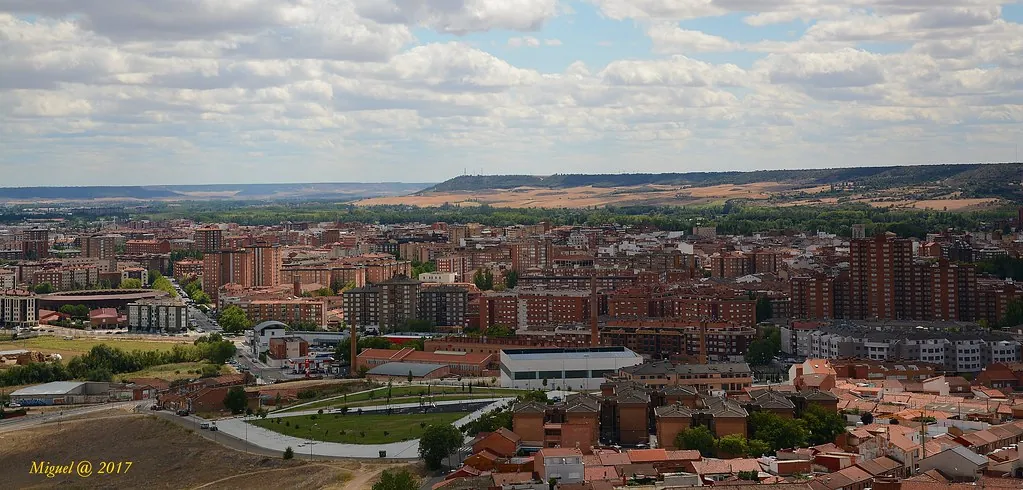
Bustillo del Páramo de Carrión se encuentra en la llanura cerealista de Tierra de Campos, en la provincia de Palencia. Su población ronda los cincuenta habitantes. El pueblo ocupa una zona alta y despejada, a unos 850 metros sobre el nivel del mar. En este paisaje, la horizontalidad lo determina casi todo: el trabajo, la arquitectura, la distancia entre pueblos. La referencia no son montañas ni ríos, sino el horizonte mismo.
La vida transcurre en un escenario donde las distancias se perciben más largas y el cielo ocupa una parte considerable de lo que se ve. Esta exposición al espacio abierto define la tranquilidad del lugar y también su ritmo.
Un paisaje de cereal y luz
Alrededor de Bustillo, el terreno es prácticamente llano. Los campos de cereal marcan el tempo del año agrícola: verde intenso en primavera, oro en verano, tonos terrosos tras la cosecha. En días muy claros, hacia el norte, a veces se distingue la silueta lejana de la Montaña Palentina. Pero el protagonista es el propio páramo.
Aquí persiste una fauna propia de los secanos castellanos. Con paciencia, se pueden observar aves rapaces como los aguiluchos, volando bajo sobre los cultivos. En ciertas épocas, especies esteparias como sisones o avutardas aparecen en los rastrojos. No hay miradores ni puntos señalizados para la observación; depende de caminar con calma por los carriles agrícolas y detenerse a mirar.
El silencio forma parte del entorno. No es absoluto, pero es lo suficientemente constante como para que resalten sonidos menores: el viento en los rastrojos secos, el reclamo lejano de un ave, el rumor tenue de maquinaria agrícola a lo lejos.
La iglesia y la estructura del pueblo
Bustillo no tiene monumentos grandes o elaborados, algo habitual en los pequeños pueblos de Tierra de Campos. Su referencia principal es la iglesia parroquial de San Andrés. Es un edificio sencillo, construido con los materiales de la zona: piedra en los puntos más sólidos y materiales terreros en otros. Su espadaña se eleva por encima de los tejados y se ve desde bastante distancia en la llanura.
El interior es modesto. Conserva algunos elementos del retablo y reformas de distintas épocas, probablemente de los siglos XVII o XVIII. Su importancia reside menos en su tamaño o decoración y más en su papel dentro del pueblo. Durante siglos, fue lugar de reunión y referente visual en un territorio donde todo lo demás se abre al campo.
El trazado de Bustillo refleja esta relación entre lo construido y el espacio abierto. Las calles son simples y funcionales, respondiendo a necesidades cotidianas más que a un plan formal. El pueblo resulta compacto, con la llanura siempre al alcance.
Arquitectura de tierra y espacios de trabajo
Pasear por sus calles permite entender los modos constructivos tradicionales de esta parte de Palencia. Muchas casas están hechas con tapial o adobe, técnicas basadas en tierra compactada que aíslan bien del frío invernal y del calor estival. Los muros suelen ser gruesos y las fachadas, por lo general, son sobrias.
En algunas viviendas aún se ven portones grandes. Daban acceso a patios interiores o corrales, espacios para guardar herramientas, grano o ganado. En un pueblo de este tamaño, la vida doméstica y la agrícola estuvieron muy unidas, y esa conexión sigue siendo visible en la disposición de las casas y sus zonas de trabajo.
Esta arquitectura es práctica y está ligada a las condiciones locales. Los materiales se obtenían cerca, y la construcción respondía directamente al clima y al uso. Incluso donde los edificios se han reformado, la lógica original de esas decisiones aún se lee en las calles.
Carriles por el páramo
Varios carriles agrícolas salen del pueblo hacia el páramo circundante. No son rutas señalizadas, sino caminos de labor con mucho uso. Caminar por ellos ofrece una forma directa de entender el paisaje de Tierra de Campos: parcelas grandes de cultivo, muy pocos árboles y una sensación de continuidad que se extiende por la llanura.
En algunos puntos aparecen depresiones poco profundas en el terreno. Tras periodos de lluvia, pueden acumular agua y formar lagunas temporales. No son permanentes; a veces están completamente secas. Cuando hay agua, atraen aves y cambian la percepción del entorno, añadiendo reflejos y manchas de luz a un paisaje uniforme.
La ausencia de infraestructura para el visitante es notable. No hay senderos señalizados ni equipamientos, por lo que explorar la zona consiste en seguir los mismos caminos que se usan para el trabajo agrícola. La experiencia viene determinada por esa sencillez.
Cómo visitar Bustillo del Páramo
Bustillo del Páramo de Carrión es una localidad muy pequeña y con servicios limitados. Es recomendable ir en coche y planificar con antelación las compras o las comidas en localidades mayores cercanas, como Carrión de los Condes.
El pueblo se recorre en poco tiempo. Lo que más suele llamar la atención está más allá de sus calles: los carriles por el páramo, la arquitectura de tierra y cómo el paisaje agrícola sigue organizando la vida cotidiana. No hay una capa añadida de presentación turística. Lo que se encuentra es una pieza reconocible de la Tierra de Campos palentina, definida por la apertura, la continuidad y la presencia tranquila del horizonte.