Full Article
about Cabezón de Valderaduey
Small town on the Valderaduey plain; noted for its classical church and open cereal-field landscape.
Ocultar artículo Leer artículo completo
The wind hits first. It sweeps across the Meseta, Spain's central plateau, gathering speed until it reaches Cabezón de Valderaduey with nothing to slow it down. No hills, no forests, just seventy kilometres of open cereal fields between here and Valladolid. Standing on the village's single main street, you understand why medieval builders oriented houses to present the smallest possible face to the elements.
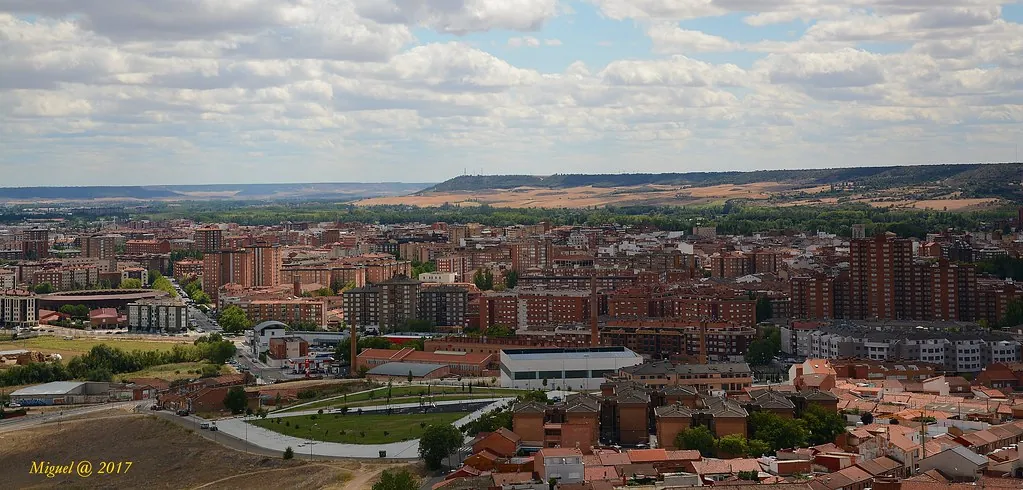
This is Tierra de Campos proper—literally 'Land of Fields'—where the horizon stretches so flat that locals claim they can watch their dog run away for three days. The landscape delivers on the promise. Golden wheat stubble in late summer gives way to deep green shoots in spring, then burns to pale yellow under the intense Castilian sun. It's agricultural theatre on an epic scale, performed for an audience that rarely tops five hundred souls.
The Architecture of Survival
Adobe walls two feet thick weren't built for aesthetics. They're thermal regulators, absorbing cool night air and releasing it during scorching afternoons when temperatures regularly exceed forty degrees. The village's handful of remaining examples show their age gracefully—walls bulging like well-fed bellies, corners rounded by centuries of wind-blown grit. Brick came later, but always the same logic: keep cool, keep warm, keep standing.
The sixteenth-century church of San Pedro stands solid rather than spectacular, its squat tower designed less for heavenly aspiration than for withstanding the region's brutal weather systems. Inside, the air temperature drops ten degrees immediately. Medieval frescoes survive in patches where moisture hasn't claimed them, painted by artists whose names vanished with the workshop traditions that created them. The wooden roof beams, blackened by centuries of candle smoke, still carry carpenters' marks visible if you arrive when the caretaker unlocks doors for Saturday evening mass.
Bodegas subterráneas—underground wine cellars—dot the surrounding fields like inverted molehills. Half-collapsed now, their entrances disappear into thistles and scrub, testament to a time when every family made their own wine from Valdepeñas grapes transported north on mule trains. The temperature down there remains constant year-round: twelve degrees, perfect for storing wine, cheese, or simply escaping August heat that makes metal door handles too hot to touch.
The Tyranny of Flatness
Walking here requires recalibration. British footpaths follow contours, hedge lines, stream beds. In Cabezón, tracks strike across open country in straight lines, connecting villages ten kilometres apart with the geometric precision of Roman roads. The absence of landmarks distorts distance perception—what appears a twenty-minute stroll takes an hour, the destination never seeming to grow larger as you approach.
Cycling makes more sense, though bring puncture repair kits. Agricultural machinery leaves behind a carpet of thorns that laugh at standard touring tyres. Mountain bikes cope better with the rough tracks, but don't expect technical challenges. The terrain offers kilometres of flat riding where headwinds become your main opponent, sometimes blowing hard enough to stop you dead despite frantic pedalling.
Birdwatchers arrive with specific targets: great bustards stalking through winter wheat, little bustards performing mating displays in spring, pin-tailed sandgrouse banking overhead like military aircraft. Success requires patience and binoculars. These species exist in internationally important numbers across Tierra de Campos, but densities remain low. Dawn and dusk provide best chances, when thermals haven't developed and birds stay active.
The Gastronomic Void
Let's be honest: don't arrive hungry. Cabezón contains no restaurants, bars, or shops selling anything beyond basic tinned goods. The last proper eatery closed when its owner retired in 2018, leaving villagers dependent on weekly supermarket runs to Mayorga, twenty-five kilometres distant. This isn't oversight—it's economics. Population density can't sustain commercial catering, and locals cook properly at home.
Planning becomes essential. Stock up in Valladolid before driving out, or book tables in neighbouring towns. Medina de Rioseco offers proper dining at half the price of tourist Spain: roast suckling lamb for €18, chickpea stews thick enough to stand a spoon in, wine from local cooperatives costing €2.50 per bottle. The fifteen-minute drive rewards handsomely, though designated drivers miss out on Valdepeñas reds that complement the region's salty sheep's cheese perfectly.
Self-catering visitors discover another truth: water tastes metallic here. The aquifer lies deep below limestone, picking up minerals that Britons find unsettling. Bring bottled water for drinking, or invest in a proper filter. Tea made from tap water emerges with an unfortunate brown tinge that even the strongest Yorkshire brew can't mask.
When the Village Returns to Life
August transforms everything. Former residents return from Madrid, Barcelona, even London, swelling numbers to maybe two thousand. The plaza fills with children speaking perfect Spanish peppered with English slang, while grandparents preside over extended family meals that last six hours. The annual fiesta proper runs three days: bull-running in makeshift barriers, processions carrying the Virgin through streets lined with plastic chairs, midnight fireworks that echo across the plain like artillery practice.
September brings harvest, when combines work twenty-hour days creating dust clouds visible from space. The village briefly bustles with agricultural contractors, grain lorries thundering through streets too narrow for them, temporary workers filling every available room. Then October arrives, migrants depart, and Cabezón settles back into its default setting: quiet, windblown, half-empty but never quite abandoned.
Winter hits hard. Continental climate means clear skies and bitter cold; minus fifteen isn't unusual. Houses built for summer heat become refrigerators, their thick walls now working against comfort. Heating costs fortunes—most residents use butane bottles supplemented by olive prunings burned in modified fireplaces. Snow arrives rarely but dramatically, lying pristine across fields because traffic remains too light to turn it slushy grey.
Getting There, Getting Away
Ryanair flies Valladolid from London Stansted twice weekly, though timing rarely convenient. More realistic: Madrid, then AVE train to Valladolid in ninety minutes, collecting a hire car for the final seventy kilometres. The drive reveals Spain's split personality: motorway madness giving way to empty roads where you might pass three vehicles in half an hour.
Accommodation means renting village houses from departing families. €40-60 per night secures three bedrooms, proper kitchens, courtyards where you can sit watching swifts hunt insects at dusk. Book through local agents—the village maintains no tourist office, understandably given visitor numbers remain countable on two hands most weeks.
Leave before Sunday afternoon if driving. The A6 back to Madrid fills with weekenders returning to capital city jobs, creating queues that turn ninety-minute journeys into three-hour crawls. Better still, stay Monday morning, when Cabezón returns to its natural state: wind, wheat, and enough silence to hear your own thoughts echoing across Europe's most empty quarter.