Full Article
about Castrillo de Villavega
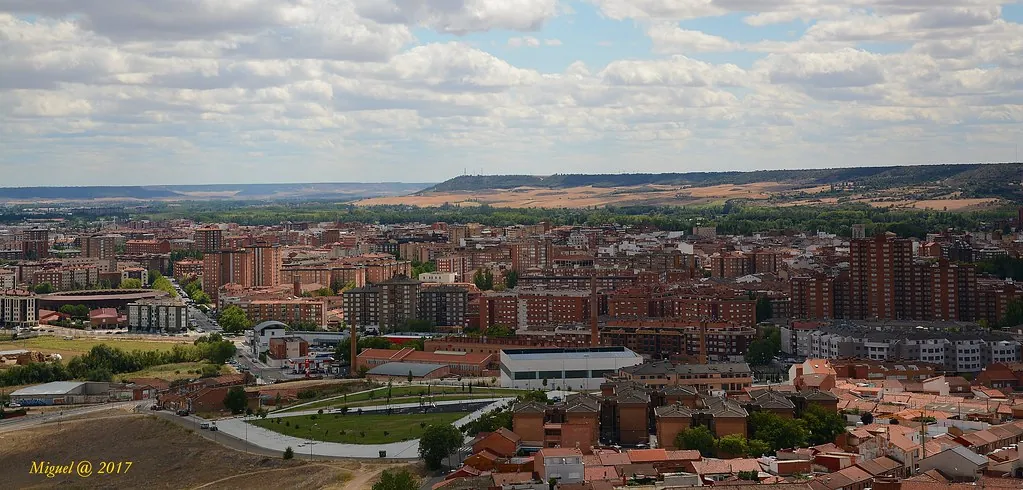
Set on the Valdavia river plain; noted for its castle ruins and bridge over the river; pleasant setting.
Ocultar artículo Leer artículo completo
The church bell strikes eleven and the only other sound is wheat rustling across 360 degrees of horizon. At 850 metres above sea level, Castrillo de Villavega is less a village than a small granite island in an ocean of grain. Stand on the crumbling castle mound, El Mulatero, and you can watch weather systems approach twenty minutes before they hit—first a dark smudge over Valladolid province, then the smell of rain on dry earth, finally the drumming on corrugated-iron roofs that passes for municipal percussion here.
One hundred and seventy-two residents, one bar-grocery, one church, no cash machine. Mobile signal flickers in and out like a lazy lighthouse. This is Spain stripped back to the studs: adobe walls the colour of biscuit, storks clattering on every chimney pot, and conversations conducted across the street because doorways are cooler than sitting rooms. British visitors tend to arrive by accident—usually en route somewhere else—then find themselves still wandering the single-track lanes at dusk, calculating whether the rental will survive the medieval gateway arch (it won’t; park by the church and walk).
A Castle You Can Fall Off, If You Fancy
The castillo isn’t advertised, ticketed or fenced. A hand-painted board reading “Prohibido el Paso” leans against a hawthorn, but the thorn is the only real barrier. Climb the earth ramp—boots recommended, dignity optional—and you’re on a motte barely wider than a London bus. Stone footings outline a keep that once belonged to the Knights Templar; now it belongs to whoever brings a sandwich and a sense of balance. Sunset here is textbook photography: wheat turns bronze, the stone glows like embers, and the only photobomb risk is a flock of sheep being herded home along the cart track below.
Down in the village, houses are built from the ground they stand on—tapial earth walls two metres thick, whitewash blinking in the sun. Timber gates hang on hand-forged hinges; many still open into cobbled courtyards where a donkey once slept. Some properties are immaculate, geraniums in oil drums. Others sag gently, roofs patched with beer-can flashing. It’s lived-in, not museumified, which means nobody minds if you stand and stare, though they will stare back. One couple from Norwich reported being followed at a polite distance by a teenage boy on a moped—“our own private security detail”.
Walking the Grid
The Tierra de Campos plateau looks flat until you start walking. Field lanes run ruler-straight for kilometres, then kink abruptly round a threshing circle or a solitary stone cross. Distances deceive: a fifteen-minute drive on the map equals a two-hour yomp across flinty soil that shreds trainers. Carry water—there’s no café in any direction until Villada, 12 km south. The reward is silence so complete you can hear your heart beat, interrupted only by the cough of a corn bunting or the soft thud of a rabbit diving for cover.
Spring brings colour: red poppies stitched through green wheat like a Turner watercolour. By July the palette shifts to gold and umber; combine harvesters crawl like orange beetles, churning chaff that drifts across the road like coarse snow. Autumn is brown, winter is brown-er, but the sky grows bigger to compensate. On clear nights the Milky Way feels close enough to snag on the church tower; download a star app before you come because explanations in Spanish are tricky when you don’t know your own constellation names.
Calories and Cash
Food is agricultural in both origin and portion size. The Bar-Shop La Plaza (look for the Coca-Cola sign older than most customers) serves lechazo—milk-fed lamb slow-roasted in a wood oven until the skin crackles like burnt parchment. A media ración feeds two hungry walkers and costs around €14. Sopa castellana, thick with garlic, paprika and yesterday’s bread, is the local answer to minestrone and arrives in bowls the size of helmets. Vegetarians get eggs—usually scrambled with chorizo whether they ask or not—plus tomato salad that tastes of actual sunshine because it was growing forty metres away yesterday.
Paying requires planning. The nearest ATM is in Villada; the bar takes cards but the terminal relies on a 3G signal that expires whenever the wind blows from León. Bring cash, preferably in small notes—the owner’s float lives in an Oxo tin and change for fifty euros involves a trek to her sister’s house. Sundays everything shuts; if you arrive on the Lord’s day, bring sandwiches and a repentant heart.
Seasonal Realities
April and May are sweet spots: daytime 22 °C, nights cool enough for sleep, wheat knee-high and fluorescent. June to August is hot—35 °C by noon—so walk at dawn or risk becoming part of the soil crust. September means harvest dust and combine traffic; October is empty skies and the smell of stubble burning. Winter is seriously cold—night temperatures drop to –8 °C—and the altitude can trap fog for days. The castle mound becomes a refrigerator; visit only if you enjoy horizontal sleet. Roads are gritted sporadically, so a 45-minute run to the A-67 can take two hours after snow. Check Palencia province weather, not Madrid; they’re different planets.
Making It Work
Base yourself here only if you like your silence total and your nightlife stellar. Otherwise slot Castrillo between bigger stops: leave Santander after breakfast, potter south on the A-67, linger for lunch and a castle scramble, then push on to Palencia or Zamora before dark. Accommodation within the village is limited to one casa rural (three doubles, shared kitchen, €70 a night). Book ahead in August when the annual fiesta packs the square with returning emigrants and every cousin within a hundred-kilometre radius.
Fill the tank before you leave the motorway—once you’re on the CL-613 services are mythical. Download offline maps; Google’s cartographer clearly got bored halfway and inserted farm tracks that dissolve into irrigation ditches. Finally, learn at least one Spanish sentence beyond “una cerveza, por favour”. Something like “¿Puedo aparcar aquí?” will save you from the polite but firm farmer who appears from nowhere when you block his gateway.
Castrillo de Villavega offers no souvenirs beyond the memory of wheat rippling like water and the realisation that Spain still contains places where the loudest noise at 10 p.m. is a dog barking three kilometres away. Turn up with realistic expectations—bring water, cash, and a windproof jacket—and the village will repay you with the rarest commodity of all: absolute, horizon-wide quiet. Just don’t expect a postcard; you’ll have to print your own.