Full Article
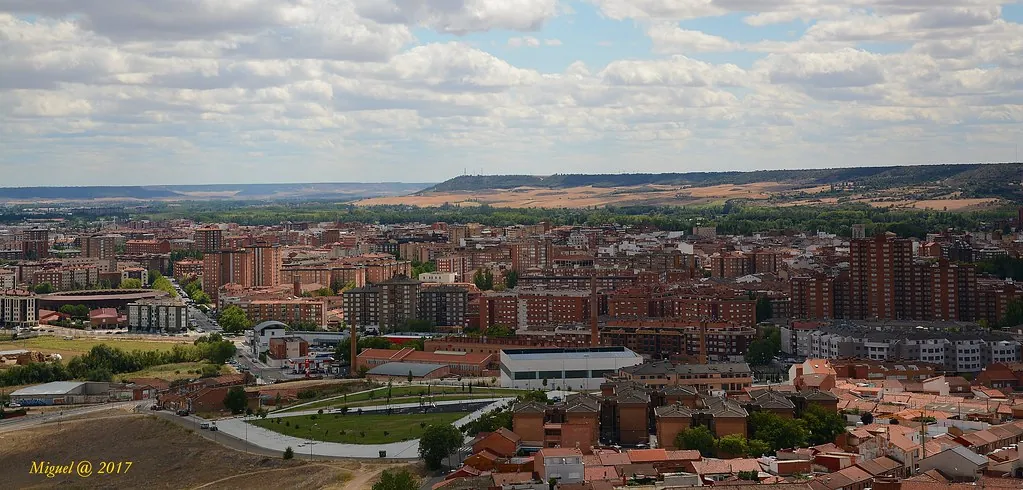
about Granja de Moreruela
Famous for the ruins of the Monasterio de Santa María de Moreruela, a key Cistercian site in Spain and a place of striking Romanesque beauty.
Ocultar artículo Leer artículo completo
The first thing you notice is the altitude: 700 m on the flat-roofed meseta yet the horizon still feels above you. Stand beside the ruined apse of Monasterio de Santa María and the wind carries the smell of straw from fields that stretch, ruler-straight, to a distant blur of poplars. No gift shop, no turnstile, just a low stone wall you hop over in trainers. Inside, swallows nest in the hollowed tracery of what was once the earliest Cistercian house in Iberia.
Getting there (and why most people don’t)
Granja de Moreruela sits 55 km north of Zamora, forty-five minutes by hire car along the A-6 and then a dog-leg through sunflower plots. RENFE will drop you at Zamora station; after that you’re in the hands of the Monday-to-Friday bus that wheezes as far as the neighbouring village of Santa Cristina, still 7 km short. Taxis are scarce on weekends—book ahead or be prepared to thumb a lift from a farmer. The upside is silence: even on the Camino Sanabrés, where credencial stamps are currency, only one in five pilgrims bothers with the 4-km detour. Mid-afternoon in October you can have the entire nave to yourself and whatever cattle have wandered through the missing west door.
What actually remains (and how to read it)
The monastery is not a tidy English Heritage job. Limestone walls stop abruptly, staircases spill into thin air, and the cloister is more negative space than arcade. Bring a print-out ground plan (the Zamora tourist office will oblige) or download the free PDF before you leave London—on-site interpretation is limited to two weather-beaten panels in Spanish. Start at the north transept: the central apse, flanked by two smaller absidioles, still carries its original twelfth-century corbel table, each stone miniature a cabbage or lion depending on who you ask. Be there before ten and the east light turns the masonry the colour of burnt cream; by noon the stone is bleached white and photography flat. Allow ninety minutes if you like poking around; thirty if you’re the “tick it off” type.
Back in the village—three streets, population 228—the parish church of San Miguel is open only for Saturday-evening Mass. Its interest is chiefly anthropological: baroque retablo gilded with farm-workers’ donations, pews polished by sixty years of elbows. Knock at the presbytery house and the sacristan will usually shuffle over with a key.
Walking without mountains
This is meseta country, not the Picos. Elevation gain is measured in single metres, yet the sheer scale of the sky can disorientate. A web of farm tracks radiates from the grain silo; follow the one signed “Laguna de la Mata” and after 3 km you reach a seasonal marsh where stilts and black-winged stilts argue over tadpoles. Spring brings bustards—ungainly birds that look like committee-designed turkeys—while autumn skies host hen harriers quartering the stubble. There are no way-marked loops, so a GPS app is worth its weight in bottled water. Take two litres: shade is provided mainly by the occasional concrete transformer hut.
Food, cash and other practicalities
Granja’s four bars operate on tractor-driver hours. Bar Camino does a three-course menú del día for €11 (£9.50) featuring decent grilled pork, chipped potatoes and a plastic dish of arroz con leche. They close the kitchen at 15:30 sharp; arrive late and you’ll get crisps and a glare. There is no ATM—plastic is treated with suspicion—so bring euros. Basic supplies can be picked up in Zamora’s Mercadona before you set out; the village shop closed in 2018. If you fancy a bottle of local Tierra del Vino red to sip beside the ruins, buy it beforehand—off-licences don’t exist here.
Winter versus summer
In July the wheat is stubble and the thermometer nudges 36 °C by 14:00; the monastery’s stones radiate heat like storage radiators. Morning visits are essential, and even then you’ll share the shade with lizards. January is a different story: horizontal sleet, a wind that could sand varnish off furniture, and the likelihood of finding the site gate locked with no explanatory notice. The ruin sits on a slight rise, fully exposed; gloves and a buff are non-negotiable. Spring (mid-April to late-May) gives green wheat and flocks of calandra larks. September offers golden stubble and the village fiesta: paella cooked in a tractor tyre, brass band, and a Saturday-night disco that finishes at a civilised 01:00 because the DJ has harvesting in the morning.
Where to sleep (and why you might not)
The municipal albergue has 16 beds, €8 pp, clean showers and a kitchen with two working hobs. Hospitaleros are volunteers and occasionally forget to turn up—ring the ayuntamiento the day before. Alternative: Casa Rural El Cister, three doubles in a converted grain store, €55 including breakfast (toast, olive oil, decent coffee). Benavente, 18 km east, has chain hotels if you need Wi-Fi that can handle Teams. Most visitors treat Granja as a lunchtime detour on the way to Galicia; staying overnight earns you a sunset over the abbey when the only sound is the squeak of a gate in the wind.
An honest verdict
Granja de Moreruela will never compete with Segovia’s aqueduct or Santiago’s cathedral. It offers, instead, a chance to stand inside history that hasn’t been tidied up for mass consumption. Come prepared—water, cash, print-out, sensible shoes—and the reward is an hour of absolute quiet in the footprint of monks who arrived eight centuries ago. Arrive expecting facilities, signage, or a flat white and you’ll drive away muttering within twenty minutes. The ruin doesn’t do crowd-pleasing; it simply endures, open to the sky and whatever weather the meseta throws at it.