Full Article
about Grijota
Growing municipality near Palencia; noted for its link to the Canal de Castilla and its golf course; a residential and leisure area.
Ocultar artículo Leer artículo completo
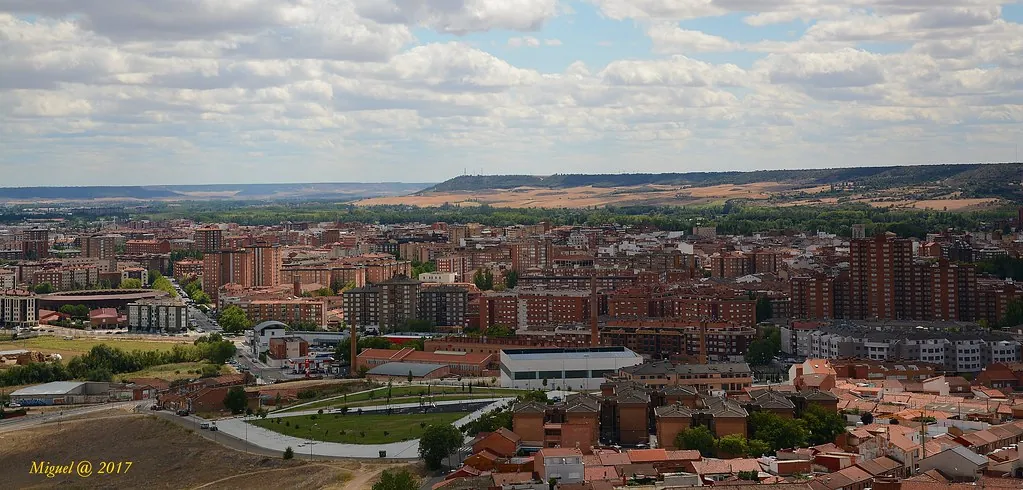
The church bells strike noon across an ocean of wheat. From Grijota's modest height—740 metres above sea level—the horizon stretches forty kilometres in every direction, broken only by the occasional concrete grain silo and the medieval tower of San Julián y Santa Basilisa. This is Spain's answer to East Anglia, only higher, drier, and without the hedgerows.
Ten kilometres south lies Palencia, close enough that many grijoteños commute daily for work, far enough that the village hasn't become a dormitory suburb. The relationship works both ways: city folk drive up for lunch at the Mirador del Golf, where €12 buys three courses and a view across the plains that changes colour with the seasons—emerald in April, gold by July, sepia after harvest.
The Architecture of Necessity
Walk the streets and you'll notice the houses tell a story of pragmatism over beauty. Thick adobe walls, some dating to the 18th century, sit beside 1970s brick boxes and the occasional modern glass-fronted affair that looks slightly embarrassed to be here. The older buildings weren't designed to impress—they were built to survive minus fifteen winters and forty-degree summers, with tiny windows and internal courtyards that trap cool air.
The church of San Julián y Santa Basilisa dominates the skyline for practical reasons. In a landscape this flat, any structure over twenty metres becomes a navigation point. Built piecemeal between the 12th and 16th centuries, it shows: the base is Romanesque, the upper levels Gothic, the tower a later addition that leans slightly westwards—whether from subsidence or incompetence depends on who you ask. Inside, the air smells of incense and old stone, the walls bear traces of medieval paint, and the pews are worn smooth by centuries of agricultural backsides.
Working the Land, Not Instagram
This isn't a village that photographs well. The beauty here requires patience and context. Come in late June when the wheat ripples like water in the wind, or during October's stubble-burning when the air fills with woodsmoke and the sky turns copper. The landscape's appeal lies in its brutal honesty: every field is a calculation of rainfall, soil type, and market price. Even the lone holm oaks—those characteristic Spanish shade trees—were planted for profit, their acorns fed to pigs.
The agricultural calendar dictates life. During harvest, the grain lorries thunder through at dawn, coating everything in fine chaff. In sowing season, the tractors run until midnight under floodlights that turn the fields into prison yards. The village bars—there are three—fill at specific times: 10am for coffee and brandy, 2pm for the midday meal, 8pm for beer and tapas. Miss these windows and you'll drink alone.
Wind, Water, and the Wrong Kind of Birds
Grijota makes an excellent base for walking, provided you understand what you're getting into. The paths follow farm tracks between villages—Mazariegos three kilometres west, Villaumbrales five kilometres east. Navigation is simple: pick a direction and walk until you hit another settlement. The challenges are meteorological rather than topographical. Wind arrives unimpeded from the Cantabrian Mountains 100 kilometres north, carrying rain that can appear from nowhere. In summer, temperatures hit 38°C with zero shade. Proper preparation means carrying two litres of water per person and understanding that the only trees are in cemeteries.
Birdwatchers arrive with misplaced expectations. The guidebooks promise "steppe species"—great bustards, little bustards, stone curlews. They exist, but locating them requires local knowledge and serious optics. Better to appreciate what's present: hen harriers quartering the fields in winter, flocks of skylarks rising like confetti, the occasional golden eagle riding thermals above the plain. Bring a scope and patience, or settle for common species seen well.
What Actually Constitutes Local Food
The menu at Bar Oasis hasn't changed significantly since 1983. Morcilla (blood sausage) arrives grilled with bread. Sopa de ajo—garlic soup with poached egg and stale bread—costs €4 and will keep you full until tomorrow. The star dish is lechazo: roast suckling lamb cooked in a wood-fired oven until the skin crackles like parchment. A quarter portion feeds two, costs €24, and comes with nothing more than a green salad and house wine that could remove paint.
Vegetarians face limited options. The tortilla española is excellent—eggs, potatoes, onions, cooked until the centre oozes. Beyond that, you're looking at tomato salad and bread with alioli. The staff will apologise without actually apologising: "Es que aquí comemos de todo" ("We eat everything here").
When to Come, When to Stay Away
January brings the fiestas patronales, dedicated to the town's patron saints. Temperatures hover around freezing, the wind cuts through every layer, and the fireworks start at 6am. It's authentic but brutal. August's summer fiestas attract expat grijoteños back from Madrid and Barcelona. The population doubles, accommodation disappears, and the municipal brass band plays until 4am. Book early or stay in Palencia.
Spring works best—April through May when wild asparagus appears in the fields and the temperature hovers around twenty degrees. Autumn runs a close second: September's grape harvest in nearby Dueñas, October's mushroom season in the Montaña Palentina an hour's drive north. Summer means heat, dust, and the realisation that Spanish villages weren't designed for comfort before air conditioning.
Winter visits require psychological preparation. The mist—la niebla—can sit for weeks, reducing visibility to fifty metres and turning every journey into an exercise in faith. When it lifts, the plains sparkle with frost that doesn't melt until noon. The bars install extra heaters and everyone develops a cough that lasts until March.
The Honest Assessment
Grijota offers no postcard moments, no hidden plazas with fountains, no artisanal cheese shops. What it provides is access to a particular Spanish reality—one where agriculture still matters, where lunch takes two hours, where the elderly gather on benches to judge passing traffic. The village works as a base for exploring Palencia province: the Romanesque churches of the Valdavia valley, the Canal de Castilla's towpath cycling, the capital's unexpected archaeological museum with its Visigothic treasures.
Stay two nights maximum unless you have business here. Eat where the tractor drivers eat. Walk the farm tracks at sunrise when the wheat turns silver and the only sounds are skylarks and distant machinery. Understand that the plains aren't empty—they're full of things that don't photograph well: soil chemistry, rainfall patterns, the slow mathematics of farming in a changing climate. Then drive on, slightly dusty, probably sober, with a clearer sense of how most rural Spain actually functions when nobody's watching.