Full Article
about Morales de Campos
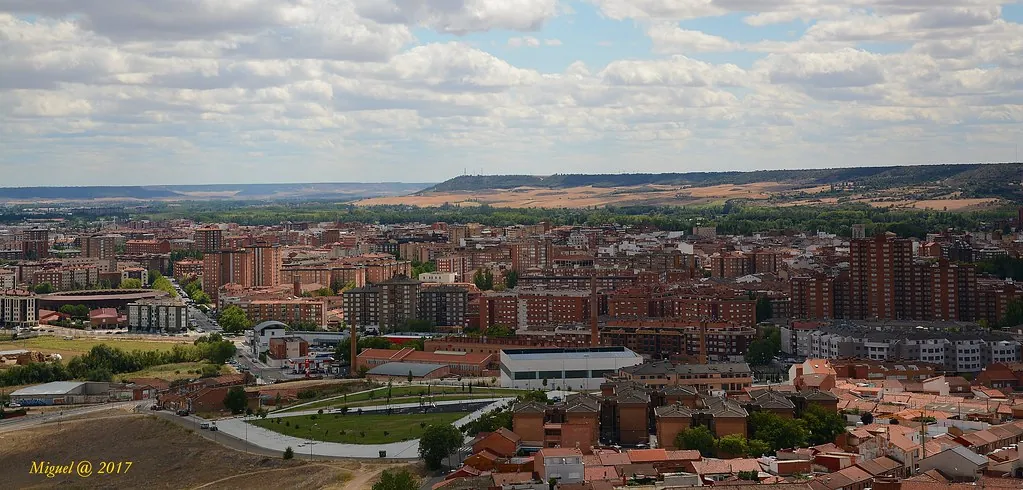
A town near Medina de Rioseco, known for its Santiago church and open-field landscape.
Ocultar artículo Leer artículo completo
The church bell strikes noon, yet nobody quickens their pace. Two elderly men remain stationed outside the Bar Centro, discussing yesterday's rainfall with the intensity others reserve for football results. Their coffee cups have long cooled. This is Morales de Campos, where time operates on agricultural rhythms rather than tourist schedules, and where the horizon stretches so wide that locals claim they can see tomorrow's weather approaching.
At 746 metres above sea level, this Valladolid village sits suspended between earth and sky in the heart of Tierra de Campos, Castilla y León's answer to the prairies. The altitude matters more than you might expect. Summer mornings bring crisp air that burns off by eleven, while winter nights drop well below freezing—pack accordingly if you're visiting between November and March, when daytime temperatures hover around 8°C and heating becomes less luxury than survival.
The Architecture of Survival
Adobe walls three feet thick aren't architectural affectation but climate control perfected over centuries. These earthen structures, along with their more formal stone cousins, line Morales de Campos' single main street in various states of repair. Some have received fresh limewash and aluminium windows; others slump gracefully back towards the soil from which they came. The cylindrical dovecotes—palomares—rise from wheat fields like miniature castles, their conical roofs visible from kilometres away. These weren't decorative follies but vital protein factories, housing squab that supplemented the cereal-heavy diet of rural Spain.
The parish church of San Miguel stands modest against this horizontal landscape, its bell tower barely clearing the surrounding wheat. Inside, the usual Spanish baroque excess gives way to simpler rural tastes: a retablo that locals saved for during good harvests, votive candles flickering beneath saints whose faces have worn smooth from centuries of fingertips. The church keeps no fixed hours—find the sacristan's house opposite the plaza and knock firmly if you want to see within. Sunday mass at eleven thirty guarantees access, though you'll need Spanish enough to follow the responses.
Walking Into Nothing, Finding Everything
The real monument here isn't built but grown. Wheat fields radiate from the village in perfect geometric blocks, their colours shifting through the agricultural calendar from spring's electric green to summer's ochre waves. Walking tracks exist in the sense that farmers need to reach their land—follow any dirt road leading west and you'll loop back eventually, though bring water and a sense of direction. Mobile reception vanishes within five minutes of leaving the village limits, which feels either terrifying or liberating depending on your relationship with connectivity.
Dawn walks reward early risers with phenomena the Campos does better than anywhere else: ground mist that pools in shallow valleys, creating islands of wheat that appear to float above clouds. Photographers should pack a polarising filter—the light here carries weight and clarity that makes Mediterranean sunshine seem washed out by comparison. By nine o'clock the mist burns off, revealing the real magic: absolute silence broken only by larks and the distant hum of irrigation pumps.
Birdwatchers arrive with specific targets in mind. Great bustards feed in the stubble fields south of town—massive birds that look too heavy for flight until they launch themselves skyward with surprising grace. Bring binoculars and patience; these birds survived by being paranoid. The local council has installed a basic hide near the seasonal lagoon, though you'll need to ask at the ayuntamiento for the key. Spring migration brings honey buzzards and black kites riding thermals above the wheat, their shadows racing across golden fields like fast-moving clouds.
When Hunger Strikes
The village bar serves coffee from seven thirty and beer until the last customer leaves—usually the sacristan after evening rosary. Their tortilla comes thick and slightly runny, the eggs sourced from hens that scratch in gardens behind the church. Beyond this, Morales de Campos offers no restaurants, no tapas trail, no gastro-anything. The nearest proper meal sits fifteen kilometres away in Medina de Rioseco, where Casa Santiago does excellent lechazo—milk-fed lamb roasted in wood-fired ovens until the skin crackles like pork. Book ahead on weekends when half of Valladolid drives out for lunch.
Self-catering visitors should stock up in Palencia or Valladolid before arriving. The village shop opens erratically—morning deliveries, afternoon siesta, evening gossip session. They stock basics: tinned tuna, UHT milk, overpriced crisps. The bakery van visits Tuesday and Friday at eleven; locals emerge clutching plastic bags for the week's bread. Fresh fish arrives Thursday afternoon in a refrigerated lorry that doubles as shop, though "fresh" means caught Monday and driven inland from Gijón.
Seasons of Silence
Spring brings the most dramatic transformation. By late April, wheat shoots have carpeted every available surface in impossible green—the colour so saturated it seems filtered through stained glass. Temperatures range from 12°C at dawn to 24°C by afternoon; pack layers. This is photographer's season, when clouds cast racing shadows across the plain and every track leads somewhere photogenic.
Summer means business. Locals rise at five to work before heat becomes punishing; by two o'clock the village empties as everyone retreats indoors. August temperatures regularly hit 38°C—the altitude provides no relief when the plain becomes a reflector oven. If you must visit mid-summer, walk at dawn and again after six. The wheat harvest begins late July, bringing combines that work through the night to avoid daytime heat, their lights creating strange constellations across the fields.
Autumn arrives suddenly, usually during the first week of October. Morning mist lingers longer, afternoons soften, and the stubble fields turn silver-blonde after harvest. This is walking season—cool enough for proper hikes, warm enough for lunch outdoors. Bird numbers swell as migrants pause to feed before crossing the Cantabrian mountains. Local wine festivals in neighbouring villages provide weekend entertainment; Morales hosts its own micro-harvest celebration though you'll need invitation from farming families to participate.
Winter strips everything back to essentials. Trees reveal their architecture against enormous skies; wheat stubble crunches underfoot, frosted solid. On clear days you can see the mountains of León eighty kilometres distant—proof of the earth's curvature in this flatland. Heating costs make short winter breaks expensive; most village houses lack insulation beyond their thick walls. Come prepared with jumpers and the Spanish ability to complain about cold while refusing to close the bar door.
The Practicalities Nobody Mentions
Getting here requires wheels. The nearest railway station sits twenty-five kilometres away in Palencia; buses run twice daily except Sundays when service ceases entirely. Car hire from Valladolid airport takes ninety minutes across empty roads where you'll pass more storks than vehicles. Petrol stations become scarce east of Palencia—fill up before you leave the A-62 autopista.
Accommodation means renting village houses from families who've moved to cities. Expect basic: Spanish TV with forty channels you'll never watch, kitchens equipped for serious cooking, beds with blankets heavy enough to sprain something. Most places rent by the week; weekends require three-night minimum stays. The tourist office in Palencia handles bookings, though calling them requires Spanish and patience—they answer when the single employee returns from coffee.
Morales de Campos won't change your life. No epiphanies await on its dirt tracks, no Instagram moments beyond the obvious sunset-over-wheat shots. What you get instead is rarer: a place where tourism hasn't become the local industry, where conversations happen without commercial subtext, where the landscape's beauty lies in its complete indifference to whether you find it beautiful or not. Come with realistic expectations—bring Spanish, walking boots, and an ability to entertain yourself. Leave with a recalibrated sense of scale and the memory of silence so complete you can hear wheat growing during windless dawns.