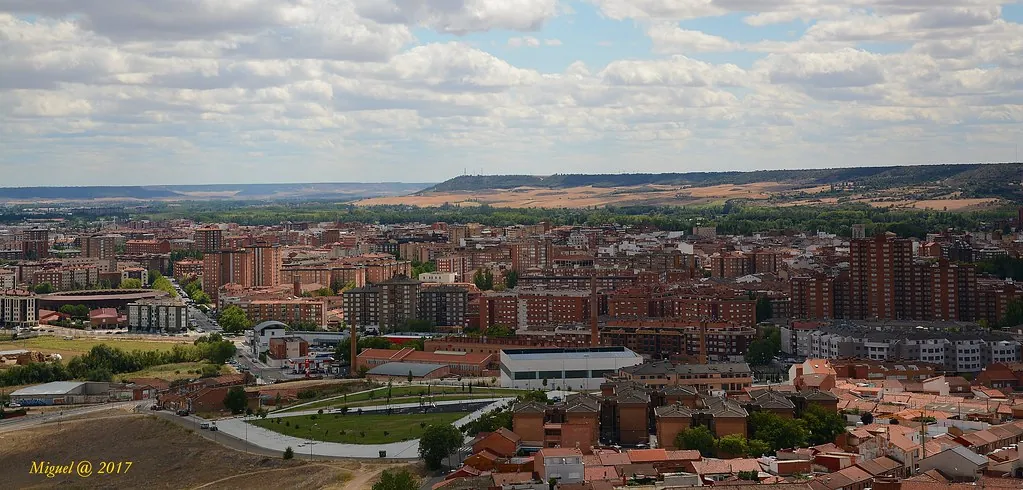
Madrid - Las Tablas, Calle de Población de Campos 2.jpg
Zarateman · CC0
Castilla y León · Cradle of Kingdoms

Población de Campos

The wheat stops just short of the church porch. One moment you're squinting across an ocean of ochre stubble, the next a low stone wall and a singl...

119 inhabitants · INE 2025
790m Altitude

Why Visit

Hermitage of San Miguel Camino de Santiago

Best Time to Visit

spring

Santa María Magdalena (July) julio

Things to See & Do
in Población de Campos

Heritage

  • Hermitage of San Miguel
  • Church of Magdalena

Activities

  • Camino de Santiago
  • Romanesque Route
  • Walks

Festivals
& & Traditions

Fecha julio

Santa María Magdalena (julio), San Miguel (septiembre)

Las fiestas locales son el momento perfecto para vivir la autenticidad de Población de Campos.

Full Article
about Población de Campos

A Camino de Santiago landmark, known for its Romanesque chapel of San Miguel and the church of la Magdalena; pilgrim atmosphere.

Ocultar artículo Leer artículo completo

The wheat stops just short of the church porch. One moment you're squinting across an ocean of ochre stubble, the next a low stone wall and a single cypress announce that 123 souls live here. Población de Campos doesn't creep up on you—it simply appears, as if someone drew a line in the dust and said, "This far, crops; from here, houses."

At 790 metres above sea level, the village sits high enough for the air to carry a thin whistle on winter mornings, yet low enough for midsummer to hammer the earth flat. The surrounding plain, Tierra de Campos, feels larger than sky: forty kilometres of horizon in every direction, interrupted only by the next identical hamlet. Locals measure distance by church towers—"three belfries away"—because every settlement has one and they're the only things tall enough to see.

Stone, Adobe, and the Smell of Toast at Dawn

Architecture here is a timeline you can read like rings in a tree. Adobe walls the colour of dry biscuits shoulder up against 1970s brickwork still wearing its plastic window film. A 12th-century arch has been bricked into a tractor shed; the shed's corrugated roof flaps in the wind next to a freshly rendered holiday cottage whose owners come from Valladolid twice a year. Nothing is pristine, nothing is theme-park. Decay and repair take turns, sometimes on the same façade.

The parish church of San Juan closes at dusk but the side door drifts open if you lean on it. Inside, the air smells of candle stubs and damp stone. The altar frontal is 18th-century pine, painted a faded terracotta; someone has left a plastic tub of garden marigolds beneath it. There's no ticket desk, no audio guide—just a notice board listing the three euros needed to keep the roof on. Drop coins in the tin, light a votive if you wish, and the silence reimburses you.

Walk two streets east and the houses thin out into corrals. Donkeys once slept here; now it's stacked firewood and the occasional elderly Seat Toledo under a tarp. Adobe crumbles in slow motion, exposing straw that looks fresh enough to bale. Photographers hunt for "authentic decay", but children still play among the rubble and grandfathers mend gates with baling twine. The village isn't preserved; it's simply still being used.

Coffee, Chicken, and the Camino Conveyor Belt

Población's heartbeat quickens for twenty minutes at 08:30 when the first pilgrims appear, rucksacks bobbing like bright beetles. They've walked 6.5 km from Frómista and they want coffee, toilets, and a stamp to prove they were here. Two cafés—no names above the doors—compete for custom with identical €1.20 cortados and industrial pastries. One doubles as the village shop; ask for "un bocadillo para llevar" and the owner slips a foil-wrapped chorizo baguette across the counter while ringing up a pint of milk for a farmer.

By 11:00 the conveyor belt has rolled on toward Carrión de los Condes and the village exhales. If you arrive outside the Camino rush, service is leisurely. Waitresses lean on the bar watching the wheat sway; they'll notice you eventually. Lunch is served at 14:00 sharp—try to order at 13:55 and you'll be asked to sit outside until the kitchen flame is lit. The daily menu at Hotel Amanecer costs €12 and tastes like someone's considerate aunt has cooked: grilled chicken leg, chips dusted with pimentón, ice-cream from a tub, half a bottle of local red. Vegetarians get a plate of roasted peppers and an apology.

Evening brings the rotisserie spit to life. Whole chickens rotate under a bronze lamp; lemon halves blacken, dripping citrus onto the skin. Buy one to go (€7.50) and the butcher tucks a foil parcel of juices into the bag so you can mop your bread later. British cyclists have been known to detour 12 km off-route for this bird, then curse the headwind all the way back.

Flat Roads, Sky Roads, and the Art of Not Getting Lost

The Camino Primitivo skirts the village, but the Meseta variant that passes through here is ruler-straight. Northbound walkers follow a dirt service road parallel to the P-980; trucks thunder past on the tarmac, drivers raising a sympathetic hand. There is no shade—zero—between Población and the next village, 4.5 km away. In July the thermometer kisses 38 °C; the council has planted 200 poplars but they'll need another decade before their shadow reaches the path. Carry two litres of water; the fountain on the church square looks medieval but the tap is modern and potable.

Cyclists love the emptiness. Road noise drops to a hiss, skylarks replace traffic lights, and you can hold 30 km/h without braking for 20 km. The downside: a puncture means sitting on your jacket while the sun grills you. Phone signal flickers—Vodafone roams, EE sulks—so download the map before you leave Frómista.

If you'd rather wander than race, take the farm track signed "Ermita de San Miguel, 2 km". The chapel itself is locked, but stone picnic tables sit beneath mature poplars and someone has built a brick barbecue. British motorhomes occasionally overnight here; they share the space with cows that wander through a broken fence. Sunset ignites the wheat stubble; by dusk the Milky Way feels close enough to snag on the chapel cross.

When to Come, When to Leave

Spring arrives late at this altitude—expect fresh winds until mid-May, then sudden explosions of poppies along the verges. Farmers burn stubble in early June; the air smells of campfires and the sky turns sepia. July and August are brutal: daytimes furnace-hot, nights still 22 °C. Accommodation without air-conditioning becomes a sauna with duvets. September softens everything; the wheat is replanted, skies rinse to porcelain, and the village fiesta (second weekend) features a paella pan two metres wide. Winter brings biting northerlies; snow is rare but frost crusts the puddles and the municipal hostel closes from November to March because pipes freeze.

Rooms in Hotel Amanecer start at €45 for a double, including breakfast that stretches the definition: coffee, toasted baguette, and a thimble of fresh orange juice. The municipal albergue reopens 1 April—€8 donation, kitchen available, but you must check in at the hotel reception first. Beds are first-come; no online reservations. If you arrive after 20:00 and everything's full, the owner rings her cousin who rents spare rooms above the bakery. Expect lace doilies, a crucifix, and shared bathroom circa 1982.

The Honest Epilogue

Población de Campos won't change your life. It offers no cathedral, no Michelin stars, no Instagram waterfall. What it does give is a calibration point: a place to remember how slowly time can move when nothing is trying to sell it to you. Sit on the church step at 17:00 when the heat goes out of the day; watch an old man sweep dust into tiny piles, listen to sparrows argue in the eaves, notice the wheat heads nodding like polite commuters. After half an hour you'll check your phone, realise there's nothing to check, and feel oddly relieved. Then you can leave—preferably with a lemon-scented chicken in your pannier—and the Meseta will carry on without you, flat and implacable, already smoothing your footprints with wind.

Key Facts

Region
Castilla y León
District
Tierra de Campos
INE Code
34132
Coast
No
Mountain
No
Season
spring

Livability & Services

Key data for living or remote work

2024
Connectivity5G available
TransportTrain nearby
HealthcareHospital 29 km away
EducationElementary school
Housing~6€/m² rent · Affordable
CoastBeach nearby
Sources: INE, CNMC, Ministry of Health, AEMET

Planning Your Visit?

Discover more villages in the Tierra de Campos.

View full region →

More villages in Tierra de Campos

Traveler Reviews