Full Article
about San Esteban del Molar
Small town on a hill overlooking the region; known for its wine cellars and Terracampo landscape.
Hide article Read full article
San Esteban del Molar, o cuando el paisaje es la atracción
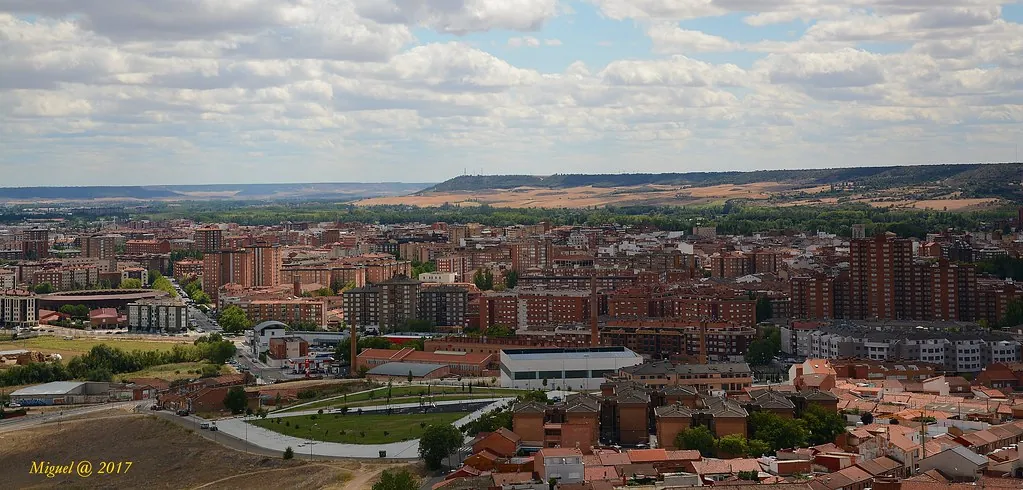
Llegas a San Esteban del Molar y lo primero que haces es aparcar y mirar. No hay un mirador señalizado, pero todo el pueblo funciona como uno. Lo que ves en todas direcciones es Tierra de Campos en estado puro: llano, cielo enorme y una sensación de que el tiempo se ha estirado como un chicle.
Es de esos sitios que te ponen en tu lugar. Tiene unos cien vecinos, está en Zamora, y no vas a encontrar una catedral ni una calle llena de tiendas. Lo que hay es lo que ves: un pueblo hecho a la medida del campo que lo rodea.
Un paseo de diez minutos (literal)
Puedes recorrerlo entero en un cuarto de hora. Las calles están tranquilas, de esas donde se oye tu propio paso. Las casas son de adobe o tapial, con portones de madera que han visto pasar más cosechas que personas.
La gracia está en los detalles prácticos. Los muros son gruesos no por estética, sino para aguantar el frío del invierno y el calor tremendo del verano. Muchas tienen corrales interiores, porque antes aquí la vida y el trabajo eran lo mismo. No es arquitectura para postales; es arquitectura para vivir.
Todo encaja. No hay una casa que desentone, ni un material que parezca fuera de lugar. El pueblo tiene una coherencia rara hoy en día, como si se hubiera construido de una sola vez y con una sola idea: resistir.
La iglesia, sin pretensiones
El edificio que más llama la atención es la iglesia parroquial. Y digo "llama la atención" con cuidado, porque no es nada llamativa. Es de ladrillo y mampostería, sobria como suelen serlas por aquí.
Su valor no está en los adornos, sino en lo que ha sido durante siglos: el punto fijo del pueblo. Si tienes suerte y está abierta (no cuentes con ello), verás un interior sencillo. Pero eso es lo interesante: en sitios así, la iglesia era donde pasaba todo – bautizos, bodas, funerales, las fiestas del patrón. Era el calendario social hecho piedra.
Salir al campo no es una opción; es obligatorio
Si te quedas solo entre las casas, no has entendido San Esteban. Tienes que salir por cualquiera de los caminos agrícolas. Ahí es donde se entiende todo.
El paisaje cambia totalmente con las estaciones. En primavera es una mancha verde interminable; en verano, un mar dorado que ondea con el viento. Parece monótono hasta que te paras a mirar: entonces ves los cambios de luz, los matices del color, el movimiento lento de las nubes sobre los cultivos.
Aviso: las distancias aquí engañan. Ese árbol que se ve ahí al lado puede estar a media hora andando. Y si vas en verano, lleva agua y algo en la cabeza; el sol en esta meseta pega duro.
Pájaros y silencio (mucho silencio)
Con tanta extensión abierta, la fauna es sobre todo alada. Es fácil ver cogujadas o perdices entre los rastrojos. Si tienes paciencia y algo de suerte, puede que veas avutardas – son enormes y parece un milagro que vuelen.
No necesitas prismáticos caros ni un sendero señalizado para notarlo. Basta con caminar despacio por cualquier camino y prestar un poco de atención. Los días tranquilos solo se oye el viento y, a lo lejos, el motor de algún tractor.
No es un espectáculo grandilocuente; es más bien íntimo. No hay carteles explicativos ni grupos con guías. La recompensa está en pillar esos detalles pequeños: el vuelo rasante de una lavandera, el canto de una alondra.
Comer: mejor planificar
Esto es importante: en un pueblo tan pequeño no hay mucho donde elegir dentro del núcleo urbano. Los bares pueden estar cerrados fuera del fin de semana o según la hora. Lo normal si quieres comer algo decente es moverte a algún pueblo cercano más grande o llevarte algo preparado.
La cocina por esta zona es la típica castellana: contundente y hecha para trabajar. Sopas de ajo legumbres guisadas carnes asadas... Comida lenta para tardes largas. Es ese tipo de comida después de la cual solo apetece sentarse en una plaza y dejar pasar la tarde.
Una parada técnica en Tierra de Campos
San Esteban del Molar no te va a entretener un fin de semana entero ni lo pretende. Funciona mejor como una parada técnica mientras recorres la comarca. Como ese alto en el camino para estirar las piernas que acaba siendo lo que más recuerdas del viaje.
Vienes das un paseo respiras hondo frente a ese horizonte imposible y sigues tu ruta. No pasa nada memorable pero algo se te queda dentro. Quizá sea esa sensación tan rara hoy en día: la de estar en un sitio donde lo importante no eres tú sino todo lo que te rodea