Full Article
about San Pedro de Latarce
Historic border town with Zamora; noted for its castle ruins and church.
Ocultar artículo Leer artículo completo
The church bell strikes noon and nobody hurries. At 706 metres above sea level, San Pedro de Latarce moves to a different rhythm—one set by cereal fields that stretch until they blur with the sky, and by farmers who still judge time by the sun rather than the clock. This is Tierra de Campos proper: no mountains, no forests, just an almost shocking openness where the horizon feels close enough to touch.
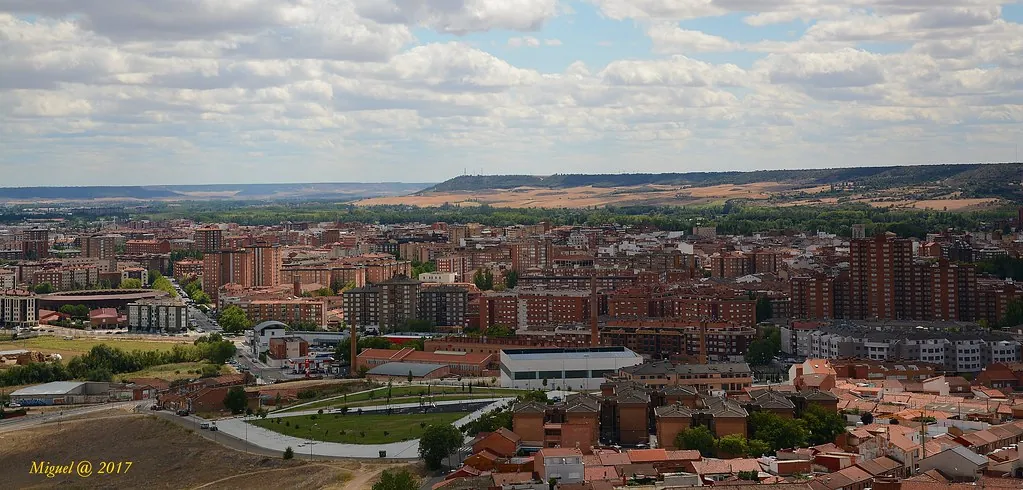
Visitors expecting postcard Spain might blink twice. The village sits on a high plateau northwest of Valladolid, and the landscape refuses to perform. There are no dramatic peaks, no orange groves, no tiled roofs dripping with geraniums. Instead, adobe walls the colour of dry earth line narrow lanes that twist against the wind, and the tallest structure for kilometres is the squat stone tower of the fifteenth-century church of San Pedro Apóstol. Inside, the air smells of wax and stone dust; if the door is locked (likely outside Sunday mass or fiesta days), ask at the ayuntamiento on Plaza Mayor—someone will fetch the key within ten minutes, provided the bar isn't serving lunch yet.
That bar, by the way, is Mesón La Plaza, the only public eating option in the village itself. A plate of lechazo—milk-fed lamb roasted in a wood-fired oven—costs €18 and arrives with a ceramic bowl of patatas pobre (potatoes, peppers, onion, generous glug of local olive oil). Vegetarians can request menestra de verduras, although the kitchen treats it as an after-thought; expect cauliflower, carrot and the excellent local chickpeas stewed until they slump. House wine is a robust tinto from nearby Cigales; a half-litre carafe is €4. Opening hours follow the farming clock: 08:00–11:00 for coffee and churros, 13:30–16:00 for comida, 20:30–23:00 for cena. Arrive five minutes late and the door will already be bolted.
Adobe is the local building language. Walk Calle San Miguel and you can still see the finger marks where bricks were laid in the 1920s; walk Caljón de la Cruz and count the empty houses whose clay walls are dissolving back into the soil. Restoration grants arrive in fits and starts—some cottages have been patched with modern cement, others left to the storks that nest on collapsed beams. It isn't pretty, but it is honest: a working village negotiating the gap between heritage and daily life.
Wind, Wheat and Winter Silence
The altitude matters more than the modest 700 metres suggests. Summer nights drop to 14 °C even in July, and winter regularly sends the thermometer below –5 °C. When snow comes—two or three times a season—it drifts across unsheltered roads and can isolate the village for 24 hours. The N-601 is kept clear, but the final eight kilometres from Medina de Rioseco are secondary and gritting is sporadic. If you're travelling between December and February, carry blankets and a full tank; mobile coverage is patchy once you leave the main road.
Spring and autumn repay the effort. From late April the surrounding wheat changes colour weekly: lime shoots, then an almost violent green, finally the blonde waves that earned Castile its nickname, the "granary of Spain". Early mornings bring rollers of mist that pool in the hollows like water, and the air carries the scent of wild thyme crushed under tractor tyres. By October the stubble fields turn ochre and sky watchers arrive for the steppe-bird migration—great bustards, pin-tailed sandgrouse, the occasional golden eagle sliding south along the thermals. Bring binoculars, stick to the farm tracks, and remember: if a gate is closed, leave it closed.
Cycling works here only when the wind sleeps. The terrain is pancake-flat, but the plateau acts like a funnel for Atlantic weather systems; gusts of 40 km/h are routine. Head east towards Villalón de Campos on the CV-204 and you'll enjoy a silent, 12-kilometre glide; come back and you may push the bike the entire way. Drivers are courteous—farm vehicles will pull onto the verge, dust pluming—but there is no hard shoulder and the surface is pitted after harvest. Rent bikes in Valladolid (Daily Motion on Calle Santiago charges €20 per 24 h) and transport them by car; San Pedro has no hire shop or repair service.
What Counts as a Festival
San Pedro's patronal fiesta, 28–30 June, triples the population for forty-eight hours. A temporary bar appears in the square, the local brass band rehearses until 03:00, and teenagers ride mopeds in endless, noisy circuits. A mediaeval market sells overpriced cheese and imported leather goods; more authentic is the matanza demonstration on the Sunday morning, when two pigs are slaughtered and every cut is turned into chorizo, salchichón and morcilla. Vegetarians should probably book a trip elsewhere that weekend. Accommodation within the village is impossible—there are no hotels or official rentals—so base yourself in Medina de Rioseco (15 min drive) where the three-star Hotel Villa de Ferias has doubles from €55, including a garage for bikes.
August brings the verbena del pueblo, an outdoor dance fuelled by gin-and-tonics the size of goldfish bowls. The playlist hasn't changed since 1998: Los del Río, followed by more Los del Río. If that sounds like hell, come instead for the Día de la Exaltación del Pan on the second Sunday of October. Local women compete for the best hogaza—a round, crusty loaf weighing exactly 1.5 kg—and the baker donates leftover bread to the elderly. Entry is free; you simply queue, donate what you like, and listen to a retired teacher recite the ingredients in local dialect.
Beds, Bread and Bustards
Staying overnight inside San Pedro means persuading. There is one registered casa rural, La Torre, which sleeps six and books by WhatsApp (+34 677 123 456). The owners live in Valladolid and meet guests with a key; if they're busy you'll be redirected to an aunt in the next village. Otherwise, the nearest beds are in Villalón de Campos (Hostal la Torre, €35 double, heating extra) or Medina de Rioseco. Breakfast outside the fiesta season is whatever you buy the evening before from the bakery van that visits at 18:00—ask for pan candeal, a slightly sweet wheat loaf that toasts to a honey-coloured crunch.
Practicalities: fill the petrol tank in Medina de Rioseco; the village pump closed in 2019. There is no cash machine—plastic is accepted at the bar, but the bakery van deals only in coins. English is rarely spoken; a greeting of "Buenos días, ¿qué tal?" unlocks smiles and slow, clearly enunciated Spanish. Bring a light jacket even in July, and remember that siesta still runs 14:30–17:00; during those hours the only sound is the wind rattling the corrugated roofs of abandoned barns.
San Pedro de Latarce will never appear on a glossy regional brochure. It offers no selfies with Moorish castles, no Michelin stars, no flamenco troupe on retainer. What it does provide is the rare sensation of standing in the middle of a continent-wide plateau, feeling simultaneously tiny and oddly centred. If you measure travel by tick-box sights, skip it. If you're content to watch wheat turn gold and listen to a village argue about the price of chickpeas, the road turns off the N-601 just after kilometre 91. Leave the motorway, climb the eight kilometres of empty tarmac, and arrive in the place where Castile keeps its silence.