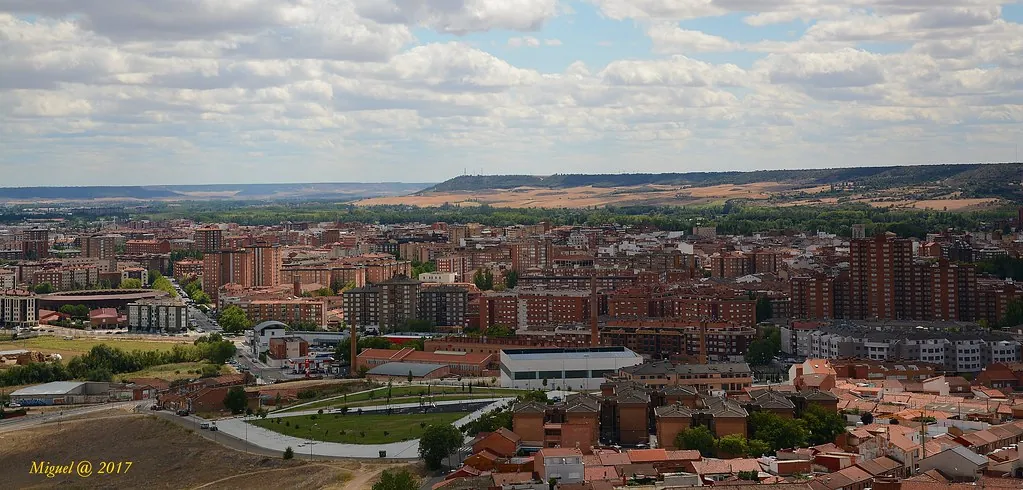
Vista aérea de Vidayanes
Instituto Geográfico Nacional · CC-BY 4.0 scne.es
Castilla y León · Cradle of Kingdoms

Vidayanes

The church bell strikes noon, yet only three shadows cross Vidayanes' single street. At 700 metres above sea level, the air carries a sharpness tha...

74 inhabitants · INE 2025
704m Altitude

Why Visit

Church of San Juan Birdwatching

Best Time to Visit

winter

San Juan (June) agosto

Things to See & Do
in Vidayanes

Heritage

  • Church of San Juan
  • Natural surroundings

Activities

  • Birdwatching
  • Hiking

Festivals
& & Traditions

Fecha agosto

San Juan (junio)

Las fiestas locales son el momento perfecto para vivir la autenticidad de Vidayanes.

Full Article
about Vidayanes

Small village near the Villafáfila lagoons; steppe and wetlands perfect for wildlife

Ocultar artículo Leer artículo completo

The church bell strikes noon, yet only three shadows cross Vidayanes' single street. At 700 metres above sea level, the air carries a sharpness that makes the cereal fields shimmer like hammered metal. This is Tierra de Campos at its most honest: a plateau where the horizon sits forty kilometres away and weather systems announce themselves hours before they arrive.

Seventy souls call this home—fewer than the number of stone dovecotes that punctuate the surrounding wheat. The village hangs between earth and sky, exposed to every wind that sweeps across Castilla y León. Winter brings proper cold: temperatures drop to -8°C, and when snow comes, the access road from Zamora becomes treacherous within minutes. Summer compensates with 35°C heat that bakes the adobe walls until they smell like warm terracotta.

The Architecture of Survival

No grand plaza awaits. Vidayanes unfolds as a linear collection of agricultural buildings that happened to become a village. The parish church of San Miguel rises modestly above terracotta roofs, its Romanesque base reinforced over centuries against the plateau's gales. Inside, the single nave holds no baroque excess—just thick walls that have sheltered farmers since 1234, their family names still carved into wooden pews.

Traditional houses wear their construction openly. Adobe bricks, sun-dried from local clay, support upper floors of woven chestnut beams. Many stand empty now, their wooden balconies sagging like tired eyelids. Yet peer through iron grilles and you'll spot intact bread ovens, their domes blackened from decades of weekly baking. The architectural grammar remains consistent: ground floor for animals, first floor for grain, second floor for people. Practicality trumped aesthetics here long before the phrase existed.

Dovecotes deserve special attention. These cylindrical towers, some reaching eight metres high, once provided both fertilizer and meat. Their conical slate roofs sit like witches' hats across the landscape. Most tilt at alarming angles—photogenic certainly, but approach carefully. The interior walls contain 300+ nesting holes, each precisely sized for the local rock dove population.

Walking the Invisible Lines

No marked trails exist. Instead, a lattice of agricultural tracks radiates outward, their routes determined by field boundaries older than any map. Head north and you'll reach the abandoned hamlet of Villavieja in forty minutes—its empty church now houses barn owls. Southeast lies the seasonal lagoon of Villafáfila, seventeen kilometres distant, where cranes gather in October before continuing to Extremadura.

Early morning delivers the best walking conditions. Dew settles the dust, and skylarks provide soundtrack from impossible heights. The plateau's flatness deceives: subtle ridges hide Roman gold mines, while dry stone walls mark medieval sheep droveways. Carry water—there's no shade between villages, and summer sun reflects off pale soil with double intensity.

Birdwatchers should pack patience and a telescope. Great bustards occasionally feed amongst the stubble; their 150-centimetre wingspan makes them unmistakable against the vast sky. Lesser kestrels hover above uncut meadows, while calandra larks deliver their mechanical song from telegraph wires. The real prize comes in winter: hen harriers quarter the fields at dusk, their grey plumage ghostlike in fading light.

When the Fields Feed You

Don't expect restaurants. Vidayanes supports neither bar nor shop—services closed gradually as families moved to Zamora or Valladolid. Self-catering becomes essential, though this reveals the region's culinary heartbeat. Visit the Saturday market in nearby Benavente (twenty-two kilometres) and you'll find ingredients that haven't changed since Moorish influence arrived: chickpeas the size of marbles, lentils that cook to nutty tenderness, and sheep's cheese wrapped in esparto grass.

Local farmers still slaughter according to the lunar calendar. If you rent a village house (three exist, from €45 nightly), the owner might offer morcilla made with onions grown in their own plot. The blood sausage here skips the rice filler common elsewhere—pure pork fat, onion, and spices create something approaching edible velvet. Pair it with bread from Tordesillas' wood-fired ovens, twenty-eight kilometres south, and you've assembled a plate that tastes of altitude and patience.

The Calendar That Still Matters

Festivities remain tethered to agricultural rhythm. San Miguel's feast (29 September) coincides with cereal planting; returning emigrants swell numbers to perhaps 200. The morning procession carries the saint's image around field boundaries, blessing next year's harvest. By midday, everyone squeezes into a relative's courtyard for cocido—chickpea stew enriched with every part of the pig. No tourist office coordinates this; visitors simply appear and are absorbed.

December brings matanza traditions. Families gather for the annual pig slaughter, transforming a 150-kilo animal into hams, sausages, and pâtés that must last twelve months. The work carries on through three frigid mornings, hands protected only by the pig's own fat. Photography requires permission—this remains livelihood, not performance.

Practicalities Without Pretence

Access demands planning. The nearest train station sits at Zamora, forty-seven kilometres west. Car rental becomes essential; the twice-daily bus service reaches Vidayanes via a circuitous route that adds two hours. Winter tyres prove necessary between November and March—black ice forms quickly at this elevation.

Accommodation options remain limited beyond the three village houses. Hotel Los Toreros in Benavente offers reliable rooms from €65, but you'll sacrifice the pre-dawn silence that makes Vidayanes special. Better to stock up supplies and stay put. Mobile reception varies by provider; Vodafone works consistently, others disappear entirely near the church.

Weather changes fast. Pack layers regardless of season—afternoon thermals can drop ten degrees within an hour when Atlantic systems arrive. The compensation comes in skies that would make a Turner weep: cumulus towers building like cathedral spires, or mare's tails streaking across moonless nights so dark that Milky Way shadows fall across wheat stubble.

Vidayanes offers no postcards, no souvenir shops, no curated experiences. It presents instead the rare commodity of authentic agricultural time, measured in harvests and migrations rather than opening hours. Come prepared, tread lightly, and the plateau will share its measured rhythms. Fail to respect its rhythms, and the wind will simply erase your footprints overnight.

Key Facts

Region
Castilla y León
District
Tierra de Campos
INE Code
49236
Coast
No
Mountain
No
Season
winter

Livability & Services

Key data for living or remote work

2024
HealthcareHospital 12 km away
Housing~5€/m² rent · Affordable
CoastBeach nearby
Sources: INE, CNMC, Ministry of Health, AEMET

Planning Your Visit?

Discover more villages in the Tierra de Campos.

View full region →

More villages in Tierra de Campos

Traveler Reviews