Full Article
about Villalón de Campos
Capital of Villalón cheese; known for its striking Gothic jurisdictional pillar and traditional market.
Ocultar artículo Leer artículo completo
The A-62 lorry drivers know the routine: pull off at junction 133, top up with the cheapest diesel between Santander and Madrid, then push through the glass doors of Bar-Restaurante Peña for a €1.20 café con leche and the cleanest toilets for 100 km. Most are back on the carriageway within twenty minutes, unaware they’ve just walked across the 16th-century Plaza Mayor of Villalón de Campos, a town that once dictated wool prices for half of Europe.
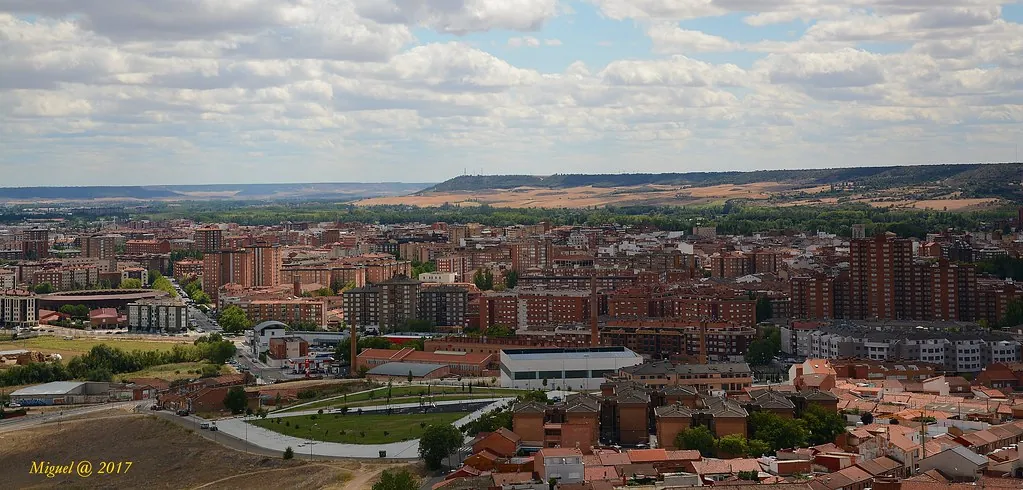
At 782 m above sea level, Villalón sits bolt upright on the pancake-flat Tierra de Campos plateau. The wind arrives unfiltered from the Meseta, whipping dust down Calle Real and convincing unprepared April visitors that jumpers were a sensible idea after all. The altitude gives the town its light: sharp, thin and bright enough to make the stone shields on the old mansions look freshly chiselled. It also gives the local sheep’s milk its fat content – the reason the elongated “pata de mulo” cheese keeps turning up on Madrid restaurant boards seventy miles away.
A Market Town That Forgot to Modernise
No one planned a heritage centre here; the place simply never got round to updating. The rollo jurisdiccional – a stone column the height of a double-decker bus – still stands where the medieval market clerk measured cloth and announced new laws. Walk past it at 11 a.m. on a Tuesday and you’ll have to skirt crates of onions: the weekly produce market spreads across the same cobbles that once took delivery of Flemish bolts of cloth and Aragonese saffron. Stallholders shout prices in castellano puro; if you need English, try the Dutch motorhome couple who come every spring for the €1.50 a kilo oranges.
The two Gothic churches are open only when mass is on, so time your stroll. San Miguel’s tower peals at 11 a.m. Sunday; slip in behind the villagers and you’ll catch the swirl of incense drifting past a Renaissance retablo paid for by merino profits. San Pedro, five streets away, is plainer but older; its doorway still carries the grooves where merchants sharpened knives while counting coin. Between them, Calle de los Cubos hides mansion after mansion whose family shields grow lichen faster than the ayuntamiento can budget for restoration. Some façades are propped up with timber; others have been patched so often the coats of arms look like collage. The effect is honest – no gift-shop trim, just brick, stone and the memory of money long gone.
Cheese, Chops and Other Lunch Decisions
By 13:30 the lorry queue has shifted to Venta del Alón on the northern bypass. Inside, waiters relay plates the size of hubcaps: chuletón de cordero, pink in the middle, charred at the edges, meant for sharing but often not. Ask for chips instead of the standard fries and you’ll get them, thick-cut and crisped in Spanish olive oil. A half-portion feeds two; the house red arrives in a plain bottle and costs under €8.
Back in the centre, Hostal Peña serves a weekday menú del día for €12. Start with sopa de ajo – a light, garlicky broth with a poached egg – and you’ll understand why Castilians don’t catch colds. The flan that follows is the closest thing to British custard on the high plateau. Payment is cash; the nearest Santander ATM is two minutes away on the corner of Calle Real and Plaza de la Constitución. Cards are useless in most bars – another reason drivers keep notes in their shirt pockets.
If you’re self-catering, buy the cheese straight from the producer. Quesería La Princesa (ring the bell on Calle San Juan) will cut a 700 g pata de mulo from the curing cave at the back. The rind is ridged like an old tree trunk; inside, the paste is butter-yellow and smells of lanolin and thyme. Vacuum-sealing is free, legal for EU borders and survives the Portsmouth–Santander ferry ride home.
Flat Roads, Sky-Birds and the Wrong Kind of Boots
Villalón is walkable end-to-end in twenty minutes, yet the surrounding grid of farm tracks sucks in cyclists and bird-watchers who’ve read about great bustards. Spring is the season: the cereal fields flip from brown to emerald almost overnight, and stone-curlew clatter overhead at dusk. The terrain is table-flat, so you can cover 30 km without noticing – until the wind turns against you and you realise why locals drive even to the next street. Summer walking is masochistic: 38 °C is routine, shade is scarce and the only water fountain is on Plaza Mayor. Autumn brings stubble fires and the smell of burnt straw; winter is bright, bitter and often blocked by snowdrifts that the plough doesn’t reach before noon.
There are no signed footpaths; instead, pick any camino blanco (unpaved farm road) and head out. The GR- way-marking system misses Villalón completely, which keeps the German hiking brigades in the Picos where they belong. Take a compass: the grain silos on the western edge of town are your lighthouse back.
When to Show Up – and When to Leave
Easter is quiet, almost monastic; processions are candle-lit and finish early because the temperature drops with the sun. Mid-September’s Medieval Market is the opposite: stalls selling leather belts and forged iron, a wandering bagpiper who’s come from neighbouring Medina, and queues for hot churros that stretch past the rollo. Accommodation fills, so book the Hostal Peña early or plan to sleep in Valladolid twenty minutes down the motorway.
Spring weekends are ideal if you like your Spain unfiltered. Temperatures hover around 18 °C, the fields glow and the bars still haven’t printed English menus – mainly because they haven’t needed to. August is for villagers who’ve emigrated to Bilbao and return to argue over truco cards until 03:00; outsiders find accommodation scarce and the plaza furnace-hot. If you do come in high summer, follow the siesta rule: shuttered streets from 14:00 to 17:00, then life restarts under the church bells.
Leaving Without the Souvenir Spoon
There isn’t one. Villalón doesn’t do fridge magnets, and the council has resisted the “Ruta del Queso” branding exercise that other towns slap across every lamppost. What you can take away is a wheel of cheese that tastes of thistle and dry straw, a receipt for €40 of diesel and the memory of a place where the waiter still calls you “vecino” even if you’ve never been before. Back on the A-62 the lorries accelerate towards Valladolid; indicate left, join the stream and the town drops behind like a mirage on the plain. Ten kilometres down the road you’ll already be planning which track to walk next spring – and wondering whether one wheel of queso will actually make it back to British soil.