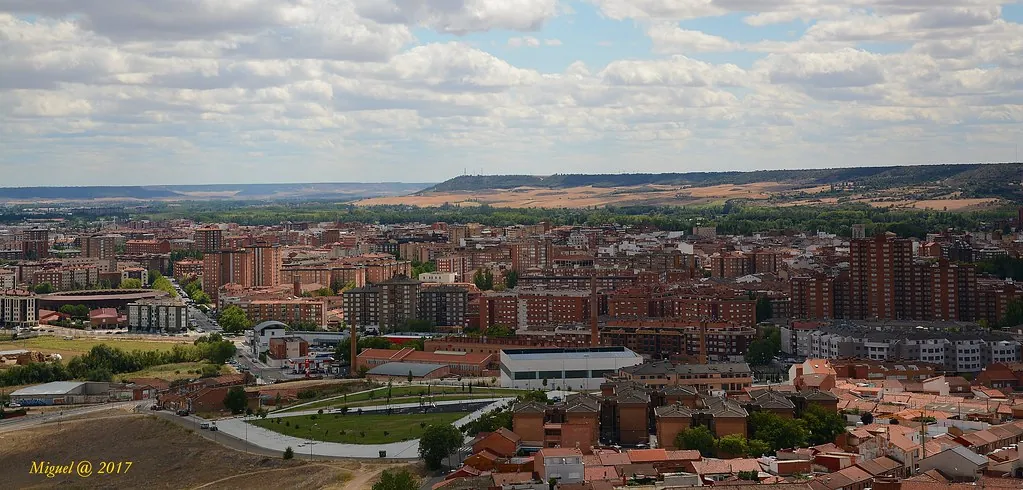
Vista aérea de Villaturde
Instituto Geográfico Nacional · CC-BY 4.0 scne.es
Castilla y León · Cradle of Kingdoms

Villaturde

The A-62 spits you out onto the CL-615, and suddenly the world flattens. Properly flattens. Like someone's taken a rolling pin to Castilla y León a...

148 inhabitants · INE 2025
840m Altitude

Why Visit

Mountain Church of San Jorge Country walks

Best Time to Visit

summer

San Jorge (April) agosto

Things to See & Do
in Villaturde

Heritage

  • Church of San Jorge
  • agricultural surroundings

Activities

  • Country walks
  • Hunting
  • Mountain-bike trails

Festivals
& & Traditions

Fecha agosto

San Jorge (abril), Fiestas de verano (agosto)

Las fiestas locales son el momento perfecto para vivir la autenticidad de Villaturde.

Full Article
about Villaturde

A municipality made up of several villages; known for its church and the quiet of the rural setting.

Ocultar artículo Leer artículo completo

The A-62 spits you out onto the CL-615, and suddenly the world flattens. Properly flattens. Like someone's taken a rolling pin to Castilla y León and forgotten to stop. Forty minutes west of Palencia, Villaturde appears as a smudge on the horizon—a cluster of terracotta roofs that seem to float above the wheat fields, 840 metres above sea level and miles from anywhere that might trouble a guidebook.

This is Tierra de Campos proper, where the meseta stretches so wide you can watch weather systems days before they arrive. The village's 150 souls live suspended between earth and sky, surrounded by a patchwork of cereal crops that shifts from electric green in April to burnished gold by late June. It's a landscape that makes you understand why Castilian Spanish has that distinctive clipped accent—out here, words need to carry across vast distances.

The Architecture of Survival

Villaturde won't win any beauty contests, and that's precisely the point. The church tower rises above single-storey houses built from adobe and tapial—mud walls two feet thick that keep interiors cool through summer's furnace and retain heat during winter's bite. Temperatures here swing from 35°C in July to -5°C in January, when the plateau becomes a freezer compartment and the village's elevation means it catches every blast of wind crossing the meseta.

Walk Calle Real and you'll spot the evolution of rural living. Some homes retain their original wooden balconies, thick beams darkened by centuries of weather. Others show recent attempts at modernisation—uPVC windows wedged into ancient walls, satellite dishes sprouting like metallic fungi. The effect isn't picturesque so much as honest, a working document of how Spanish villages adapt or die.

The 16th-century church of San Miguel stands locked most days, its Romanesque doorway worth a peek if you find it open. Inside, a primitive font carved from single stone sits beneath a simple wooden altar. No baroque excess here—just the essentials required for baptism, marriage, burial. The building's limestone blocks came from quarries 30 kilometres away, transported by ox cart along tracks that still scar the surrounding fields.

Walking Into Nothing

The real attraction starts where the tarmac ends. Farm tracks radiate from Villaturde like bicycle spokes, each leading through fields that stretch to impossible horizons. Within ten minutes' walk, the village shrinks to toy-town proportions behind you. The silence becomes almost physical—no traffic, no birdsong, just the crunch of gravel underfoot and the occasional metallic clank of a distant tractor.

These paths follow the medieval network that connected Villaturde to neighbouring settlements: Villarramiel 6km north-east, Boada de Campos 4km south-west. Farmers still use them to check crops, though you'll more likely encounter a hare than a human. The walking is easy—this is plateau country, remember—but deceptive. That flatness means zero shade, and summer sun at this altitude carries serious bite. Spring brings gentler conditions and green wheat that ripples like water in the breeze.

Bring water. Bring a hat. Bring realistic expectations about what constitutes a view. The landscape reveals itself slowly: a ruined cortijo emerging from cereal seas, a stand of holm oaks marking an underground spring, the silhouette of a harrier quartering the fields. It's country that rewards patience and punishes the impatient.

When the Village Wakes

August transforms Villaturde. The fiestas patronales draw back families who left for Madrid, Barcelona, Valladolid decades ago. Suddenly those empty houses show signs of life—shutters thrown open, generators humming, the smell of charcoal and roasting lamb drifting across the plaza. The population swells to maybe 400, enough to justify hiring a mobile disco that thumps until 4am.

For three days, the village square becomes an outdoor living room. Grandmothers gossip on folding chairs while children who've never lived here chase footballs past the stone cross. The bar—normally open two hours daily if someone's bothered—extends into the street, serving tinto de verano to people who've flown in specifically for this annual reunion. It's anthropological gold, though sleeping within earshot requires either participation or industrial-grade earplugs.

The rest of the year, social life centres on the panadería's morning queue and the Saturday market in nearby Becerril de Campos. Villaturde's own commerce consists of Bar Mary (open 7am-2pm, closed Mondays, closed random other days depending on Mary's mood) and a tiny shop selling tinned goods and lottery tickets. Planning matters.

Eating Like You Mean It

Forget tasting menus and wine pairings. Here, food serves a purpose beyond Instagram. The meseta's continental climate—scorching summers, winters that'd make a Yorkshireman wince—produced cuisine designed for survival. Cocido maragato, eaten in reverse order starting with meat and finishing with soup, originated in neighbouring León but appears on Villaturde tables most Sundays. The logic becomes clear when you feel that wind whipping across the plateau.

Local restaurants exist, technically. In Villarramiel, ten minutes' drive, Asador El Cordero does exactly what the name suggests—whole milk-fed lamb roasted in wood ovens, served with patatas panaderas and wine that arrives in earthenware bowls. Three courses cost €18, though you'll need Spanish to navigate the menu. Vegetarians should probably pack emergency rations; this is pig and sheep country where asking for quinoa marks you as clinically insane.

The village itself offers no formal dining, but knock on certain doors and money changes hands. Concha, whose family has lived opposite the church since the 1700s, might sell you cheese made from her five goats. The Jiménez brothers will definitely offload half a lamb if you ask nicely and bring your own cool box. These transactions happen in murmured Spanish, conducted with the furtiveness of drug deals—technically legal, culturally complicated.

Practicalities for the Curious

Getting here requires commitment. Palencia's train station connects to Madrid in 90 minutes, but reaching Villaturde means hiring a car or mastering Spain's erratic bus network. The CL-615 from Palencia passes through villages that appear every ten kilometres like punctuation marks across the plain. Drive carefully—tractors have right of way, and locals indicate by sticking an arm out the window.

Accommodation options are, charitably, limited. Casa Rural La Plaza offers three rooms above the village's only shop, €45 nightly including breakfast of industrial pastries and Nescafé. The alternative involves staying in Herrera de Pisuerga, 20km north, where Hotel Monasterio de San Zoilo occupies a converted monastery with rooms from €80. Book ahead during fiesta week; August sees every bed within 50km occupied by returning families who've been reserving their ancestral homes since January.

Weather dictates everything. Spring brings wildflowers and bearable temperatures but also muddy tracks. Summer offers cloudless skies and wheat harvests, though walking becomes impossible between 11am and 7pm. Autumn paints the stubble fields bronze and brings migration season for birds—and hunters with shotguns. Winter means crystal air, frost that lingers all day, and the possibility of being snowed in for days.

Villaturde won't suit everyone. It demands self-sufficiency, Spanish language skills, and comfort with your own company. The rewards come obliquely: mastering the rhythm of agricultural life, understanding how architecture evolves from necessity, experiencing silence so complete you hear blood moving in your ears. This isn't a village that reveals itself quickly or easily. But for those willing to slow to meseta time, it offers something increasingly rare—a place where modern Spain hasn't quite arrived, and probably never will.

Key Facts

Region
Castilla y León
District
Tierra de Campos
INE Code
34236
Coast
No
Mountain
Yes
Season
summer

Livability & Services

Key data for living or remote work

2024
Connectivity5G available
Housing~5€/m² rent · Affordable
Sources: INE, CNMC, Ministry of Health, AEMET

Planning Your Visit?

Discover more villages in the Tierra de Campos.

View full region →

More villages in Tierra de Campos

Traveler Reviews