Full Article
about Cebrones del Río
Town on the Órbigo river plain, known for its bridge and riverside recreation areas.
Ocultar artículo Leer artículo completo
The tractor that rattles down Calle Real at seven each morning carries more straw than passengers, yet it still pauses so the driver can swap gardening tips with the woman watering geraniums on her doorstep. That small courtesy sets the tempo for Cebrones del Río, a Castilian farming village where clocks feel negotiable and conversations stretch until the sun clears the wheat.
Perched at 750 m on the northern edge of the Tierra de La Bañeza, the settlement straddles the river Duerna, a modest tributary of the Órbigo whose summer flow wouldn’t challenge a toddler’s wellies. Don’t expect a mountain torrent or a fish-packed estuary; what you get is a slow-moving irrigation channel that has shaped field patterns since the Middle Ages and still dictates when locals plant beans or flood vegetable plots. The water is clean enough for herons, not for wild swimmers, and the nearest anything resembling a beach is an hour away at the La Bañeza municipal pool—open July only, €2 entry, ice-cream extra.
Stone, adobe and the smell of newly cut barley
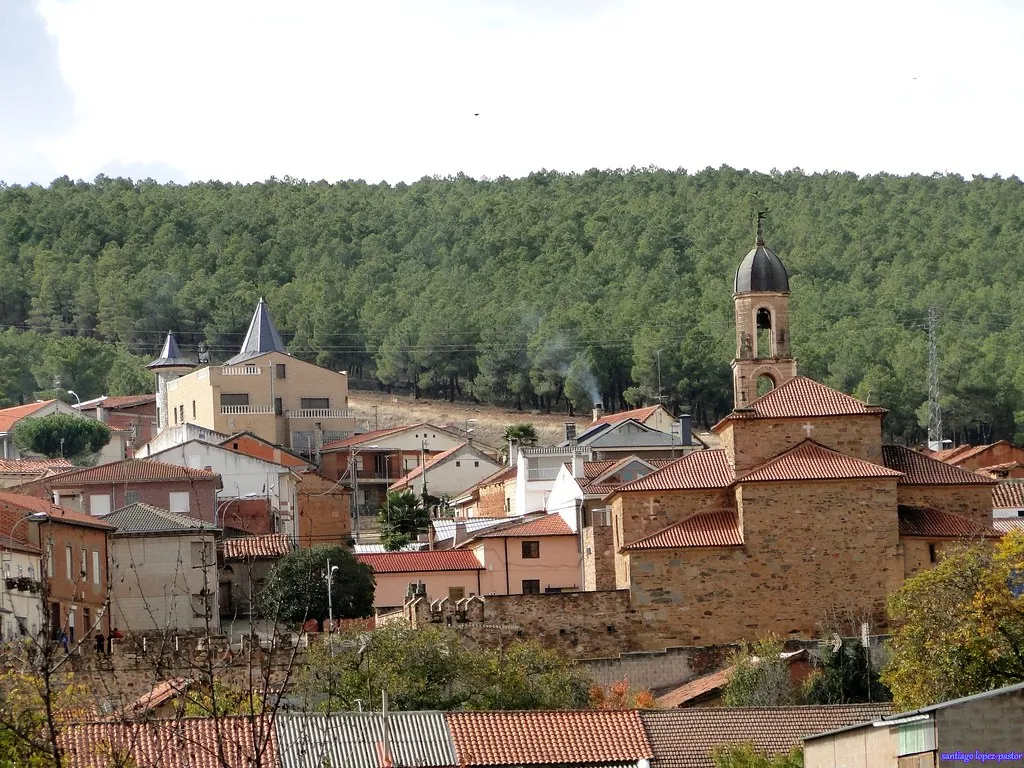
Houses cluster round the 16th-century parish church of San Pedro like chicks round a hen. The building is open for Mass at 11:00 Sunday and 19:30 weekday evenings; turn up at other times and you’ll need to ask in the bar opposite for the key. Inside, the nave is cool and plain—no gilded altarpiece, just a carved stone font and a single baroque saint who lost most of his fingers to enthusiastic children. Outside, walls are the colour of dry biscuits, a mix of adobe brick and river pebbles held together with centuries of whitewash. Look up and you’ll see timber balconies once used for airing blankets and gossip; look down and the pavement is granite setts worn smooth by oxen shoes.
A five-minute stroll east brings you to the old washing trough, fed by a channel diverted from the Duerna. Women still scrub carrots here after harvest, sleeves rolled high, mobile phones tucked into plastic baskets to keep off the spray. It’s a working scene, not a heritage diorama, so stand back if you don’t want splash-back on your trainers.
Paths for the curious, not the heroic
The countryside starts where the tarmac ends. A lattice of farm tracks heads north towards the river meadows and south onto the meseta proper. None are way-marked in English, but the logic is simple: follow the hedge of poplars and you hit water; follow the electricity pylons and you reach La Bañeza in 8 km. Spring brings red poppies between the wheat rows; by late June the land turns gold and the air smells of biscuit again. Booted hikers sometimes complain the terrain is “too flat”, yet the views stretch 40 km on a clear day, all the way to the snow-dusted peaks of the Cordillera Cantábrica. Take water—there are no cafés once you leave the village, only the occasional honesty box selling eggs at €1.50 a dozen.
Cyclists fare better: the CV-232 linking Cebrones to the A-231 is smooth and quiet before 10 a.m.; after that grain lorries thunder past kicking up chaff. Mountain-bikes can loop south through Villanueva de la Fuente and back along the Órbigo towpath, 28 km door to door, zero climbs worth mentioning.
Things you can eat and moments you can join
Hunger is solved in one of two bars—both open only when the owner feels like it, generally 08:00-11:00 for coffee and 14:00-16:00 for lunch. Menus are chalked daily: cocido stew on Tuesdays, garlic soup when the weather turns, river trout if a neighbour went fishing. Prices hover round €9 for a three-course menú del día; wine from nearby Toro is poured into short glasses without ceremony. Cards are accepted only if the terminal feels like connecting, so keep a €20 note folded in your pocket.
Market day is non-existent, yet produce changes hands faster than in most supermarkets. Ask the barman whose lettuce looks crisp and you’ll be directed to a house three doors down where Martina sells surplus veg from a crate on her step. Expect knobbly tomatoes, bunches of oregano tied with twine and, in October, a paper bag of creamy white beans labelled simply “del río”. If you’re self-catering, stock up in La Bañeza first: the Dia supermarket there has UK-friendly teabags and semi-skimmed milk, comforts you won’t find in Cebrones.
Fiestas punctuate the farming calendar. The big one is San Pedro, 29 June, when the square fills with folding tables and the village devours an entire calf roasted on a makeshift spit. Visitors are welcome but seats aren’t reserved; turn up at 14:00 sharp or eat standing. Mid-May sees San Isidro, patron of ploughmen: locals dress tractors in plastic flowers, parade to the church and return for an afternoon of churros and anisette. The event wraps up by 18:00—perfect if you need to drive back to León for an evening flight.
How to arrive without cursing the map
The nearest airport is León (VLL), served from London Stansted via Madrid in under four hours with hand-luggage-only fares hovering round £45 each way off-season. Hire desks close at 20:00 sharp; miss that and you’re sleeping in the terminal. From León it’s 45 minutes west on the A-231, exit 340, then five km of single-track road where wheat brushes both wing mirrors. Trains reach León from Madrid Chamartin in 2 h 20 min; a taxi from the station to Cebrones costs €55—book the day before or you’ll wait an hour while the sole driver finishes lunch. Buses? Forget it. The weekday service to La Bañeza times its arrival to coincide with the village siesta, leaving you marooned until 19:00.
Accommodation is limited to two licensed rentals: “La Montaña Mágica” apartment inside a converted hayloft (€75 per night, sleeps four, Wi-Fi strong enough for Zoom) and “El Rincón del Órbigo”, a six-bed cottage pitched at fishing parties (€140 mid-week, €180 weekends). Both provide proper coffee machines and sharp kitchen knives—rarer than you’d think in rural Spain—yet neither offers breakfast. Bring eggs, or expect a 14 km round trip for cornflakes.
What the brochures leave out
Summer nights can drop to 12 °C even after a 32 °C day; pack a fleece or discover how thin Spanish walls really are. Mosquitoes breed happily in irrigation ditches—repellent saves sanity after dusk. Weekends in July attract a modest motorcycle rally whose members like to test exhaust pipes at 02:00; light sleepers should book elsewhere or bring ear-plugs. Finally, remember the river is not a playground: currents strengthen after April showers and reeds hide ankle-grabbing roots. Paddle if you must, but keep shoes on and phone in a sealed bag.
Leave before you “do” everything and Cebrones del Río keeps its bargain: you depart calmer than you arrived, dust on your shoes, river mud under your fingernails, and the faint taste of garlic soup that no city tapas bar ever quite nails.