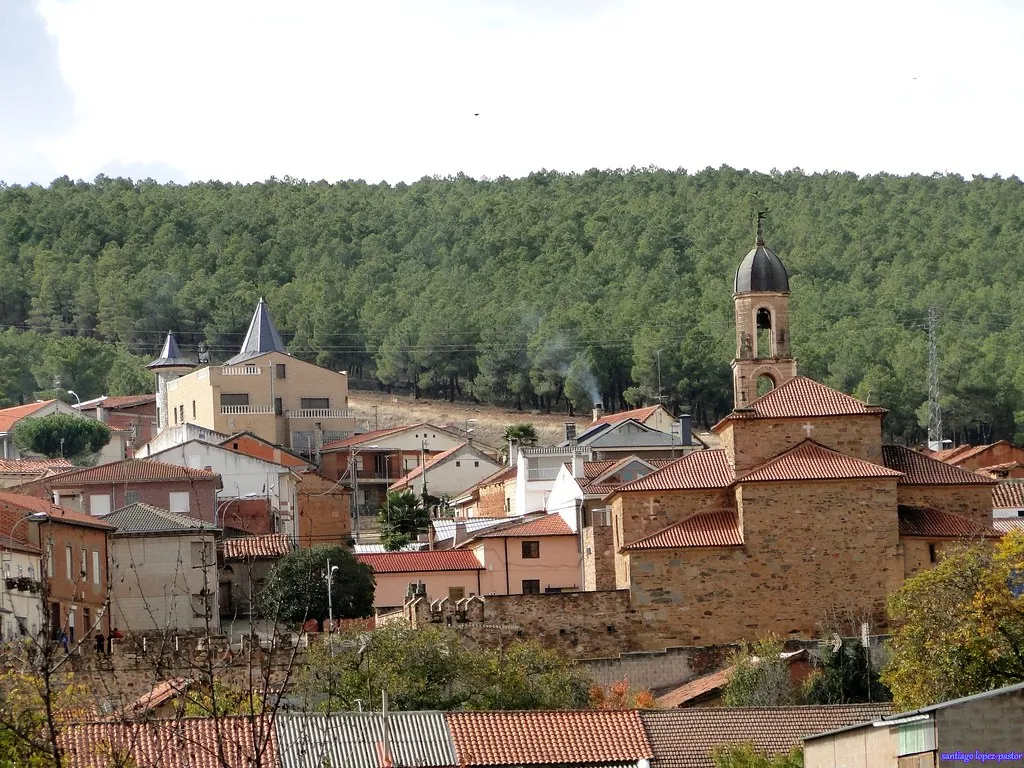
La Bañeza 24.jpg
Castilla y León · Cradle of Kingdoms

Bañeza (La)

The Wednesday market spreads across Plaza Mayor before the sun has cleared the grain silos on the edge of town. By eight o’clock, canvas awnings hi...

10,195 inhabitants · INE 2025
772m Altitude

Why Visit

Church of Santa María Carnivals

Best Time to Visit

year-round

Carnival (February) febrero

Things to See & Do
in Bañeza (La)

Heritage

  • Church of Santa María
  • Jewelry Museum
  • urban circuit

Activities

  • Carnivals
  • Graffiti tours

Festivals
& & Traditions

Fecha febrero

Carnaval (febrero), Asunción (agosto)

Las fiestas locales son el momento perfecto para vivir la autenticidad de Bañeza (La).

Full Article
about Bañeza (La)

Major commercial and farming hub; known for its Carnaval de Interés Turístico Nacional and passion for motorcycling.

Ocultar artículo Leer artículo completo

The Wednesday market spreads across Plaza Mayor before the sun has cleared the grain silos on the edge of town. By eight o’clock, canvas awnings hide the stone arcades and the air smells of chrysanthemums, raw tobacco and the damp sacking used to cover crates of La Báñezana butter beans. Stallholders shout prices in Leonese Spanish that even fluent visitors from Madrid admit they struggle to follow. This is not a folkloric show put on for visitors; it is simply how La Bañeza has done business since 1163, when Alfonso VII granted the weekly charter that still underpins the local economy.

At 772 m above sea level, the town sits on a wind-scoured plateau forty minutes south of León city. The surrounding wheat sea changes colour every month: pale limestone in winter, emerald after April showers, then a dull gold that cracks underfoot by late July. It is practical, workaday country, and the town behaves accordingly. Farmers park pickups on the central pedestrian crossings, and the 10,000-strong population swells by another thousand each market day when neighbours from villages such as Castrotierra or Valderas come in to haggle over tractor parts and seed potatoes.

What passes for “old” in a town that never aimed to be pretty

Start at the Iglesia de Santa María, a fifteenth-century rebuild that squats in the middle of Calle Mayor like a referee breaking up traffic. The doorway is plateresque, the bell-tower more functional than elegant; inside, the main attraction is a polychrome altarpiece whose paint is flaking faster than the restoration budget can chase it. Round the corner, the smaller Iglesia de El Salvador offers a quieter fifteen-minute diversion: look for the Roman inscription reused as a lintel—evidence that the site has been sacred far longer than either church has stood.

Civil architecture is patchy. A handful of nineteenth-century manor houses with wooden balconies survive among 1970s brick blocks, their coats of arms half erased by weather and exhaust fumes. The Plaza Mayor itself was remodelled in 2008; the stone colonnades are new, the cafés underneath less so. Order a cortado at Cafetería Cervantes and you will be served on aluminium tables that rattle every time a delivery lorry squeezes past. It is not picturesque, but it is honest, and the people-watching compensates: priests debating football with butchers, teenagers sharing headphones, elderly women in housecoats buying single cigarettes from the kiosko.

Three kilometres west of town, the Santuario de Nuestra Señora de Castrotierra rises from a wheat field like a stone ship. The building is baroque-overloaded, yet the location justifies the short drive: on clear days you can trace the line of the Camino de Santiago as it approaches Hospital de Órbigo. Pilgrims rarely detour this far, so you may have the panorama to yourself—apart from the farmer who parks his tractor beside the porch and treats the forecourt as an unofficial workshop.

Eating schedules and other small battles

British stomachs should reset their clocks. Lunch happens at 14:30 minimum; turn up at 12:45 and even the most welcoming bar will offer only crisps and despair. The set-menu comida del día costs €12–14 and usually runs to judiones stewed with pork rib, followed by lechazo (milk-fed lamb) or grilled cecina (air-cured beef). Vegetarians get a break with pimientos de La Bañeza—sweet green peppers fried and showered with salt—though menus rarely advertise them; ask. Dinner is lighter and starts at 21:00; most kitchens close by 22:30, so the phrase “let’s eat late” carries little currency here.

Saturday is the gastronomic sweet spot. That is when Asador Las Brasas on Avenida de Zamora fires up the oak grill and locals queue for chuleta de buey thicker than a paperback. Arrive before 20:00 or prepare to wait on the pavement with a plastic cup of rosado from Tierra de León—light, strawberry-scented and mercifully low in alcohol after a day of high-plateau sun.

Using the town as a base, not a destination

Staying overnight makes sense only if you have transport and an interest in empty roads. From La Bañeza, the LE-533 drops south-east toward Astorga across 35 km of roller-coaster wheat plains popular with road cyclists; gradients are gentle, traffic thin, and the only climbs are the overpasses that cross the AP-71. Mountain bikers will be underwhelmed: the surrounding fields are privately owned and signed hiking loops are short, flat and sporadically way-marked. Better to rent a car, drive 25 minutes to the Valle del Tuerto and walk the ruined Roman gold mines at Las Médulas—an other-worldly canyon of red pinnacles that explains where all the town’s early wealth came from.

Winter access is straightforward—snow falls, but the N-120 is gritted—yet daylight is stingy and the wind can knife through even quality down jackets. April–May and late September offer the kindest light, mild afternoons and café terraces warm enough to linger without propane heaters. August fiestas bring brass bands and all-night verbenas, but accommodation triples in price and the single three-star hotel sells out months ahead.

Cash, coffee and closing days

Cards are accepted in the supermarket and the filling station, nowhere else reliably. Withdraw funds before arrival; the only ATM sometimes runs dry on market morning. Coffee etiquette is non-negotiable: order café con leche after 11:00 and you will mark yourself as either ill or foreign. Spaniards switch to cortado or solo; play along. Finally, remember that almost everything shuts on Sunday except the bakery opposite the church, which opens until 13:00 and sells excellent churros—useful if the bus back to León does not leave until mid-afternoon.

La Bañeza will never make the cover of a glossy Spain supplement. It is busy, slightly scruffy and resolutely indifferent to the tourist agenda. That, for some, is precisely the appeal: a place where the market smells of soil rather than soap, where churches are used for worship not selfies, and where the beans really do taste better because they were grown in the field you passed on the way in. Come for the Wednesday market, stay for lunch, then head onward—preferably with a plastic bag of butter beans swinging from the handlebars and a new appreciation for towns that refuse to perform.

Key Facts

Region
Castilla y León
District
Tierra de La Bañeza
INE Code
24010
Coast
No
Mountain
No
Season
year-round

Livability & Services

Key data for living or remote work

2024
ConnectivityFiber + 5G
TransportTrain 14 km away
HealthcareHealth center
EducationHigh school & elementary
Housing~5€/m² rent · Affordable
CoastBeach 20 km away
Sources: INE, CNMC, Ministry of Health, AEMET

Planning Your Visit?

Discover more villages in the Tierra de La Bañeza.

View full region →

More villages in Tierra de La Bañeza

Traveler Reviews