Full Article
about Santa Elena de Jamuz
Known for its traditional pottery and the castle of Villanueva de Jamuz
Hide article Read full article
Santa Elena de Jamuz: cuando el paisaje es plano y la vida, también
Santa Elena de Jamuz es ese tipo de pueblo que te recuerda a cuando eras pequeño y pasabas el verano en casa de tus abuelos. No pasa nada, literalmente. Y esa es la gracia. No vengas buscando miradores épicos o calles empedradas para una foto perfecta. Vienes a esto: a aparcar donde puedas (que no será un problema), dar un paseo y entender cómo se vive en esta llanura infinita de León.
Con poco más de mil habitantes, forma parte de esa Tierra de La Bañeza que parece hecha a base de campos de cereal y cielo. Al principio, todo se ve igual. Luego te fijas en el tractor que vuelve a las dos de la tarde, en el corral con gallinas detrás de una tapia o en el sendero de tierra que se pierde entre las parcelas. El paisaje no te golpea; te va calando.
Un paseo por calles que huelen a pueblo
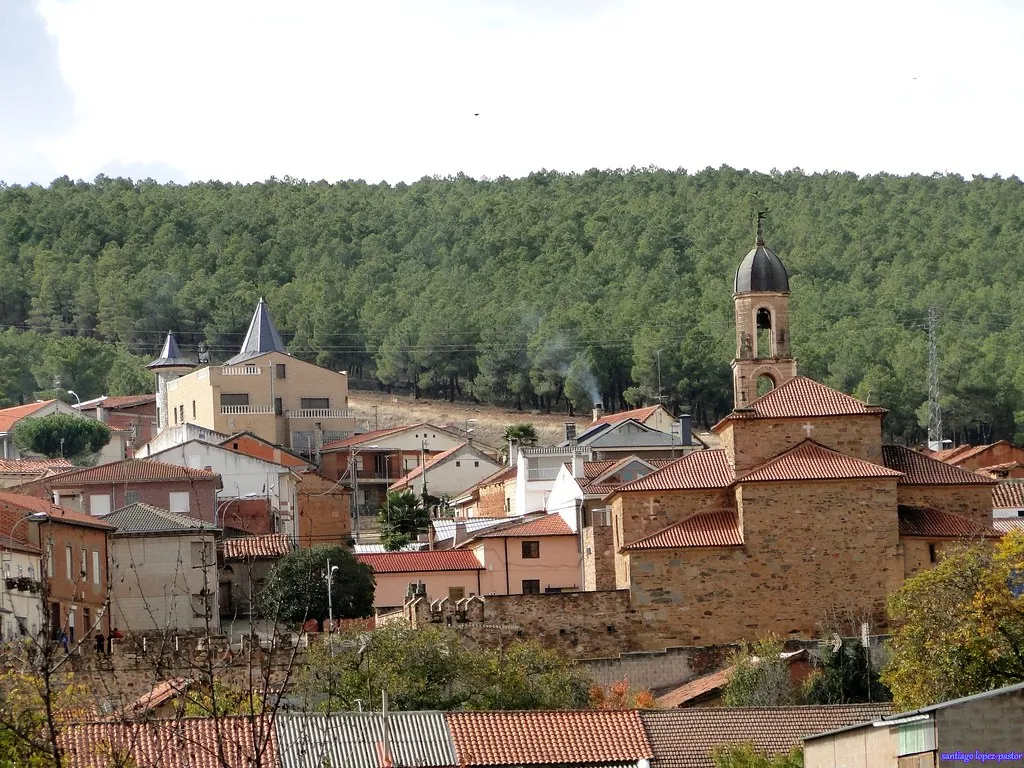
El centro lo marca la iglesia de Santa Elena. Tiene una torre cuadrada y paredes claras, la típica que reconoces al entrar. No es una catedral, pero lleva siglos viendo bautizos, funerales y fiestas patronales. A su alrededor, las calles son anchas y prácticas.
Las casas lo dicen todo: portones grandes para meter el coche o el tractor, patios interiores donde se guardaba la leña y hasta alguna bodega subterránea. Aquí la arquitectura no era para impresionar al vecino, era para sobrevivir al invierno y trabajar mejor. Sabes que estás en un pueblo agrícola cuando ves que la vivienda, el corral y la huerta forman un solo bloque.
Lo mejor es caminar sin rumbo. Verás una pared remendada con materiales distintos, un carro viejo apoyado en una fachada o unos tomates creciendo en un bancal. Nada está puesto para ti, y por eso tiene sentido.
Los campos: donde el silencio es el protagonista
Olvídate de montañas. El paisaje alrededor de Santa Elena de Jamuz es plano como la mesa de tu cocina. Son kilómetros de cereal que cambian con las estaciones: verde intenso en primavera, oro quemado en verano, tierra desnuda después de la cosecha.
Una red de pistas agrícolas sale del pueblo en todas direcciones. Son caminos de tierra compacta, ideales para andar o ir en bici. No hay un "mirador" como tal; el atractivo está en el silencio absoluto, solo roto por el motor lejano de un tractor o el aleteo de una perdiz.
Es el sitio perfecto para eso que llamamos "dar una vuelta". Coges una pista, caminas media hora porque sí, das la vuelta y te vuelves. La recompensa no es llegar a ningún sitio; es haber estado allí.
Fiestas y rutina: dos velocidades distintas
Si vienes en verano, durante las fiestas patronales, notarás otro ambiente. Gente que vive fuera vuelve, hay baile en la plaza y se organizan cosas. Es cuando el pueblo recupera algo del bullicio antiguo.
El resto del año, la vida sigue otro compás. La Semana Santa se vive con recogimiento, con procesiones cortas por las calles tranquilas. El ritmo lo marcan más los ciclos del campo —la siembra, la siega— que el calendario turístico.
Para qué sirve venir aquí
Te lo digo claro: Santa Elena de Jamuz no es un destino para un fin semana completo ni tiene una lista de "imprescindibles". Funciona como una parada tranquila dentro de una ruta por La Bañeza.
La fórmula es sencilla: pasea por sus calles, échate al campo por una pista cualquiera y siéntate un rato a observar. En un par de horas has captado la esencia del lugar.
A veces viajar no es ver cosas espectaculares; es parar en un pueblo como este, donde nada parece ocurrir, y salir con la sensación rara de haber entendido algo del territorio. Santa Elena funciona bien para eso