Full Article
about Aguasal
A sparsely populated municipality in Tierra de Pinares, it keeps the appeal of Castilian villages ringed by farmland and nature.
Ocultar artículo Leer artículo completo
The engine cuts out and the silence hits like a physical thing. Eighteen souls call this place home, though you'd swear the number was smaller when the wind carries away the last echo of your car door. At 755 metres above sea level, Aguasal squats in the Tierra de Pinares with the kind of indifference to visitors that most villages lost decades ago. There's no welcoming committee, no helpful orientation board, just the smell of pine resin and the certain knowledge that you've left the Spain of guidebooks far behind.
The Architecture of Absence
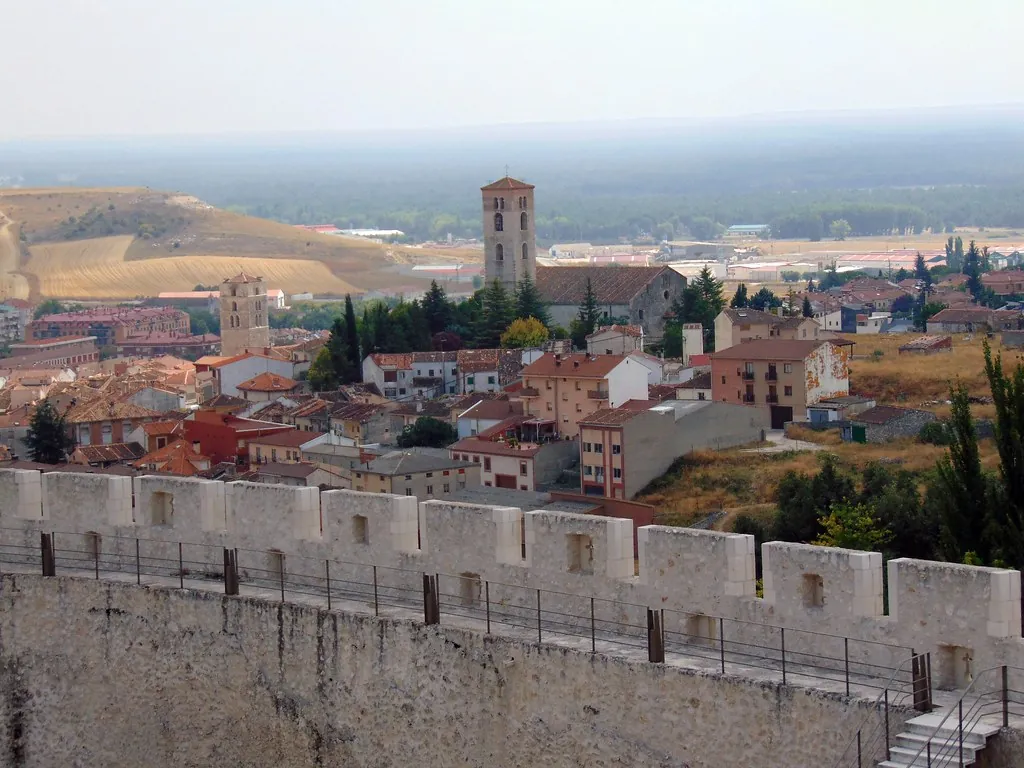
What passes for Aguasal's centre reveals itself slowly. Adobe walls the colour of burnt cream lean against each other for support, their Arabic tiles patched with whatever came to hand. The church stands locked tight nine days out of ten, its modest bell tower more functional than decorative. When the priest does arrive for the monthly service, locals materialise from nowhere, proof that rumours of the village's complete abandonment have been exaggerated.
The buildings tell their own story, written in timber and clay rather than marble and stone. Pine beams blackened by centuries of woodsmoke support upper floors that sag with the weight of generations. Doorways shrink from their original heights – medieval Castilians were considerably shorter than their modern descendants. Lean over any tumbledown wall and you'll spot the telltale sparkle in the soil that gave Aguasal its name: salt water springs that once made this spot marginally less hostile to human settlement.
Walk the single street slowly. Notice how the newer concrete constructions sit awkwardly beside their adobe elders, like teenagers embarrassed by their grandparents. The village's last proper shop closed in 1998. The bar followed suit in 2003. These facts aren't advertised – they're discovered when you try to buy a bottle of water and realise you'll need to drive fifteen kilometres to the nearest functioning business.
Forests That Remember
Beyond the final house, the real Aguasal begins. Pine plantations stretch to every horizon, their uniform ranks broken by the occasional holm oak that refused to bow to commercial forestry. The resin industry's glory days ended here in the 1980s, but its scars remain visible on ancient trunks where metal spikes once drew amber tears from the living wood. Touch the bark and your fingers come away sticky with memory.
The tracks leading into these woods weren't built for Sunday strollers. They're working roads, designed for timber lorries and hunters' four-wheel drives. Follow one for twenty minutes and the village shrinks to irrelevance behind you. The silence changes quality here – less empty, more expectant. Crossbills work the cone tips overhead, their metallic calls echoing through branches that filter sunlight into shifting green mosaics.
Autumn transforms the forest floor into a forager's lottery. Boletes and milk caps push through the pine needles, though distinguishing edible from lethal requires knowledge that no smartphone app has yet mastered. The local mycological society posts collection limits at the forest entrance: two kilograms per person, no commercial picking, permits required for anything beyond personal consumption. Enforcement is theoretical rather than actual – out here, you're on your honour and your own.
The Mathematics of Isolation
Practicalities first: you will need a car. Public transport reaches only the neighbouring town of Mojados, eleven kilometres distant, and even that service operates on a timetable best described as aspirational. From Madrid's Barajas airport, it's ninety minutes northwest on the A-6 and A-62 motorways, then twenty minutes of increasingly narrow roads that test your suspension and your nerve. Valladolid's smaller airport cuts the journey to forty minutes, though you'll pay considerably more for the privilege of landing there.
Accommodation within Aguasal itself doesn't exist. The nearest beds lie scattered through neighbouring villages – converted farmhouses offering rustic rooms at €60-80 per night, breakfast negotiable. Book ahead during mushroom season when Madrid's weekend foragers descend en masse. The village makes an excellent base for walking or cycling, provided you bring everything you need. The last petrol station stands twenty-two kilometres away in Medina del Campo; ignore the fuel gauge at your peril.
Weather behaves differently at this altitude. Summer mornings start fresh, heating up rapidly by midday when the pine forests exhale their distinctive perfume. Winters bite hard – the altitude means snow arrives earlier and stays longer than in Valladolid city. Spring and autumn offer the sweet spot: mild days, cold nights, and that crystalline light that makes the resin glisten like frost on the tree trunks.
Eating on the Edge
Food requires planning. Aguasal's lack of commercial facilities means you'll eat elsewhere or not at all. The regional speciality of roast suckling lamb demands twenty-four hours notice at restaurants in Mojados or Medina del Campo, where €25-30 buys you half a tender animal with roast potatoes and little ceremony. Local lentils arrive flavoured with chorza from the annual pig slaughter – hearty fare that makes sense when you've been walking the forest tracks all morning.
Pack supplies if you're day-tripping. The supermarket in Mojados opens 9am-2pm then 5pm-9pm, closed Sundays entirely. Spanish shopping hours operate on their own logic; attempting to buy bread at 3pm teaches patience and the location of the nearest vending machine. Water from the village fountain runs potable, tasting faintly of the minerals that give Aguasal its name – slightly saline, distinctly mineral, entirely free.
The village won't suit everyone. Children grow restless within minutes of arrival. Instagram influencers leave disappointed – there's no picturesque plaza, no photogenic bar where weathered locals play dominoes for the camera. What exists instead is something increasingly precious: a place that refuses to perform its authenticity for passing trade. Aguasal simply is, has been, and presumably will continue being until the last adobe wall finally surrenders to gravity and the pines reclaim their territory.
Come prepared, come quietly, and the village might reveal why eighteen people still choose this isolation over the convenience of anywhere else. Fail to respect its indifference and you'll find yourself driving away within the hour, hurrying towards somewhere that actually wanted you to visit.