Full Article
about Aguilafuente
Historic town where Spain’s first book was printed; it has Roman remains and a rich cultural legacy.
Hide article Read full article
Aguilafuente en la Tierra de Pinares
Aguilafuente se encuentra en la provincia de Segovia, dentro de la comarca de la Tierra de Pinares. El paisaje lo explica: suelos arenosos, extensiones de pinar y parcelas de cultivo entremedias. La vida aquí ha girado históricamente en torno al bosque, a la resina y a la agricultura. No es un pueblo de paso hacia ningún monumento mayor; es un destino por sí mismo, con una población que ronda los quinientos habitantes.
Su trazado es el de un núcleo tradicional. Las calles confluyen en la plaza y en la iglesia parroquial, sin grandes alteraciones recientes. Se nota que es un lugar que funciona para quienes viven en él, no un decorado. El nombre suele relacionarse con los manantiales y arroyos presentes en una zona mayoritariamente forestal, un detalle geográfico no menor.
La iglesia de San Juan Bautista
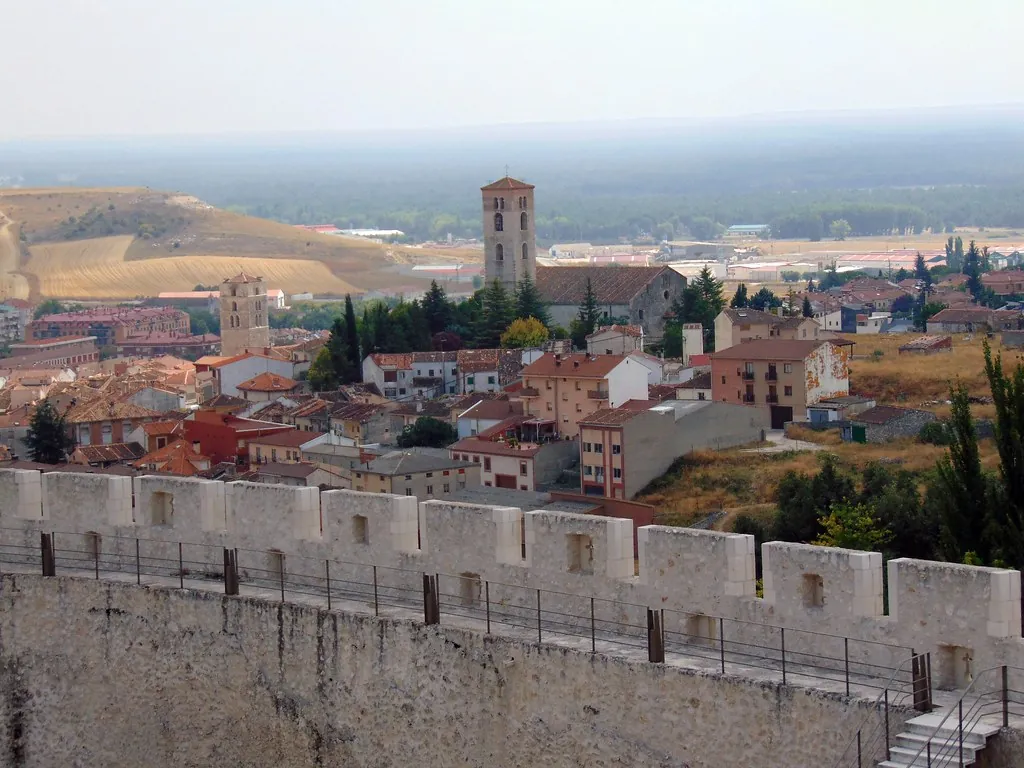
La iglesia de San Juan Bautista domina el perfil del pueblo. Su arquitectura muestra varias fases, con reformas notables durante los siglos XVI y XVII. La torre sirve de referencia visual desde buena parte del casco urbano. No es una catedral, pero su solidez y posición central hablan de su papel en la comunidad.
Alrededor de la plaza principal se ven casas de distintas épocas. En algunas fachadas hay blasones de piedra, restos de un pasado en el que ciertas familias tenían relevancia local. Los materiales son los habituales en esta parte de Segovia: combinaciones de adobe, ladrillo y mampostería. Merece la pena fijarse en los detalles constructivos, como los muros gruesos o los patios interiores, que muestran cómo se construía aquí con lo que había a mano.
El pasado romano y el entorno
En el término municipal se localizaron los restos de una villa romana, incluidos fragmentos de mosaico. Los hallazgos confirmaron una ocupación estable durante el período imperial. Parte del material se exhibe y explica en un espacio dedicado a la arqueología local.
El yacimiento no es monumental, pero sitúa a Aguilafuente dentro de la red de asentamientos rurales que abastecían a las ciudades de la meseta. La presencia de agua y tierra cultivable hizo posible esa actividad. Al salir del pueblo, hacia el pinar, se entiende que este ha sido siempre un paisaje productivo.
El bosque, la resina y los caminos
El pinar que rodea Aguilafuente define el carácter de la comarca. Durante gran parte del siglo XX, la extracción de resina fue una actividad económica clave. En algunos troncos aún se ven las cicatrices de las incisiones hechas para recolectarla. Esa práctica marcó la economía y también la fisonomía del bosque.
Una red de pistas y caminos agrícolas atraviesa el monte, conectando Aguilafuente con otros pueblos. El terreno es llano, apto para paseos a pie o en bicicleta sin grandes desniveles. Es un paisaje funcional, sin grandes pretensiones escénicas. En verano conviene tener presente que la sombra es irregular y que no hay fuentes una vez se sale del núcleo urbano.
Comida y calendario
La cocina local parte de lo que da el entorno. El cordero asado forma parte de la tradición segoviana más amplia y aquí se prepara, sobre todo, en celebraciones familiares. En otoño, el monte proporciona setas como níscalos o setas de cardo, que suelen cocinarse de manera sencilla.
Los guisos de legumbres y los productos derivados de la matanza tradicional del cerdo siguen presentes en muchas casas cuando llega el frío. No es una gastronomía de reinvención, sino de continuidad y aprovechamiento estacional.
Las fiestas patronales en honor a San Juan Bautista se celebran a finales de junio. En agosto, el pueblo gana movimiento con el regreso de familias que viven fuera el resto del año. La plaza recupera entonces un bullicio que se atenúa durante los meses invernales.
Cómo moverse y qué llevar
El casco urbano se recorre a pie en una hora, sin prisa. Para entender bien Aguilafuente, hay que salir a los caminos del pinar. Desde allí se ve con claridad la relación entre el pueblo y el bosque que lo sustenta. Conviene calzado adecuado para caminar por tierra y, en verano, agua y protección solar.
No es un lugar de grandes monumentos, sino de conexiones visibles entre el pasado rural, el paisaje y la vida cotidiana que aún se ajusta a sus ritmos.