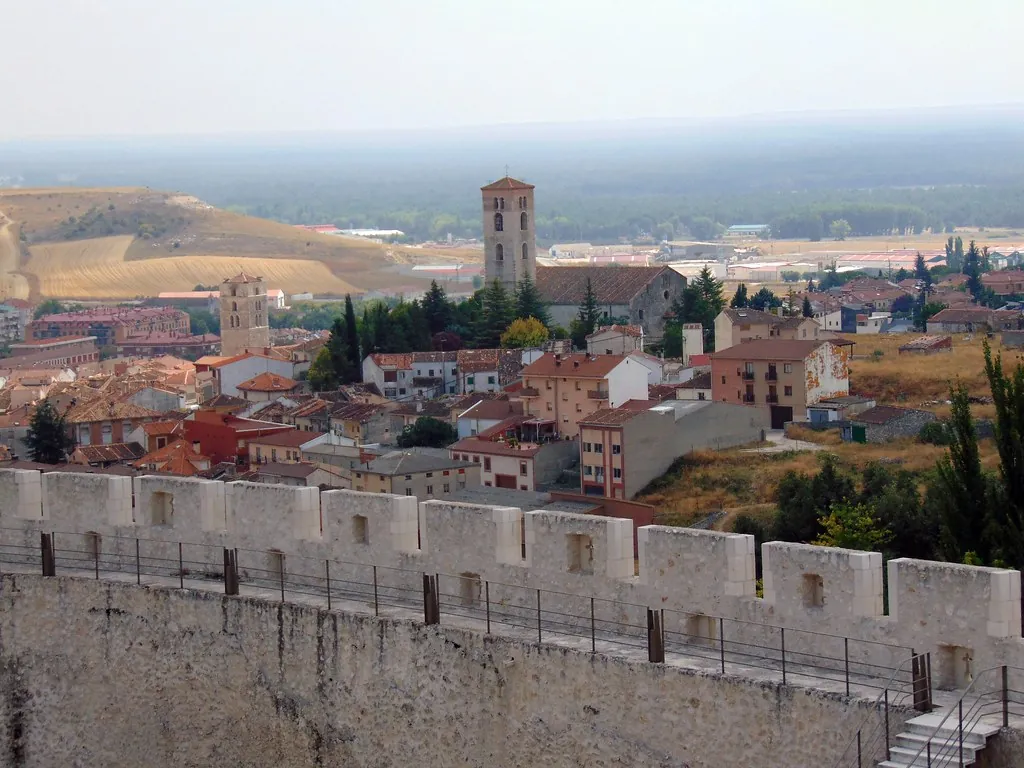
Boecillo - Flickr
Iglesia en Valladolid · Flickr 5
Castilla y León · Cradle of Kingdoms

Boecillo

The morning commuter bus from Valladolid disgorges software engineers alongside pensioners clutching shopping baskets. Within minutes, both groups ...

4,446 inhabitants · INE 2025
721m Altitude

Why Visit

Church of San Cristóbal Winery visits

Best Time to Visit

year-round

San Cristóbal (July) septiembre

Things to See & Do
in Boecillo

Heritage

  • Church of San Cristóbal
  • traditional wineries

Activities

  • Winery visits
  • Hiking along the Cega

Festivals
& & Traditions

Fecha septiembre

San Cristóbal (julio), Virgen de la Salve (septiembre)

Las fiestas locales son el momento perfecto para vivir la autenticidad de Boecillo.

Full Article
about Boecillo

Residential and tech town with a business park; it keeps traditional wine cellars and pine-forest surroundings minutes from the capital.

Ocultar artículo Leer artículo completo

The morning commuter bus from Valladolid disgorges software engineers alongside pensioners clutching shopping baskets. Within minutes, both groups disappear into their separate worlds—one cohort towards glass-walled offices, the other towards the bakery that's been turning out the same rosquillas since 1978. This is Boecillo's daily choreography: a village where Spain's digital future shares pavement space with Castilla y León's agricultural past.

At 735 metres above sea level, the village sits high enough on the northern meseta to escape Valladolid's summer furnace, though the difference is measured in single degrees rather than dramatic relief. The topography doesn't inspire hiking maps—this is cereal country, where horizons stretch until they blur into summer haze. What the landscape lacks in vertical drama it compensates for in pine-scented air and proper darkness after nightfall, something that's becoming increasingly precious in central Spain.

The split personality emerges immediately. Drive in from the A-62 and you'll pass industrial units before spotting the 16th-century church tower. The Technology Park—home to 150 companies and 4,000 employees—occupies more municipal land than the historic core. During weekday lunch hours, its cafeterias serve everything from quinoa salads to menú del día while traditional bars in the village centre stick to lechazo and judiones. The contrast works because neither side pretends to be what it's not.

Between Pine Forests and Parking Lots

The old quarter clusters around Plaza de España, compact enough to circumnavigate in ten minutes. Adobe walls bulge slightly, baked to terracotta hardness by decades of continental climate—scorching summers, winters that regularly touch -5°C. The Church of San Miguel Arcángel anchors the square, medieval bones clothed in subsequent centuries' additions. Inside, the afternoon light filters through modern stained glass onto a 15th-century font where generations of Boecillanos have been christened. It's open most mornings; ring the bell if the door's locked—someone usually appears within minutes.

Wander two streets east and the architecture shifts from ochre vernacular to 1990s apartment blocks. This isn't urban sprawl but planned expansion, built to house families priced out of Valladolid. The transition happens so abruptly that one minute you're navigating cobblestones, the next you're on a pavement wide enough for pushchairs and wheelie bins. British visitors expecting whitewashed perfection sometimes find this jarring; locals appreciate having a health centre that opens on Saturdays.

The real village life happens in the pine plantations encircling the urban area. Here, pino piñonero and resinero create a proper forest, not ornamental municipal planting. Tracks suitable for sturdy trainers radiate outwards—walk fifteen minutes and the only sounds are wind through needles and the occasional chainsaw. Autumn brings mushroom hunters; spring brings families gathering wild asparagus. The paths are unsigned but follow the main rides and you can't get lost—the motorway hum always indicates north.

Eating on the Meseta

British palates sometimes struggle with Castilian cuisine's blunt honesty. Boecillo's restaurants don't do delicate—they do proper food. At Las Brasas de Boecillo, the €14 menu del día starts with sopa castellana (basically garlic bread soup) followed by grilled lamb that arrives sizzling on a ceramic tile. They'll cook your steak en su punto if you ask; don't bother requesting rare unless you want raised eyebrows. The house red comes from nearby Cigales and costs €2.50 a glass—rustic, but it washes down the meat.

El Yugo provides a more contemporary take on tapas, though still recognisably Spanish. Order half-raciones to taste more dishes—the honey-glazed pork ribs satisfy that strange British craving for sweetness with meat. Their white Rueda wine, served ice-cold, tastes of green apples and costs a third of what you'd pay in London. Service is efficient rather than effusive; this is working Valladolid's commuter belt, not the Costas.

Sunday lunch brings families who've driven out from the city. Book ahead or queue with hungry toddlers. Most places close by 5 pm—Boecillo's nightlife consists of one bar that stays open until midnight. British couples have been known to panic-buy supermarket wine when they realise everything's shutting; plan accordingly.

Practical Realities

Getting here requires accepting Spain's regional transport logic. Valladolid Airport runs flights from London Stansted twice weekly on Ryanair. From the airport, take the shuttle to Valladolid bus station (€3, 20 minutes) then line 2 to Boecillo (€1.20, 25 minutes). Buses run hourly until 10 pm; miss the last one and a taxi costs €20. Hiring a car at the airport makes more sense if you're staying longer than a weekend—Boecillo has no rental desks.

The 12-kilometre journey to Valladolid takes fifteen minutes by car but feels psychologically further. Locals who work in the city speak of "going into Valladolid" with the same resignation British commuters reserve for London. The bus service works for office hours but abandon thoughts of late-night tapas followed by public transport home. British visitors have been stranded after underestimating this; Cabify barely operates here.

Winter visits bring proper cold—temperatures regularly drop below freezing from December through February. Snow isn't guaranteed but frost patterns the windscreens most mornings. Summer delivers the meseta's brutal heat; 35°C is normal, 40°C possible. Spring and autumn provide the sweet spot, though pack layers regardless—the altitude creates temperature swings that catch out visitors expecting consistent Mediterranean warmth.

What Boecillo Isn't

This isn't a destination for tick-box tourism. The historic centre occupies perhaps ten streets. There's no Saturday market, no artisan shops, no evening paseo that resembles a Spanish film set. British travel writers searching for authentic Spain sometimes dismiss it as soulless; they're missing the point. Boecillo represents how most Spaniards actually live—commuting to work, shopping at supermarkets, balancing tradition with the need to pay mortgages.

The Technology Park's presence keeps the village economically viable but visually ordinary. Glass office blocks aren't photogenic, though their cafeterias serve decent coffee at non-tourist prices. Between 9 am and 6 pm, the population effectively doubles with engineers and administrators who rarely venture into the old quarter. Evenings and weekends, the place reverts to its village rhythm—children playing football in the square while grandparents gossip on benches.

Those willing to engage with this everyday Spain find rewards. Bar owners remember your coffee order by the second morning. The bakery gives children a biscuit while parents queue for bread. Walkers share mushroom spots without expecting anything in return. It's hospitality without performance—genuine rather than professional.

Boecillo works best as a peaceful base rather than a primary destination. Stay here, explore Valladolid's museums and restaurants, retreat to pine-scented quiet when city fatigue sets in. Accept the commute, embrace the ordinary, and you'll glimpse a Spain that package tourists never see—functional, unpretentious, quietly confident in its identity. Just don't expect chocolate-box charm.

Key Facts

Region
Castilla y León
District
Tierra de Pinares
INE Code
47023
Coast
No
Mountain
No
Season
year-round

Livability & Services

Key data for living or remote work

2024
ConnectivityFiber + 5G
TransportTrain nearby
HealthcareHospital 10 km away
EducationElementary school
Housing~6€/m² rent · Affordable
CoastBeach nearby
Sources: INE, CNMC, Ministry of Health, AEMET

Planning Your Visit?

Discover more villages in the Tierra de Pinares.

View full region →

More villages in Tierra de Pinares

Traveler Reviews