Full Article
about Cabezuela
Active village in the Pinares region; known for its farming and local fiestas.
Hide article Read full article
Cabezuela, o cuando el pueblo acaba y empieza el pinar
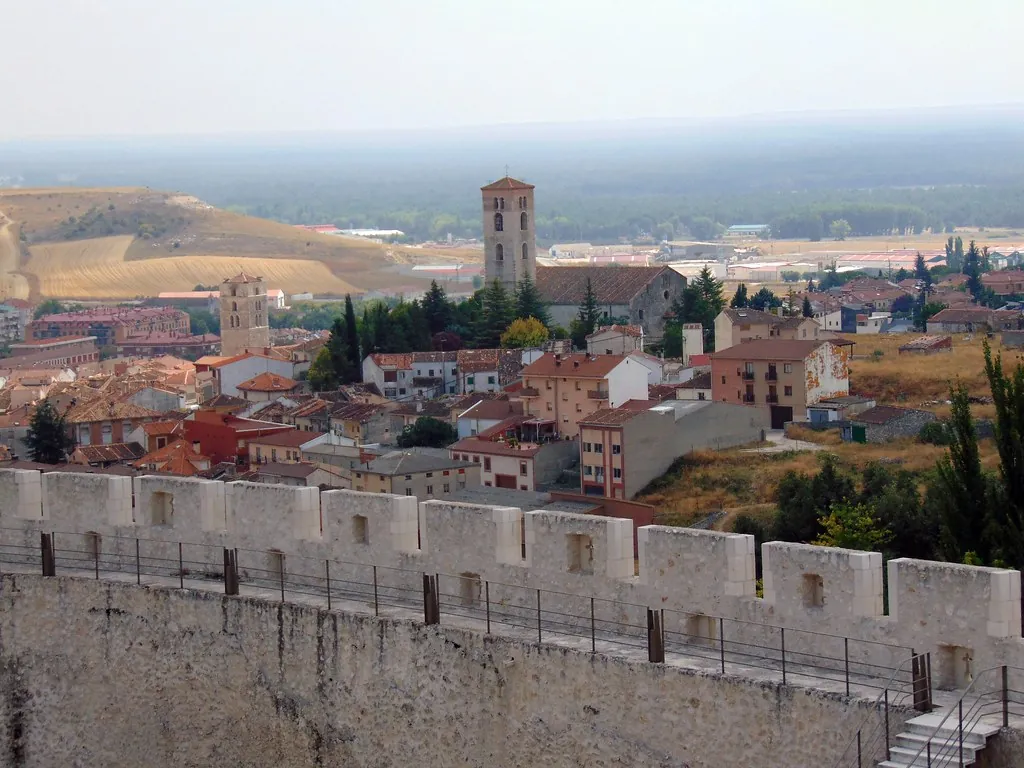
Hay sitios donde la vida tiene otro ritmo. No me refiero a esos pueblos de postal con flores en cada balcón, sino a algo más cotidiano: calles donde el sonido más frecuente es una conversación entre vecinos, y la única prisa la marca el sol. Cabezuela, en plena Tierra de Pinares segoviana, es uno de esos sitios.
Tiene poco más de seiscientos habitantes y no pretende ser otra cosa. Está a menos de una hora de Segovia capital y, si madrugas, a un par de horas de Madrid. Pero al llegar aquí, lo que manda es el terreno. Ves el primer pino casi antes de aparcar el coche. Bajo los pies, la arena ya te avisa: esto es otra cosa.
No vengas buscando una lista de monumentos. Vienes a entender cómo un pueblo y un bosque se han ido moldeando el uno al otro durante siglos.
La plaza que lo explica todo
En Cabezuela, todo pasa y vuelve a la plaza mayor. Ahí está la iglesia parroquial, de esa piedra dorada que brilla con el sol de la tarde. La rodean algunas de las casas más antiguas del pueblo.
No esperes fachadas señoriales ni escudos labrados. La arquitectura aquí es práctica: muros gruesos de piedra y adobe, puertas de madera maciza, ventanas pequeñas para guardar el calor en invierno. Un paseo por las calles aledañas te da una lección rápida de cómo se vivía aquí hace décadas. Eran casas hechas para el frío y para el trabajo del campo, no para impresionar a nadie.
Te orientas en media hora. El tamaño es humano y la plaza sigue siendo el punto natural donde todo confluye, donde las charlas se alargan sin reloj.
El bosque como patio trasero
El nombre "Tierra de Pinares" no es marketing. En Cabezuela sales del último edificio y ya estás entre pinos resineros y piñoneros. Han dado trabajo, resina y sombra a generaciones.
Los caminos son pistas arenosas que serpentean entre troncos rectos como columnas. No hay miradores espectaculares ni cumbres que conquistar. El atractivo está en caminar o pedalear kilómetros entre los árboles, muchas veces en un silencio solo roto por el crujir de las piñas bajo tus botas.
En verano, sobre todo al mediodía, el olor a resina se hace intenso. El calor lo sube desde el suelo y la luz se cuela a cuchilladas entre las ramas. En invierno cambia por completo: la tierra huele a húmedo, no hay casi nadie y el bosque adopta ese tono callado que trae el frío.
Un aviso práctico: la señalización no sobra por estos montes. Si te apetece alejarte de las pistas principales, lleva un mapa o usa el GPS del móvil. El paisaje se repite y es fácil dar más vueltas de las previstas.
La fiebre otoñal del níscalo
Cuando llega el otoño y las primeras lluvias, al pinar le entra un movimiento especial. Aparecen coches con matrículas foráneas y gente con cestas de mimbre: es temporada de setas.
El níscalo es la estrella local, pero salen otras especies según cómo venga el año en lluvias. Coger setas tiene su ciencia. Los vecinos que llevan toda la vida pisando estos bosques distinguen en un segundo lo comestible de lo peligroso. Para los que no somos expertos, la cosa no está tan clara. Lo sensato es informarse bien antes y respetar las zonas reguladas si las hay.
Ver a esa gente moviéndose lento, escudriñando entre la arena y las acículas, le da otro sentido al bosque. Es otra forma más en la que el ciclo natural marca la vida aquí.
Comida para reponer fuerzas
La mesa en Cabezuela sigue las reglas segovianas: contundente y basada en lo cercano. Cuando arrecia el frío apetece plato único que llene. El lechazo asado es un clásico regional. Le acompañan legumbres, embutidos de la matanza y guisos de cerdo que piden pan para remojar. Los piñones del entorno aparecen en dulces tradicionales e incluso en algún revuelto. No es una cocina pensada para gourmets. Es comida honesta para después de una jornada en el campo o paseando por el monte. De esas que te dejan satisfecho y dispuesto a una sobremesa tranquila.
Fiestas: cuando despierta el pueblo
La calma habitual se rompe en agosto con las fiestas patronales en honor a San Bartolomé. Durante unos días cambia completamente el ambiente. Hay pasacalles música procesiones Se nota un trasiego distinto porque se juntan los vecinos del todoel año quienes regresan por vacacionesy gente venida desde pueblos cercanos Otra cita conocida es laromeríaa la ermita dela Soledadun pequeño santuarioen un alto cercano Es una tradicióna medio caminoentre lo religioso y losocial Familia amigosy conocidos hacen juntosel camino parapasar undíade campo compartido Estos momentos sacanala superficie loslazoscomunitarios quede ordinario están ahípero sonmás discretos Durante elfiestael pueblo muestra su costado máscoraly festivo
Parar un rato (y ya está)
Cabezuela no sirve como destino único si buscas emociones fuertes. Funciona mejor como una pausa dentrodeun viaje porlaTierradePinares Como ese lugar donde bajarel ritmo duranteunas horas La clave estáenno venirconunaagenda apretada Un paseoporlas callesotroporlospinaresun ratoenlaplaza viendopasar latarde En doshorastienesla fotocompleta Para muchagenteesaesjustolagracia Unpueblodondeelbosqueempiezaenlasesquinadonde laconstrucciónse adaptaalclimayaltrabajoydondeelmejorrecuerdo puede ser simplementeeloloraresinaalmediodíaoel murmullo delaplazaalatardecer Avecessobrael tiempo