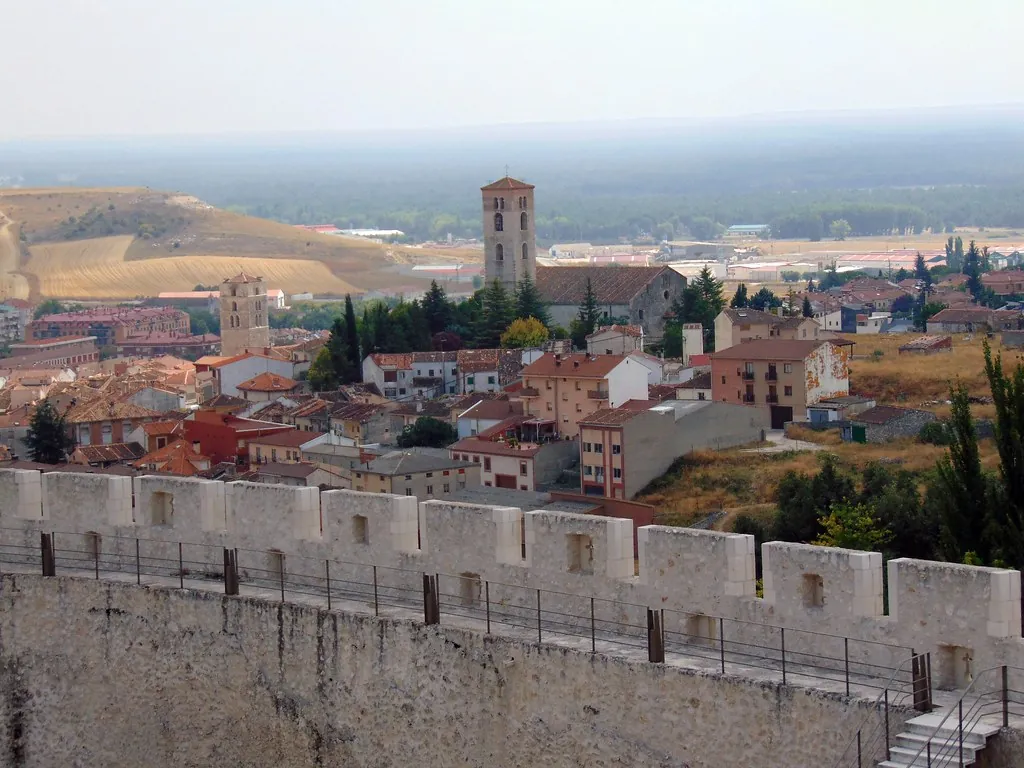
Vista aérea de Cozuelos de Fuentidueña
Instituto Geográfico Nacional · CC-BY 4.0 scne.es
Castilla y León · Cradle of Kingdoms

Cozuelos de Fuentidueña

At 873 metres above sea level, Cozuelos de Fuentidueña sits high enough that mobile phone signals sometimes surrender to the pine forests. The vill...

102 inhabitants · INE 2025
873m Altitude

Why Visit

Mountain Church of the Assumption Resin Route

Best Time to Visit

autumn

Assumption Festival (August) agosto

Things to See & Do
in Cozuelos de Fuentidueña

Heritage

  • Church of the Assumption
  • Pine forests

Activities

  • Resin Route
  • Mycology

Festivals
& & Traditions

Fecha agosto

Fiestas de la Asunción (agosto)

Las fiestas locales son el momento perfecto para vivir la autenticidad de Cozuelos de Fuentidueña.

Full Article
about Cozuelos de Fuentidueña

A resin-making village surrounded by pine forests; it keeps the tradition of resin extraction.

Ocultar artículo Leer artículo completo

At 873 metres above sea level, Cozuelos de Fuentidueña sits high enough that mobile phone signals sometimes surrender to the pine forests. The village rises from the Tierra de Pinares like a geological afterthought—stone houses clinging to a ridge, their terracotta roofs weathered to the colour of autumn chestnuts. With barely a hundred permanent residents, the place operates on rhythms that would drive most Brits mad: shops shut when the owner fancies a coffee, and the evening news arrives via whoever's leaning against the bar.

The Arithmetic of Emptiness

Five thousand souls once called this Segovian outpost home. Now the maths works differently: more pine trees than people, more abandoned houses than occupied ones, more tractors than cars on some days. The exodus happened gradually—first the young to Valladolid and Madrid, then their parents to retirement flats in Segovia city. What's left feels neither sad nor triumphant, merely practical. A woman waters geraniums in a second-floor window box while her neighbour's house crumbles quietly next door, its wooden balcony sagging like a disappointed sigh.

The altitude matters here. Winter arrives earlier than in the valley, sometimes bringing snow that isolates the village for days. Summer nights cool enough to need a jumper, even when Madrid swelters forty minutes south. The air carries resin and dust in equal measure—pine perfume mixed with the earthy scent of cereal fields that shift from emerald to gold between May and July. Walk the narrow lanes at dusk and you'll understand why Spanish painters loved this light: sharp enough to define every stone, soft enough to flatter even the most weathered facade.

What Passes for Attractions

The parish church stands centre-stage, its stone bell tower visible across kilometres of wheat and pine. Built without flourish or pretension, it serves its purpose: marking time every quarter hour, orienting farmers returning from distant fields, hosting the handful of baptisms and funerals that punctuate village life. Inside, the air smells of beeswax and centuries. No audio guides, no gift shop, just worn wooden pews and a priest who knows every congregant's family history, including the bits they'd prefer forgotten.

Beyond the church, Cozuelos offers no monuments to tick off. Instead, there's the slow pleasure of noticing details: how the older houses incorporate medieval stones with Roman inscriptions, why some doorways stand barely five feet high (people were smaller, but also the entrance height helped livestock), which windows still sport the iron grills that once kept wolves from entering bedrooms. The village museum occupies a former schoolhouse, its two rooms displaying agricultural implements that most visitors recognise only from pre-war photographs of their own grandparents.

The real collection lies outside. Pine forests stretch towards every horizon, planted methodically during Franco's era to prevent soil erosion. Now they create a landscape both uniform and subtly varied—straight avenues of trunks interrupted by clearings where wild boar root for acorns, sudden vistas across valleys where villages appear as stone islands in a green ocean. The GR-88 long-distance footpath passes within two kilometres, but local walking routes suffice for most visitors. A circular four-kilometre trail leads to an abandoned shepherd's hut where someone has scratched football scores into the plaster since 1967.

Eating and Sleeping (or Not)

Food here operates on village logic. The single bar opens at seven for coffee and industrial pastries, serves beer and tapas until three, then might reopen at eight if the owner's daughter isn't celebrating her birthday in Segovia. Expect tortilla that changes texture depending who's cooking, chorizo that tastes properly of paprika rather than supermarket preservative, and wine poured from unlabelled bottles that cost €1.50 a litre. The nearest restaurant sits six kilometres away in Fuentidueña—Hotel Rural Ancha Castilla does decent roast lamb but closes Tuesdays without fail.

Self-catering works better. The tiny shop stocks UHT milk, tinned tomatoes, and surprisingly good local cheese made by a woman whose goats you'll hear across the valley at dawn. Thursday mornings bring a mobile fish van from the coast—arrive early for the decent hake, or make do with frozen prawns. Better still, drive twenty minutes to Cantimpalos for proper provisioning: that village's butchers produce morcilla that converts even black-pudding sceptics, and their bakery turns out empanadas sturdy enough for hiking lunches.

Accommodation comes in two flavours. Los Yeros, on the village outskirts, sleeps seventeen in converted farm buildings that manage to feel both authentic and comfortable—stone walls thick enough to mute your neighbour's snoring, modern bathrooms that don't involve chamber pots. Alternatively, several villagers rent rooms informally. Knock on doors displaying the blue 'habitaciones' sign, practice your Spanish, and you might end up in a house where the living room television permanently displays the bullfighting channel and breakfast includes eggs from chickens whose names you learned the previous evening.

Seasons of Silence

Spring arrives late at this altitude—almond blossom appears in April, not February. The surrounding fields turn improbably green, contrasting with dark pine forests in ways that make photographers reach for polarising filters. This season suits walkers best: temperatures hover around 18°C, paths firm underfoot, and the village's few visitors haven't yet materialised. Easter week brings processions so small they feel intimate rather than touristy—twenty people following a plaster saint, brass band consisting of three teenagers and their grandfather.

Summer divides cruelly. July mornings remain pleasant, ideal for following sheep tracks through the forest before temperatures soar past 30°C. Afternoons drive everyone indoors—siesta here isn't cultural affectation but survival strategy. August fills the village with returning emigrants, their Madrid-registered cars lining streets normally empty enough for ball games. The fiesta patronal happens mid-month: brass bands, questionable bingo, and communal paella that feeds the entire population plus curious outsiders. Book accommodation months ahead, or avoid completely.

Autumn might be perfect. September maintains summer light without summer heat, October paints the deciduous oaks among the pines, November brings mushroom hunters and the first woodsmoke. The village empties again, leaving space for proper conversation with locals who suddenly have time to explain why that field's called 'the Englishman's plot' (something about a nineteenth-century mining engineer, details vary). Winter arrives properly in December—frost whitens the fields most mornings, snow isn't unusual, and the bar becomes the entire village's living room.

Getting There, Getting Away

No trains serve Cozuelos. The nearest station lies twenty-five kilometres away in Segovia—high-speed services from Madrid Chamartín reach the provincial capital in twenty-seven minutes, followed by either car hire or infrequent buses that terminate in Fuentidueña. Driving proves easier: the A-6 motorway from Madrid to La Coruña, exit at kilometer 109, then navigate country roads that seem designed to test satellite navigation systems. The final approach involves climbing six kilometres of switchbacks—spectacular views, but keep eyes on the road when encountering combine harvesters that occupy both lanes.

Winter visitors should carry snow chains. The regional government clears main roads eventually, but Cozuelos sits low enough on the priority list that you might wait hours after heavy falls. Summer driving presents different hazards: families of wild boar crossing at dusk, cyclists appearing suddenly around blind corners, and the peculiar Spanish habit of stopping in the carriageway for conversations between neighbouring vehicles.

The village won't suit everyone. Those requiring nightlife, shopping, or restaurants with vegetarian options should probably stay in Segovia. But for travellers seeking somewhere that demonstrates how most Spaniards actually live—or how they used to, before coastal tourism and EU development grants—Cozuelos offers something increasingly rare. Not authenticity packaged for visitors, but a place getting on with its own business at its own pace, tolerating outsiders who arrive with appropriate humility and a willingness to speak Spanish, however imperfectly.

Come with walking boots and low expectations. Leave with pine resin in your clothes, dust on your shoes, and possibly an invitation to someone's granddaughter's christening. Just don't expect to understand everything immediately—some things here operate on timescales longer than most holidays allow.

Key Facts

Region
Castilla y León
District
Tierra de Pinares
INE Code
40902
Coast
No
Mountain
Yes
Season
autumn

Livability & Services

Key data for living or remote work

2024
Connectivity5G available
EducationElementary school
Housing~5€/m² rent · Affordable
CoastBeach 15 km away
Sources: INE, CNMC, Ministry of Health, AEMET

Planning Your Visit?

Discover more villages in the Tierra de Pinares.

View full region →

More villages in Tierra de Pinares

Traveler Reviews