Full Article
about El Hoyo de Pinares
Surrounded by vast pine forests; great for active tourism and known for its wines and pools.
Hide article Read full article
El Hoyo de Pinares se encuentra en la vertiente oriental de la Sierra de Gredos, dentro de la comarca de la Tierra de Pinares. El nombre no es casual: el pinar resinero ha sido durante siglos la base económica y el material de construcción, una relación que aún define el carácter del municipio y el trabajo de parte de sus habitantes.
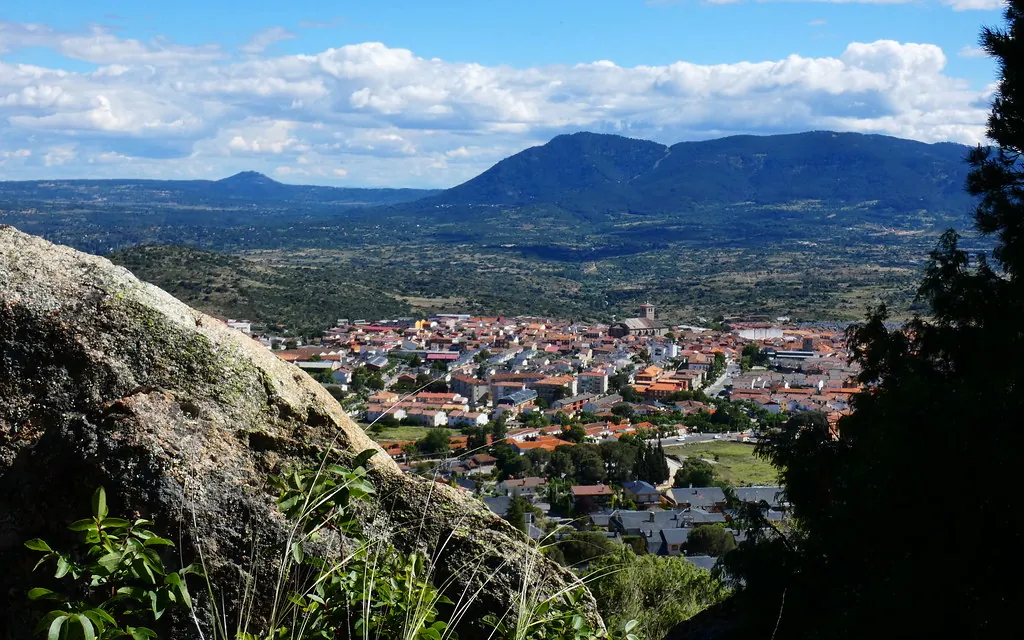
El pueblo se asienta sobre una hondonada y sus laderas suaves. Desde cualquier punto elevado se ve la estructura clara: el caserío agrupado en torno a la iglesia y, después, el manto continuo del bosque.
La iglesia en la ladera
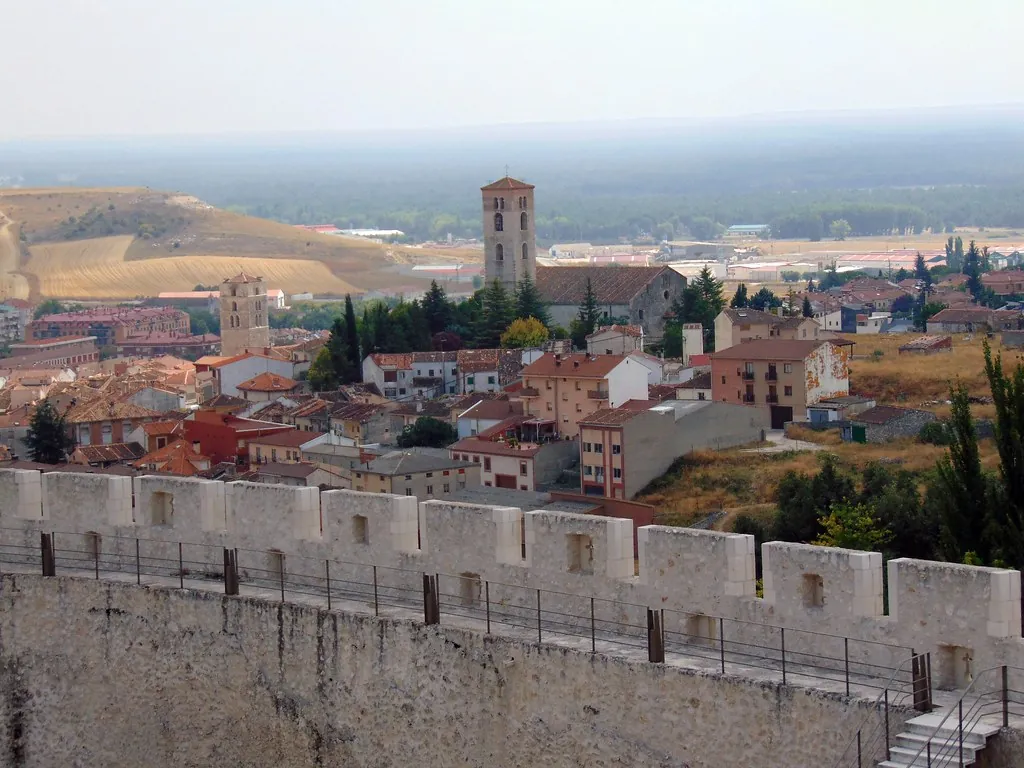
La iglesia de San Miguel Arcángel ocupa la posición dominante, construida en granito con una volumetría sobria que recuerda a la arquitectura herreriana de los siglos XVI y XVII. Su valor está más en su presencia que en su ornamentación.
Desde el atrio se abarca con la vista todo el pueblo y el comienzo del pinar. En estas localidades, la torre de la iglesia cumplía una función práctica además de la religiosa: era un punto de referencia para quienes volvían del trabajo en el monte.
El interior es el de una parroquia rural castellana de nave amplia, con capillas laterales añadidas posteriormente. Las reformas de los siglos XVII y XVIII modificaron parte de la decoración original, un proceso habitual en templos que han estado en uso continuo.
Huellas anteriores al pueblo
El territorio guarda vestigios de ocupación muy anterior al actual núcleo. En el paraje de San Vicente existen tumbas excavadas en la roca, comúnmente datadas entre los siglos V y VIII. No es un conjunto monumental, pero indica un poblamiento disperso en época visigoda.
La minería también dejó su rastro en las lomas cercanas, con actividad documentada desde la Edad Moderna hasta bien entrado el siglo XIX. Hoy solo quedan restos menores: alguna bocamina colmatada, muros de piedra seca y explanadas que delatan el trabajo pasado.
El arroyo de la Nava movió molinos harineros durante generaciones. Entre la vegetación de ribera aún se identifican ruinas. Esta zona tiene senderos sombreados por alisos y fresnos, que siguen en parte las antiguas vías de comunicación entre los distintos recursos del valle.
Calendario local
La devoción principal gira en torno a San Miguel Arcángel, a finales de septiembre. La fiesta sigue un esquema común en la provincia: actos religiosos por la mañana y comida comunal con música por la tarde.
A finales de primavera se celebra la romería de la Virgen de Navaserrada. La procesión conduce a una ermita situada dentro del término municipal, en un entorno de bosque. Se hace tradicionalmente a pie y congrega a vecinos y gente de pueblos cercanos.
Arquitectura y bosque
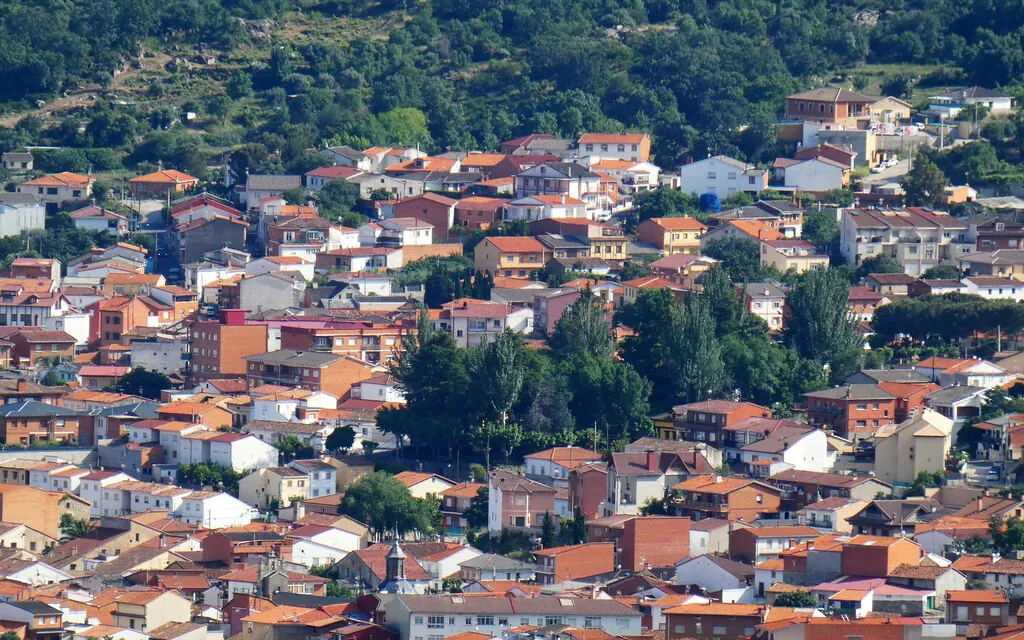
El casco histórico conserva numerosos ejemplos de arquitectura serrana. Las casas suelen tener dos plantas, con zócalo de granito y paredes encaladas. Los tejados son de teja árabe o pizarra, según la época de construcción. Muchas viviendas se organizan alrededor de un corral o patio interior.
Las calles son estrechas y con cuesta en algunos tramos, resultado de la adaptación al terreno. Caminar por ellas permite ver detalles que pasan desapercibidos: dinteles de granito, antiguos pesebres y balcones de forja.
Fuera del casco urbano, el pinar ocupa casi la totalidad del término municipal. Una red de pistas forestales y senderos lo recorre y conecta El Hoyo con las localidades vecinas. Son caminos sencillos, muy transitados por los vecinos para el paseo o para ir a buscar setas en otoño.
Cómo llegar y cuándo
El Hoyo de Pinares dista unos cuarenta kilómetros de la ciudad de Ávila. Se llega por carretera a través de un paisaje de montaña media y bosque. Tener vehículo propio facilita explorar los alrededores.
El pueblo tiene más movimiento en verano y los fines de semana, con la llegada de veraneantes. El resto del año recupera un ritmo más tranquilo, marcado por las tareas del campo y el bosque.