Full Article
about Frumales
Town in the Duratón valley; noted for its riverside setting and pine woods.
Hide article Read full article
Frumales: un pueblo de la Tierra de Pinares
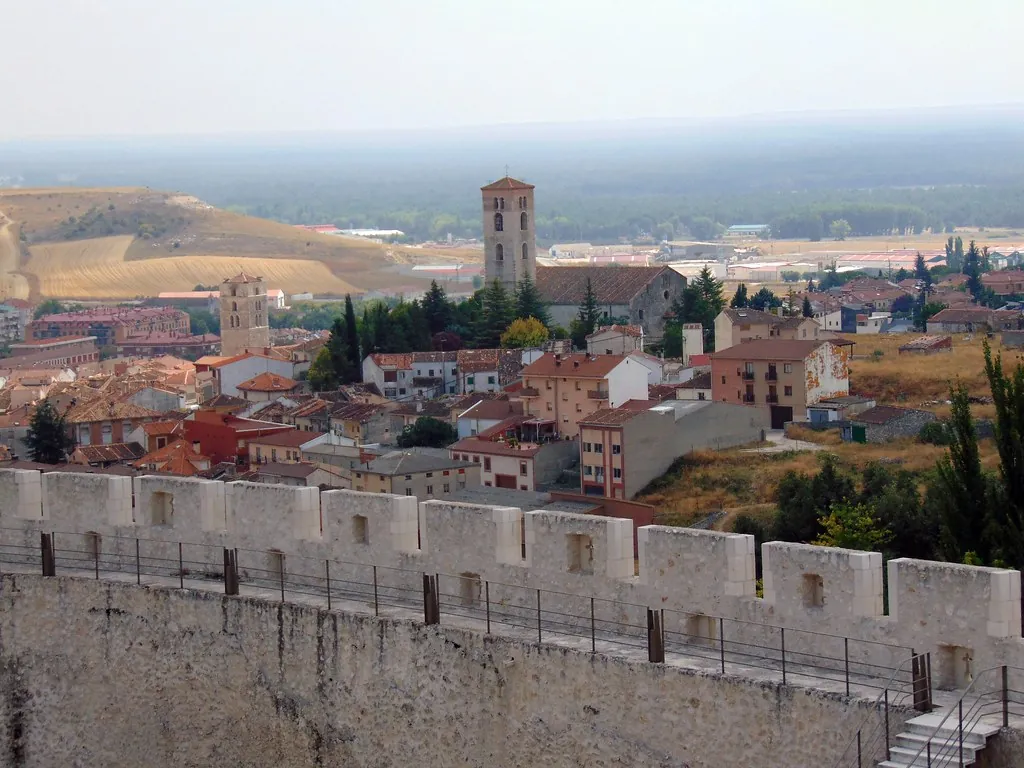
Frumales pertenece a esa serie de pueblos de la comarca segoviana de la Tierra de Pinares cuyo trazado original apenas se ha modificado. Su historia y su aspecto actual están determinados por dos factores: el bosque y la altitud. A unos 800 metros sobre el nivel del mar, el caserío se levanta en un llano rodeado por el pinar resinero que durante siglos constituyó su principal recurso. La población ronda los 120 habitantes.
El ritmo aquí es el de un núcleo pequeño, donde las calles estrechas y las casas de adobe y ladrillo hablan de una forma de vida que ha cambiado poco en las últimas décadas. No es un lugar de transformación rápida. Su escala y estructura siguen los patrones establecidos generaciones atrás, marcados por el trabajo rural y el entorno forestal.
Economía de resina y arquitectura funcional
Durante siglos, la economía local giró en torno a la extracción de resina del pino rodeno. Esta actividad, que se desarrollaba en los montes comunales, modeló la identidad del pueblo y sus rutinas. La agricultura de cereal y legumbres siempre estuvo presente, aunque en un papel secundario. Algunos campos se siguen cultivando hoy.
Entre las construcciones del pueblo, la iglesia parroquial de la Asunción, del siglo XVI, es el edificio más notable. Su torre de ladrillo, visible desde varias calles, muestra reformas posteriores a su construcción original. Proporciona uno de los pocos puntos verticales en una línea de tejados baja y horizontal.
Las viviendas no presentan fachadas monumentales ni restauraciones ornamentales. Su carácter es funcional. Se ven muros de tapial, puertas de madera maciza y ventanas pequeñas. Muchas conservan corrales anexos, un reflejo de su uso agropecuario original. El paso del tiempo se lee en los materiales, no en una restauración decorativa.
El bosque como territorio
El principal atractivo de Frumales es su entorno natural. Extensos pinares resineros rodean el pueblo, creando un paisaje de troncos rectos y luz filtrada que ha definido la vida aquí durante generaciones.
Existen caminos forestales señalizados desde hace décadas, aptos para paseos a pie o en bicicleta. El terreno es mayormente llano, pero algunas rutas superan la hora de recorrido. Conviene llevar agua y protección solar. La observación de fauna es habitual: es posible ver pájaros carpinteros o herrerillos en el bosque, y milanos o ratoneros en los espacios abiertos.
La luz cambia notablemente con las estaciones. En verano, los campos de cereal dorado contrastan con el verde del pinar. En invierno, el paisaje se vuelve más austero. Por la noche, la baja contaminación lumínica permite una buena observación del cielo.
Vida práctica y ritmo anual
La gastronomía de la zona se basa en productos tradicionales: lechazo asado al horno de leña, sopas castellanas o embutidos locales. Frumales no cuenta con establecimientos hosteleros; para comer suele recurrirse a localidades cercanas como Vallelado o Cuéllar.
El evento principal del año son las fiestas patronales en honor a la Virgen de la Asunción, que suelen celebrarse en verano con procesiones y bailes en la calle. Fuera de esos días, la actividad es tranquila y sigue girando en torno a las tareas forestales y agrícolas.
Frumales no tiene monumentos espectaculares. Su interés reside en observar cómo se ha vivido aquí, en una relación estrecha con el bosque y la tierra. Es un lugar para caminar sin prisa, notar los materiales de las casas y entender el paisaje que las rodea.