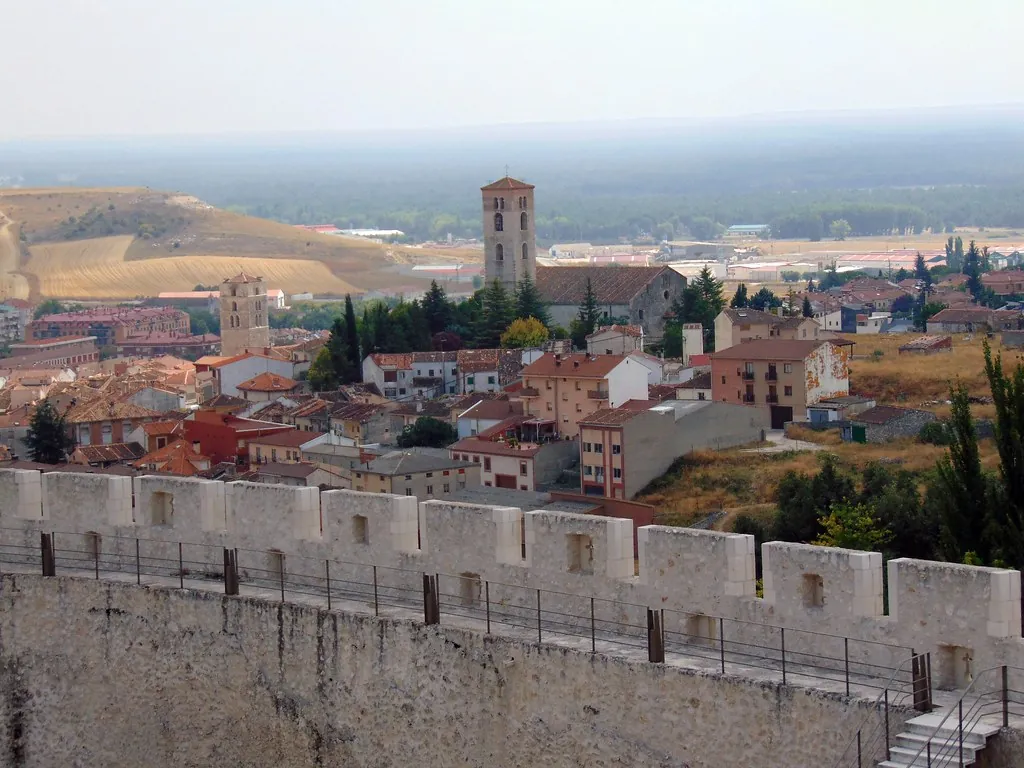
Vista aérea de Gomezserracín
Instituto Geográfico Nacional · CC-BY 4.0 scne.es
Castilla y León · Cradle of Kingdoms

Gomezserracín

The morning mist lifts at 803 metres to reveal a scene that hasn't changed much since resin collectors first worked these woods. Gomezserracín sits...

614 inhabitants · INE 2025
803m Altitude

Why Visit

Mountain Church of Santa María Magdalena Agrotourism

Best Time to Visit

summer

Santa María Magdalena Festival (July) julio

Things to See & Do
in Gomezserracín

Heritage

  • Church of Santa María Magdalena
  • Orchards

Activities

  • Agrotourism
  • Country walks

Festivals
& & Traditions

Fecha julio

Fiestas de Santa María Magdalena (julio)

Las fiestas locales son el momento perfecto para vivir la autenticidad de Gomezserracín.

Full Article
about Gomezserracín

In the Carracillo district; major vegetable production and pine-forest surroundings

Ocultar artículo Leer artículo completo

The morning mist lifts at 803 metres to reveal a scene that hasn't changed much since resin collectors first worked these woods. Gomezserracín sits surrounded by one of Europe's largest pine forests, where the population of trees dwarfs the 600-or-so human residents by several thousand to one. This ratio isn't just statistics—it defines everything about how life works in this Segovian village.

The Forest That Built the Town

Walk down Calle Real just after sunrise and you'll understand why the locals check the wind direction before hanging laundry. The resinous scent from thousands of Aleppo pines drifts through streets lined with low, earth-coloured houses. Adobe walls meet stone foundations in buildings designed for temperature swings that can hit 20°C between day and night. Winter brings proper mountain weather—night temperatures regularly drop below freezing from November through March, while summer afternoons peak around 30°C but cool rapidly after sunset.

The forest isn't merely backdrop here. Generations earned their living tapping pine resin, and the trade shaped both economy and architecture. Look closely at older houses and you'll spot resin-collecting tools repurposed as door handles or decorative elements. Even now, retired workers gather at Bar Centro to debate resin prices like other villages discuss football scores.

Access requires planning, particularly outside summer. The village sits 65 kilometres north of Segovia along the CL-601, a mountain road that gains 400 metres in altitude. Winter visitors should carry snow chains—when storms hit, Guardia Civil close the passes until ploughs clear routes. Buses run twice daily from Segovia except Sundays, but schedules shrink to one morning service during winter months.

What Passes for Sights

Gomezserracín won't overwhelm with monuments. The 16th-century parish church anchors Plaza Mayor, its modest brick tower more functional than ornate. Inside, faded frescoes tell biblical stories to mostly empty pews—regular attendance hovers around thirty, swelling to capacity only during September's fiesta patronal. The building's real significance lies in its social role: announcements for everything from sheep shearing contests to pensioners' coach trips still get nailed to its wooden doors.

The village proper takes forty minutes to traverse at tourist pace. Calle de los Hornos preserves several adobe houses with original wooden balconies—structures that would merit protection elsewhere stand here as everyday homes. Number 14 displays particularly fine stonework around its entrance arch, carved when local masons earned extra during winter months when resin work paused.

Yet concentrating on human construction misses the point. The Senda de la Resina starts two kilometres west along a forestry track, following old resin collection routes through 12 kilometres of managed forest. Yellow waymarks painted by environmental volunteers guide walkers past ancient tap scars on pine trunks—some trees still bear 19th-century collectors' initials. Early morning walkers might spot roe deer or wild boar; later risers make do with woodpeckers and the occasional golden eagle riding thermals above the canopy.

Eating and Drinking Like You Mean It

Local gastronomy reflects altitude and history—this is food designed for people who spent daylight hours hauling resin containers through forests. Mesón El Pinar serves cordero lechal (milk-fed lamb) roasted in wood-fired ovens, portions sized for sharing between three despite menus suggesting two. A half-lamb costs €28, arrives with roast potatoes and requires serious appetite. Vegetarians face limited choices: tortilla de patatas or pimientos de padrón represent the meat-free extent at most establishments.

Breakfast culture runs deep. Workers traditionally ate substantially before dawn forest sessions, and bars maintain substantial morning menus. €4 buys coffee, fresh orange juice and toast topped with local olive oil and crushed tomato—substantially cheaper than Madrid prices and portions that sustain through to late lunch. Bar Centro opens 6am for early risers; attempt conversation before the proprietor's second coffee and receive monosyllabic responses.

Evening drinking follows agricultural rhythms. Summer terraces fill 8-10pm before families head home for proper dinner around 10:30pm. Winter schedules shift earlier—bars empty by 9pm when temperatures drop towards freezing. Try the local resina liquor, distilled from pine resin with enough alcohol content to sterilise surgical instruments. Sip cautiously.

When Silence Becomes Uncomfortable

The forest's presence means darkness arrives suddenly and completely. Street lighting exists but remains minimal—villagers prefer saving money for essentials over illuminating empty roads. Bring torches for winter visits; summer visitors enjoy star visibility impossible near urban centres. Mobile reception proves patchy throughout—download offline maps before arrival.

Accommodation options remain limited. Hostal Dreamland offers six en-suite rooms above the main bar, €45 per night including basic breakfast. Rooms face either the street (morning delivery noise from 7am) or forest (quieter but afternoon sun makes rooms stuffy in summer). Casa El Herrero provides self-catering for four, useful given limited restaurant variety, though you'll shop in Segovia for anything beyond basics—the village store stocks little beyond tinned goods and ice cream.

Weekends bring Madrid families to their country houses. Suddenly the silence fills with 4x4 engines and children's scooters bouncing off stone walls. Tuesday through Thursday offers authentic emptiness—some visitors find this isolation profound, others unsettling after 24 hours.

The Honest Verdict

Gomezserracín suits travellers seeking forest immersion over cultural sightseeing. Base yourself here for walking holidays, not city break entertainment. The village works brilliantly for three days of hiking, mushroom foraging (autumn only, with permits) and reading beside log fires. Extend beyond this without specific interests and restlessness sets in—there's only so much pine forest anyone needs.

Visit spring or autumn for optimal conditions. April-May brings wildflowers and comfortable walking temperatures. September-October combines mushroom season with harvest festivals but prepare for weekend crowds. Summer heat makes afternoon walking unpleasant despite altitude. Winter delivers snow-dusted beauty but requires winter driving experience and flexible plans when weather closes roads.

Book accommodation in advance for festival weekends. Otherwise, ring Hostal Dreamland a day ahead—they'll hold rooms without deposits, operating on trust systems that define village life. Bring cash: the nearest functional ATM stands 15 kilometres away in Cuéllar, and card machines fail regularly during storms.

This isn't Spain of flamenco and sangria. It's somewhere more honest—a working mountain village that happens to accept visitors rather than a tourist destination pretending authenticity. Come prepared for that reality and Gomezserracín offers forest therapy unavailable elsewhere. Expect entertainment and you'll leave disappointed, probably before lunch.

Key Facts

Region
Castilla y León
District
Tierra de Pinares
INE Code
40095
Coast
No
Mountain
Yes
Season
summer

Livability & Services

Key data for living or remote work

2024
ConnectivityFiber + 5G
Housing~5€/m² rent · Affordable
Sources: INE, CNMC, Ministry of Health, AEMET

Planning Your Visit?

Discover more villages in the Tierra de Pinares.

View full region →

More villages in Tierra de Pinares

Traveler Reviews