Full Article
about Lastras de Cuéllar
In the heart of the land of pine forests and lagoons; a privileged natural setting
Hide article Read full article
Lastras de Cuéllar, in the province of Segovia, occupies a small space on the map yet carries a clear identity shaped by its landscape and its working past. With around 300 inhabitants and very limited visitor infrastructure, this is not a destination of museums or headline events. What it offers instead is a direct view of rural rhythms and long-standing trades that have defined this part of Castilla y León for generations.
The name of the village comes from the flat stones, lastras, that are common in the area. Dry soil, extensive pine forests and sandy tracks define the setting. The local economy still bears the mark of resin tapping and firewood production. A few resin workers continue their trade, although for the most part it survives as a reminder of decades when forestry shaped daily life more than it does today.
A Village Shaped by Work and Landscape
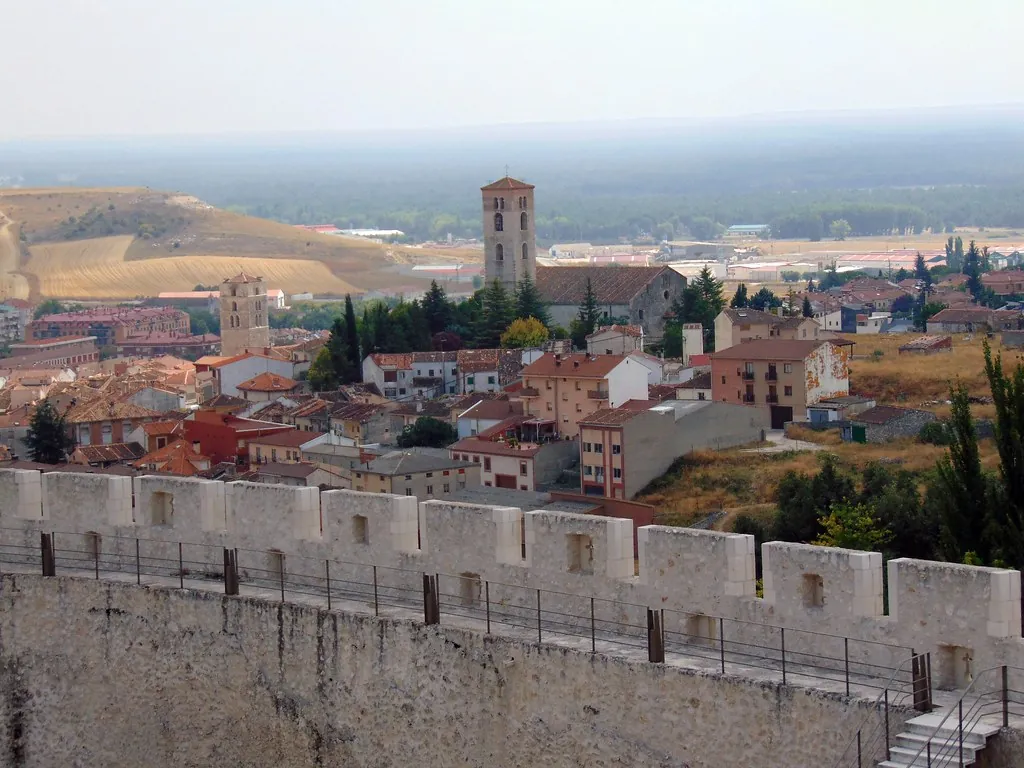
At the centre of Lastras de Cuéllar stands the parish church. It is neither large nor ornate, but a typical example of rural Castilian architecture. For years it concentrated much of the village’s social life and it remains a meeting point where everyday stories cross paths. There are no major artistic treasures inside, yet the building helps to understand what day-to-day life here looked like until quite recently.
Beyond the compact urban core, the most interesting features lie in the natural surroundings. The pinewoods around the village form part of one of the largest resin-producing forests on the Meseta, Spain’s central plateau. Even now it is common to see traces of forestry work or older remains that point to decades devoted to resin extraction. On windy days, particularly when the weather has been dry, the scent of resin becomes noticeable in the air.
The terrain is largely flat. Seasonal streams run alongside footpaths and wide rural tracks that were once used for transhumance, the seasonal movement of livestock between grazing areas. These broad routes remain visible in the landscape and are still used as access tracks through the forest.
The village centre can be walked in about ten minutes. Houses built from stone, adobe and wood stand among empty plots and homes awaiting restoration. It is a realistic picture of the village’s current state. Old haylofts, animal pens and wine cellars are still present, tied to an agricultural and livestock-based economy that once structured everyday routines.
Time Outdoors in the Pinares
The best way to make the most of a visit is simply to head out into the countryside. Walking through the pinewoods is straightforward, whether along the wider tracks or narrower paths with little technical difficulty. In summer the ground is usually dry and there is limited shade, so the sun can feel intense if you are not prepared with enough water.
At first light and towards the end of the day, wildlife becomes easier to spot. Roe deer and foxes are sometimes seen, and many forest bird species inhabit these woods. The area rewards patience more than speed.
Autumn draws many people in search of edible mushrooms such as níscalos, known in English as saffron milk caps, along with other varieties linked to the resin forest ecosystem. Access rules tend to be more strictly enforced during mushroom season, and it is important to respect them. Avoid disturbing unknown species or clearing entire patches. Those without experience are better off asking locally first or joining an organised outing, checking details in advance.
Cycling is another option. There are routes that combine quiet secondary roads with wide rural tracks commonly used for cycle touring in the Pinares region. There are no major climbs or dangerous descents, although strong winds can make pedalling more demanding when they pick up.
Food reflects traditional cooking from northern Castile. Dishes such as lechazo asado, roast suckling lamb, and sopa castellana made with stale bread are typical. These are substantial meals, originally intended to sustain long hours spent working in the forest or tending animals. Hospitality options are modest. If you are looking for specific places to eat or stay, it is sensible to check ahead, as some close during certain seasons.
Festivities and Everyday Customs
In summer, a local festival is usually held around the village’s patron saint, with dates varying from year to year. Activities centre on processions and small traditional religious events. The atmosphere is local and understated rather than grand, especially compared with larger nearby towns.
Outside these specific moments, rural customs still shape certain daily schedules, although less intensely than in the past. Early departures for work in the countryside and seasonal agricultural tasks continue to mark the year. Life moves at a measured pace, influenced more by daylight and weather than by tourism.
When to Go
Spring brings mild temperatures and greener pinewoods. Paths are generally dry, although in rainy years mud can build up in some areas and make moving quickly more difficult, particularly after prolonged rainfall.
Autumn offers strong colours both in the trees and in nearby cultivated fields. There is also increased movement towards the forests as families head out to collect mushrooms.
The warmest summer months require protection from the sun due to the limited shade. Those wishing to avoid discomfort are better off starting early in the day.
In winter, few outdoor activities are recommended beyond simple walks through open landscapes when weather conditions allow for safe movement without too much difficulty.
Lastras de Cuéllar does not promise modern comforts or entertainment. Expectations are best adjusted accordingly. What it provides is straightforward countryside without spectacle, a place where pine forests, sandy tracks and traces of resin work tell the story more clearly than any exhibition panel could.