Full Article
about Navalperal de Pinares
Mountain town with a train station, surrounded by meadows and pine forests.
Hide article Read full article
Between Pine and Stone
Some places seem made for a quick stop, others make you pull over even if you had no plan to. Navalperal de Pinares falls into the second group. Driving through pine forests in the Sierra de Ávila, the village appears almost suddenly, set among granite and woodland. There is no grand approach or build-up. It is simply there.
Tourism in Navalperal de Pinares revolves around that simplicity: pines, stone and a noticeable calm. There are no headline attractions or streets designed for quick photos. Instead, the appeal lies in walking and letting the landscape take the lead rather than signs or itineraries.
A Village Right by the Forest
Navalperal feels like a place where the countryside has edged right up to the town. Step out along almost any street and within minutes the ground changes to forest soil. The smell shifts quickly too, with resin, dry wood and damp earth after rain.
It is common to see locals carrying firewood or returning from the surrounding land. Life here remains closely tied to the forest. That connection shows in the pace of the village and in how daily routines are organised.
Walking Without Much Signposting
Anyone expecting perfectly marked hiking routes may find things a little different. In Navalperal de Pinares, the usual paths are forest tracks that are easy to follow by reading the terrain rather than relying on panels or maps.
Wide tracks cut through pine woods for kilometres, while narrower paths wind between rocks. Some climb high enough to open views towards the Sierra de Gredos on clear days. It does not take much planning to spend a full morning walking here.
The area also suits mountain biking. Many sections have gentle gradients, followed by long descents through the trees.
Granite Everywhere
Granite is the other defining feature of the landscape. It appears in large scattered boulders across meadows, in old stone walls and in formations that seem carefully placed, though they have been there for centuries.
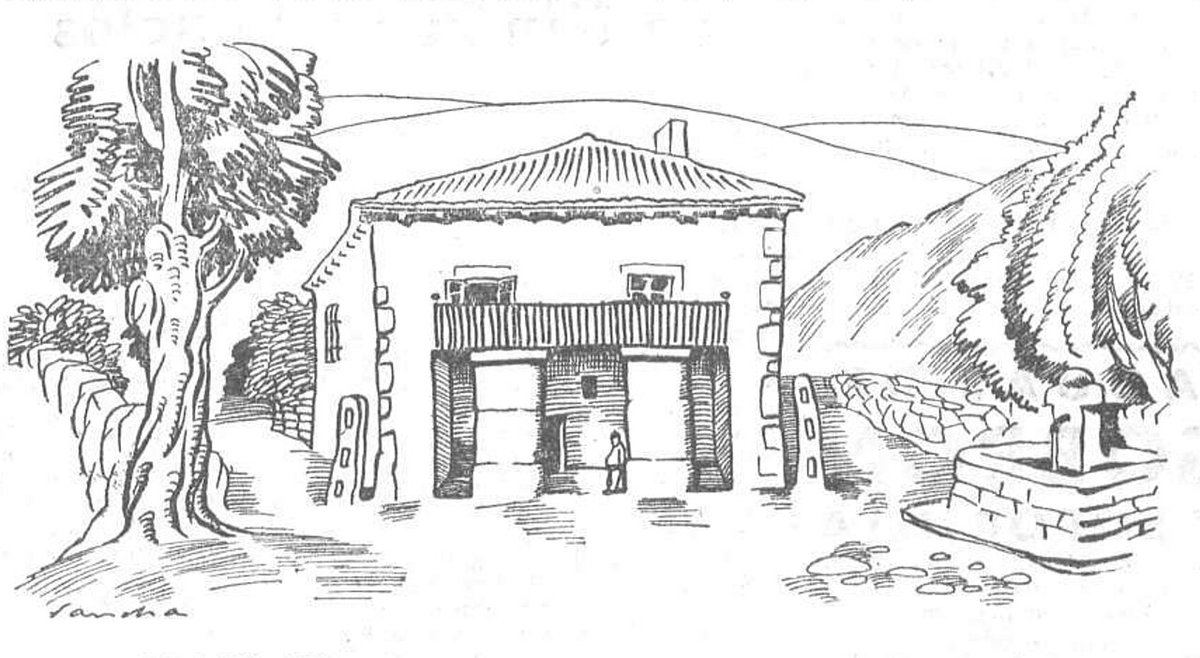
That same granite shapes the village itself. Many houses use it in walls and boundaries, giving the place a solid, weighty feel, as though everything is built to withstand long winters.
A Practical Village Centre
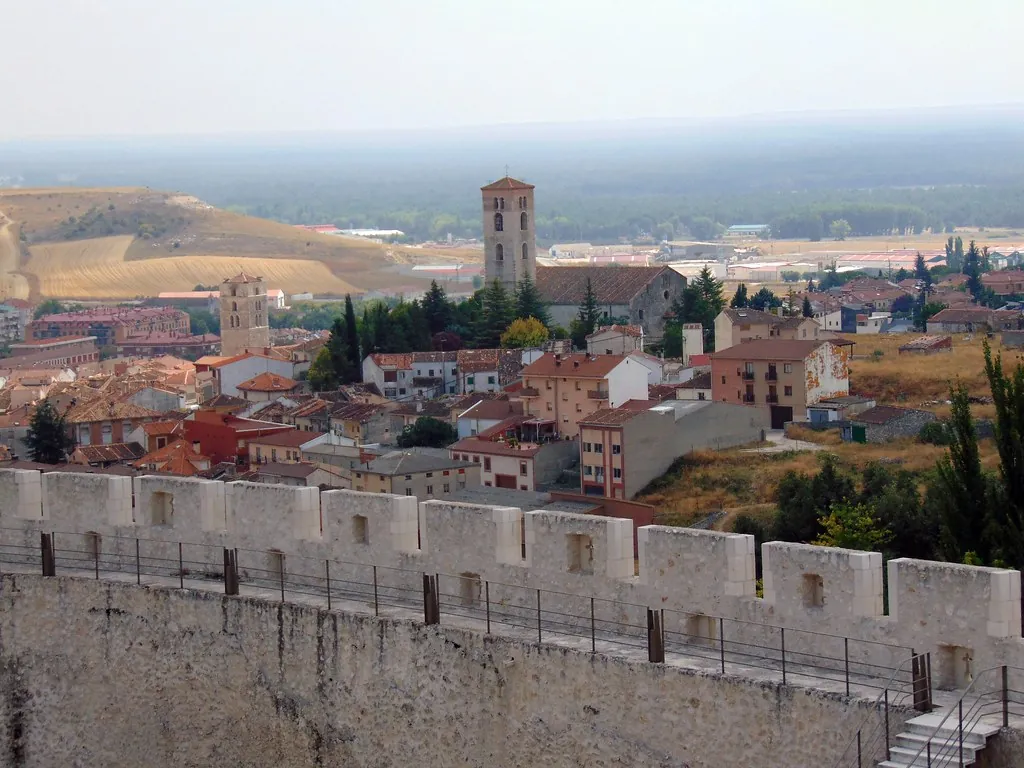
The centre of Navalperal does not try to impress. Streets are quiet, lined with stone houses and wooden balconies darkened over time. It is a place designed for living rather than display.
The parish church of the Asunción stands out for its compact form. It is not an ornate building. Instead, it gives a sense of strength, built to endure wind, cold and time.
Between Mountain and Plain
Climb to higher ground around the village and the landscape shifts. On one side, the peaks of the Sierra de Gredos appear when the sky is clear. On the other, the land opens into the plateau and the area known as the Vega del Alberche.
From above, Navalperal de Pinares feels like a point of transition. Dense forest lies in one direction, while more open terrain stretches out in the other.
Local Food and Village Festivities
The food in the area follows the traditions of the region: hearty dishes tied to local produce. Beef is common, along with recipes using mushrooms when in season. There is also a tradition of trout from nearby streams, when river conditions allow.
In summer, the atmosphere changes with the patron saint festivals in August. Many people who live elsewhere return during those days, and the village becomes livelier. San Antonio is also celebrated in June, with simple events and strong local participation.
Reaching Navalperal de Pinares is straightforward. From Ávila, the route follows the N‑502 south before turning onto smaller roads that wind through pine forests. From Madrid, many approach via the Alberche valley, gradually gaining altitude along the way.
Navalperal de Pinares does not need much more than what it already has. A walk among the pines, a seat on a granite rock, and a stretch of quiet often feel enough. Sometimes the plan really is that simple.