Full Article
about Remondo
In the pine-forest area bordering Valladolid; known for its pine-nut production.
Ocultar artículo Leer artículo completo
The resin hits before the engine cools. Open the car door in Remondo and the air carries the sharp, sweet tang of freshly-tapped pine, a scent that once paid for every roof in this Segovian hamlet. At 755 m above sea level, the village sits just high enough for the thermometer to drop three degrees below the baking plateau of Madrid, a difference that makes August tolerable and January properly sharp.
A Village That Never Bothered with a Postcard
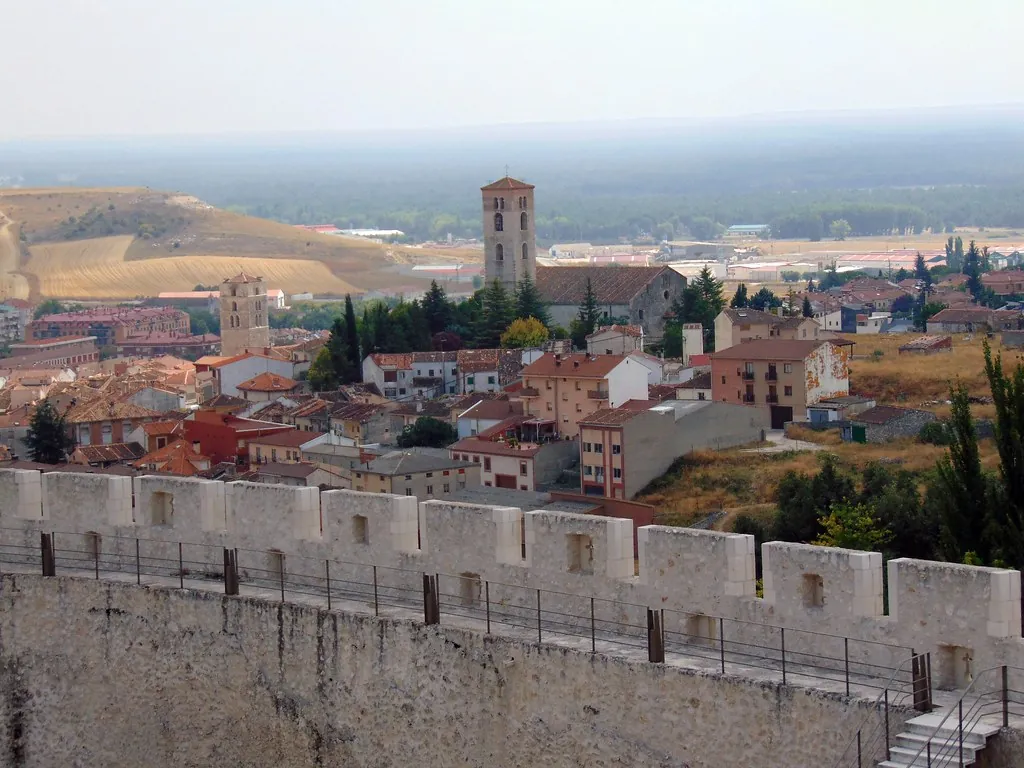
No baroque towers, no miradors, no gift shop. The single stone church stands square at the top of the gentle slope, its bell the only thing that cuts the mid-afternoon silence. Houses are arranged in the pragmatic Castilian order: stone plinth, adobe upper half, clay tiles darkened by centuries of resin smoke. Some have been patched with modern brick and bright aluminium windows, the architectural equivalent of a plaster on a work-worn hand—functional, unembarrassed.
Walk the two main streets and you will cover the entire population in ten minutes. The 2019 census lists 312 inhabitants, though locals insist the real winter tally is closer to 180. The rest have apartments in Segovia or Valladolid and return only for the August fiesta, when the school patio becomes a dance floor and the baker works through the night.
Forests That Once Paid Wages
Every path out of the village slips between maritime pines planted in strict 1850s formation. Look closer: V-shaped scars run down the trunks where resin was channelled into clay pots. The trade collapsed in the 1970s when cheaper Portuguese gum flooded the market, but the forest remains the village’s single largest employer—now through EU thinning grants and weekend hikers rather than resin.
A 6-km loop, way-marked with faded yellow squares, leaves from the cemetery gate and circles the Arroyo de la Dehesa. The gradient is negligible, trainers suffice, and the only hazard is the occasional boar hunter’s feeder (a metal drum wired to a tree). Spring brings tiny lilac orchids under the pine straw; October delivers the first nísscalos—orange milk caps that fetch €18 a kilo in Segovia market if you can bear to part with them.
Bigger walks start 12 km away in the Carrascal de San Rafael, a 1,200-hectare nature reserve with Iberian wolf tracks and black vultures. Remondo has no tourist office, but ask inside the Bar Centro and someone will sketch the route on a napkin.
Roast Lamb and Other Certainties
Food is cooked by wives, not chefs. The only public eating place is the aforementioned bar: two tables, a television permanently on mute, and a handwritten card offering “plato combinado” (egg, chips, chorizo) for €8. If you want the region’s celebrated roast suckling lamb, you need to ring ahead. Try Asador El Pinares in neighbouring Carbonero el Mayor (ten minutes by car). A quarter lamb for two, crackling bronzed in a wood oven, costs €24; they only fire the horno on weekends, so book before Friday noon.
Self-caterers should shop in Cantalejo, 18 km north, where the Día supermarket stocks local lentils and the butcher will dice shoulder of mutton for cocido. Bring a cool bag: day-time temperatures even in May can touch 28 °C, and most cottages lack air-conditioning.
When to Come, How to Get Here, What Can Go Wrong
Spring and early autumn are kindest. In July the pine forest becomes a tinderbox; barbecue bans appear overnight and the Guardia Civil patrol the tracks. Winter is crystal-clear—night skies register a Bortle Class 3, perfect for Orion spotting—but snow can block the CV-178 for half a day and the village’s single plough prioritises the road to the cemetery.
There is no railway. From Madrid, take the ALSA coach to Sepúlveda (1 hr 40 min), then a pre-booked taxi for the final 28 km (about €35). Driving is simpler: A-1 to Aranda de Duero, exit 115, then follow the CL-619 and CV-178. Petrol stations are scarce—fill up in Sepúlveda or pay motorway prices at Losa.
Accommodation is limited to three privately-owned cottages clustered round the old bread oven. Expect stone floors, wood-burning stoves, and Wi-Fi that expires when the wind swings north. Rates hover around €90 a night for two; owners list on ruralcasas.com and prefer WhatsApp to emails.
Mobile coverage is patchy. Vodafone works on the church steps; Orange users have to walk 200 m up the track towards the water deposit. Power cuts accompany the first August storm; candles are provided, along with the unspoken obligation to join the neighbours for gin-and-tonic on the plaza while the grid is repaired.
The Anti-Spectacle
Remondo will never feature on a regional tourism board poster. There are no craft workshops, no Sunday artisan market, no interpretative centre with interactive screens. What the village offers instead is the chance to calibrate to a slower frequency: bread van at 11:00, church bell at 12:00, siesta until the heat thins, then the soft clack of dominoes from the bar as the forest releases the day’s warmth.
Come if you need that rhythm. Bring walking shoes, a paperback you don’t mind finishing, and the Spanish you last used at GCSE—no one here switches to English. Expect to leave with resin-scented clothes and the disconcerting realisation that “nothing to do” can feel like plenty.