Full Article
about San Bartolomé de Pinares
Mountain village surrounded by pine forests; known for the San Antón bonfire festival.
Hide article Read full article
San Bartolomé de Pinares: Cuando el pueblo y el pinar son lo mismo
San Bartolomé de Pinares es ese tipo de lugar que no te golpea en la cara con su belleza. Llegas, ves un montón de pinos y casas de granito, y piensas: "Vale, otro pueblo de la sierra". Es normal. La primera impresión es la de un sitio serio, un poco austero, construido más para aguantar inviernos a mil metros que para hacer fotos bonitas. Pero déjalo estar. Quédate un rato. Como esa canción que no te llama la atención y a la semana siguiente no puedes sacártela de la cabeza.
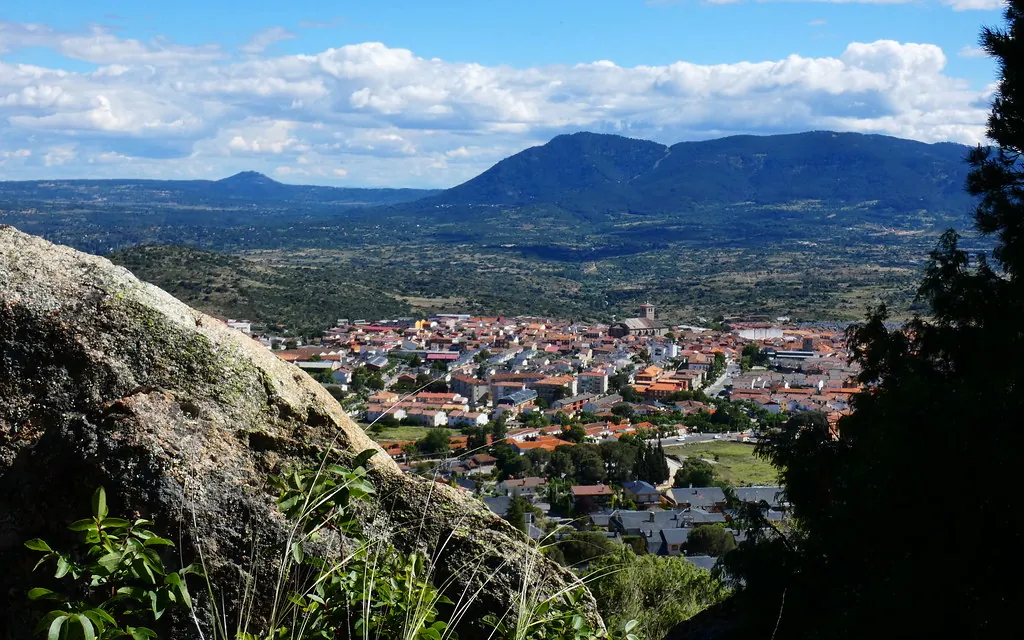
Está pegado al bosque, literalmente. Cruzas la última calle y ya estás entre pinos. Kilómetros y kilómetros. En enero, el frío se te clava en los huesos como esas mañanas que tienes que rascar el parabrisas con la tarjeta del banco porque no encuentras el raspador.
Un pueblo hecho a prueba de clima
Las calles son estrechas, las casas tienen paredes gruesas y ventanas pequeñas. No hay fachadas para presumir; esto es arquitectura del sentido común. Es como un buen pantalón de trabajo: no es elegante, pero es lo que necesitas.
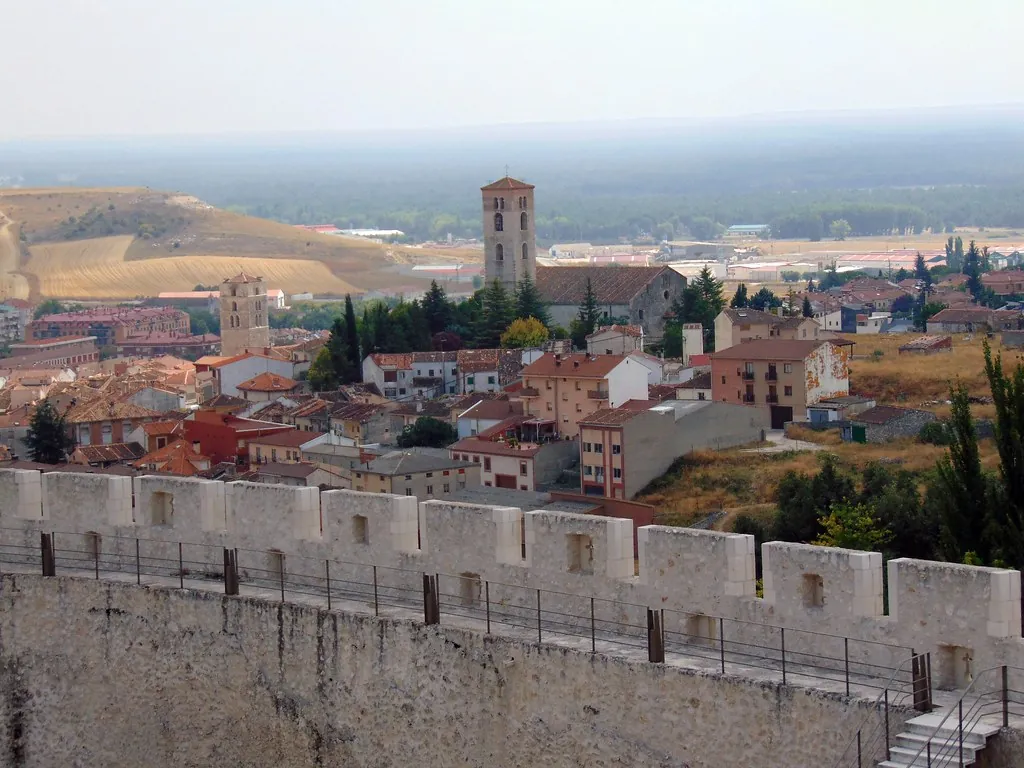
No vengas buscando una catedral o un palacio. El punto de referencia es la iglesia de San Bartolomé Apóstol, con su torre que se ve desde casi cualquier sitio. Más que un monumento, funciona como el reloj y la brújula del pueblo. Si te pierdes (cosa difícil), miras hacia arriba y ya sabes por dónde vas.
El centro es pequeño, todo de piedra y granito. Algunos portones tienen blasones gastados por el tiempo. Lo que me gusta es que no parece un decorado; se nota que la gente vive aquí, arregla las cosas cuando se estropean y sigue usando los corrales. Es un pueblo vivo, no congelado.
El pinar: esto no es un jardín
Lo que define este sitio no es un edificio, sino el bosque. Pero olvídate del bosque virgen e intocable. Este es un pinar trabajado, donde se ha extraído resina y se recogen piñones desde hace décadas. Los caminos forestales son anchos, hechos para maquinaria, aunque también hay senderos más estrechos si quieres meterte entre los árboles.
Al principio, todos los tramos te parecen iguales—como pasear por un polígono industrial lleno de naves similares. Pero si le dedicas tiempo, empiezas a notar las diferencias: una curva cerrada aquí, un claro más amplio allá.
Si vienes en otoño, verás coches aparcados en los arcenes y gente con cestas adentrándose entre los árboles. Están buscando níscalos. Algunos años hay muchos; otros años, si no ha llovido lo suficiente, vuelven con las cestas casi vacías. Es así de simple.
Por ahí arriba también quedan algunos pozos de nieve medio derruidos. No están señalizados ni tienen carteles explicativos. Los encuentras casi por casualidad, como encontrarse una herramienta vieja en el trastero cuya utilidad ya nadie recuerda.
Comer como si estuvieras en casa
La comida aquí va en la misma línea: contundente y sin florituras. Guisos de carne de la zona, legumbres, patatas... Es esa comida que te pide quedarte sentado en la mesa un buen rato después del plato principal, sin prisa por ir a ningún lado.
Mi consejo: ajusta tu ritmo
Este no es un sitio para visitas relámpago. Si vienes solo a hacer una foto y seguir camino, probablemente te parecerá soso. La gracia está en bajar las revoluciones. Da un paseo largo por el pinar—no por el camino principal—y fíjate en cómo huele a resina cuando hace calor. Siéntate en una plaza sin mirar el móvil. Deja que el lugar te llegue por repetición: el mismo sonido del viento en los pinos, la misma vista de la torre de la iglesia desde diferentes cuestas.
No hay un mirador espectacular que lo resume todo. No hay una atracción principal. Es más bien una sensación acumulativa. Te das cuenta de que el bosque no es el decorado del pueblo; es su razón de ser. Que las casas son así por algo. Y que sin pretenderlo, has pasado toda la mañana dando vueltas sin aburrirte.
Cuando te marches puede que se te quede algo: el olor a pino caliente o la imagen del granito bajo la lluvia. Y quizá pienses en volver otro día, sin saber muy bien por qué. Ahí está su punto