Full Article
about San Pedro de Gaíllos
Known for its Romanesque church and the Museo del Paloteo; a folk tradition.
Hide article Read full article
San Pedro de Gaíllos es como ese desvío que tomas por aburrimiento. Vas por la carretera comarcal, rodeado de un mar de pinos, y piensas "vamos a ver qué hay ahí". No es un destino, es más bien una ocurrencia. Y a veces esas son las mejores.
Es uno más de los pueblos de la Tierra de Pinares de Segovia, con sus trescientas y pico almas. Aquí el año se mide en estaciones muy claras: inviernos que cortan la cara, veranos donde el aire vibra de calor, otoños de cesta y seta, y primaveras donde el monte huele a resina nueva. No vengas buscando postal perfecta. Ven, si acaso, buscando aire.
Un paseo corto y sin pretensiones
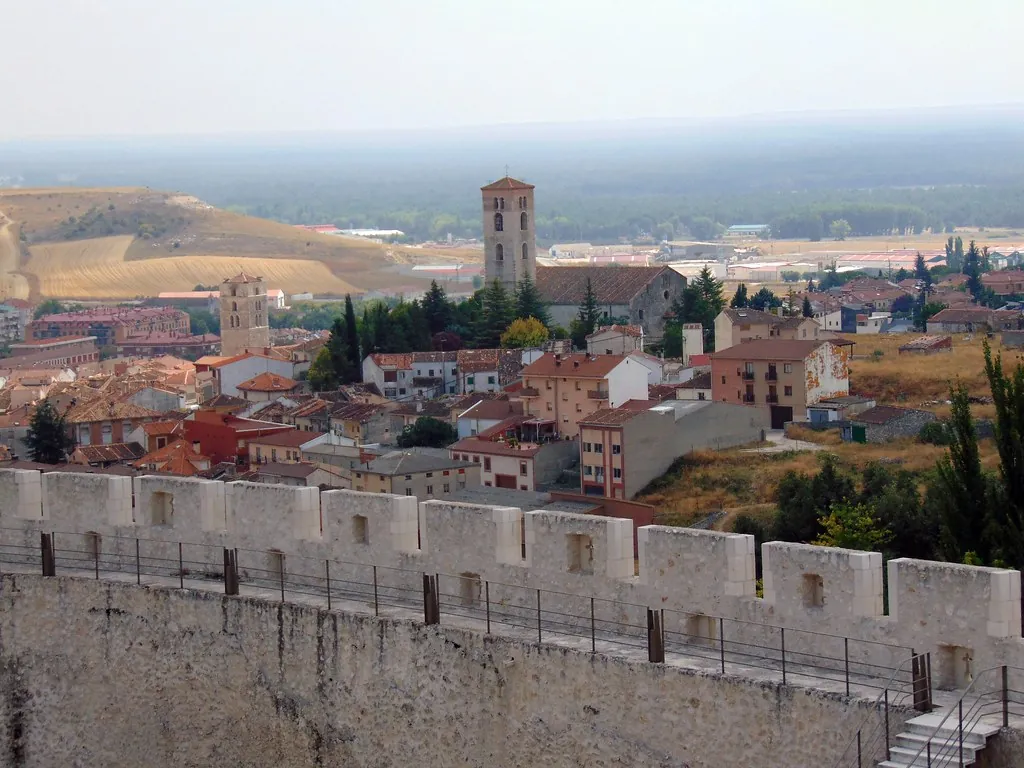
Lo ves todo en media hora. Calles tranquilas, casas de adobe y piedra con tejas curvas, algún portón grande que deja ver un patio interior. No es un decorado restaurado. Se nota el paso del tiempo en las fachadas, y eso le da un aire real, como de sitio que se usa, no que se enseña.
La iglesia de San Pedro Apóstol es la referencia visual. La torre la ves desde lejos entre los pinos y sabes que ya llegas. La construcción que se ve ahora es mayormente del siglo XVI, con sus reformas posteriores. No es una catedral, pero cumple.
Fíjate en los bajos de algunas casas. Muchas tenían bodegas excavadas para guardar el vino y la matanza al fresco. No son museos; a veces solo son una puerta baja en una callejuela. Pero te explican cómo se vivía aquí no hace tanto.
Aquí manda el pinar
El nombre de la comarca lo dice todo: Tierra de Pinares. Kilómetros y kilómetros de pino resinero, un paisaje plano y repetitivo que puede hipnotizar o aburrir, según cómo lo lleves. El silencio aquí es ancho, como solo sabe ser en los llanos de Castilla.
Los caminos alrededor del pueblo son pistas agrícolas de tierra. Ideales para caminar o ir en bici sin sufrir cuestas. No hay miradores espectaculares; el horizonte es la línea recta donde se juntan los pinos con el cielo. El atractivo está en el olor a pino calentado por el sol y en esa paz un poco monótona.
Es el tipo de sitio para dar un paseo largo, sin prisa y sin esperar que pase nada especial. A veces tu cabeza necesita exactamente eso.
El otoño es temporada alta (de setas)
Llegan las primeras lluvias y el monte cambia: aparecen coches aparcados en las entradas de los caminos y gente con cestas de mimbre. Es temporada de níscalos, sobre todo, y también salen algunos boletus.
Coger setas aquí tiene sus reglas. Necesitas saber lo que haces o ir con alguien que sí sepa; no es un juego. En muchos tramos del monte hay regulación sobre cantidades y permisos, así que conviene informarse antes. En los pueblos de alrededor esto es casi una religión; ha sido parte de la economía familiar durante generaciones.
La historia está en lo que ya no se hace
Para entender este sitio, a veces basta con parar a hablar. Hay quien todavía te cuenta cómo se extraía la resina de los pinos –el “sangrado”– para llevarla a las fábricas. Si caminas por el bosque con ojos atentos, verás pinos viejos con las cicatrices diagonales del oficio.
También quedan restos dispersos: eras donde se trillaba, corrales medio caídos para el ganado, pozos antiguos. Son las piezas sueltas del puzzle rural que fue esto durante siglos.
No hace falta guía oficial. Un comentario en la plaza sobre el tiempo o preguntar por un camino suele ser suficiente para entablar conversación.
Comer: planifica fuera
En el pueblo hay lo justo para tomar algo rápido, como corresponde a su tamaño. La estrategia común es usar San Pedro como base para andar por el monte y luego ir a comer a alguno de los pueblos mayores cercanos.
La comida por aquí es la castellana clásica: cochinillo o cordero asado, embutidos de la zona potentes (no esos fiambres finos), potajes contundentes y pan hecho como antes. No busques modernidades ni presentaciones instagrameables. Es comida seria.
Mi recomendación: haz una ruta mañanera por los pinares, date una vuelta por las calles del pueblo y luego pon rumbo a alguna villa cercana para sentarte a comer sin reloj. Así le sacas todo el jugo al día sin forzar la máquina.
Un lugar sin montaje
San Pedro no está preparado para recibir turismo. No hay tiendas chic ni terrazitas estratégicas. Es un pueblo donde se vive, con sus casas cerradas, sus coches aparcados frente al portal y su ritmo lento. A veces apetece precisamente eso: un poco de monotonía honesta, el crujido bajo tus pies de las piñas caídas y la sensación de haber estado, sin más, en un sitio real