Full Article
about Santibáñez de Valcorba
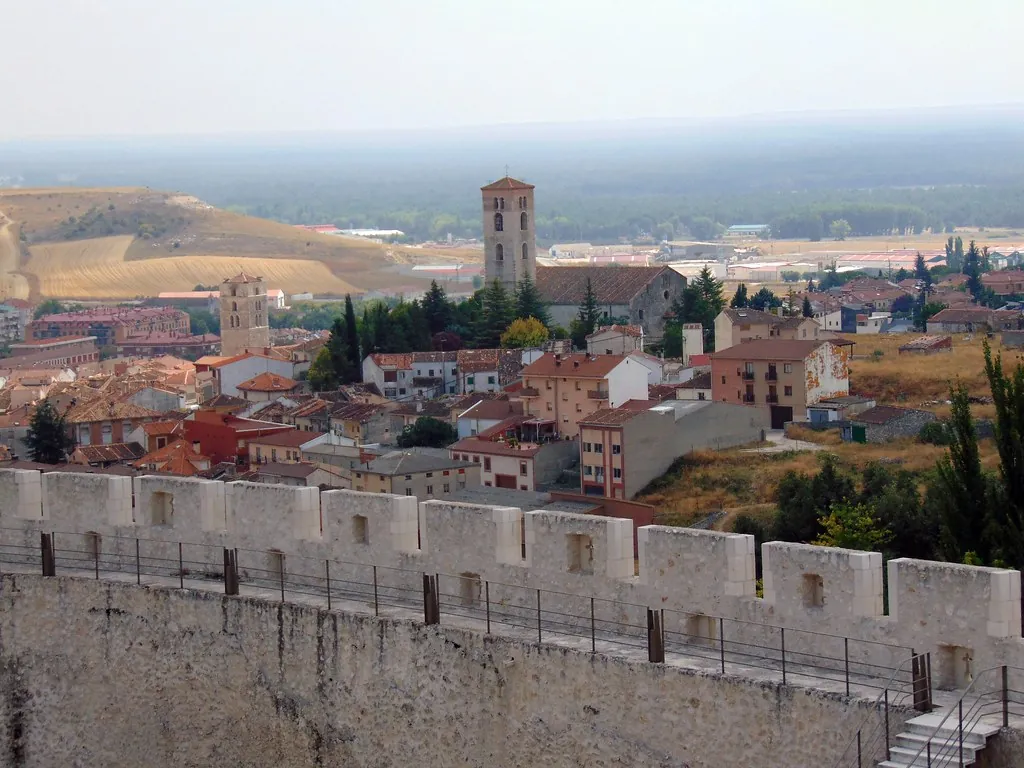
Town in the Valcorba stream valley; noted for its Mudéjar church and natural setting.
Hide article Read full article
Santibáñez de Valcorba en la Tierra de Pinares
Santibáñez de Valcorba se encuentra en el centro de la provincia de Valladolid, dentro de la comarca de la Tierra de Pinares. El pueblo, que ronda los 195 habitantes, se asienta a unos 746 metros sobre el nivel del mar. Su territorio es el de la llanura, donde los pinares se alternan con los campos de cereal en un paisaje que cambia de tono con cada estación.
Esta es una zona de Castilla donde el entorno explica el pueblo. El equilibrio entre el bosque y el labrantío ha definido históricamente no solo el aspecto del lugar, sino también su forma de vida. En verano, los ocres secos del campo dominan la vista; el resto del año, los verdes de los pinos y los barbechos trazan una geometría más suave.
Una economía forestal
La vida en la Tierra de Pinares ha girado durante siglos en torno al bosque. Dos especies son comunes aquí: el pino piñonero y el pino resinero. Ambas sostuvieron la economía local durante generaciones. La extracción de resina, hoy una actividad residual, marcaba el calendario laboral en muchos pueblos de alrededor. La recogida del piñón era otra tarea estacional clave.
Santibáñez aún refleja ese contexto. Los pinares rodean el término municipal, mientras que las tierras de labor ocupan los espacios más despejados. La arquitectura del pueblo es la propia de un núcleo agrícola: casas de diseño sencillo, construidas con los materiales tradicionales de la campiña vallisoletana, como el adobe, el ladrillo o el tapial.
No hay aquí un afán decorativo. Lo construido responde a necesidades prácticas, condicionado por los materiales a mano y las exigencias del trabajo en el campo.
La iglesia de San Juan Bautista
El edificio principal de Santibáñez de Valcorba es la iglesia de San Juan Bautista. Su fábrica data del siglo XVI, aunque ha sufrido modificaciones posteriores. Se alza en el centro del pueblo, actuando como punto de referencia en un caserío más bien disperso.
Exteriormente, es un templo sobrio, en la línea de muchas iglesias rurales de la zona. Su interés no está en la ornamentación, sino en las adaptaciones que ha ido acumulando con el tiempo. En su interior se leen esas intervenciones sucesivas, propias de un edificio que ha necesitado mantenerse útil a lo largo de los siglos.
Su valor reside más en la continuidad que en el impacto visual. Ha permanecido como parte de la vida diaria, evolucionando sin rupturas bruscas.
Calles, palomares y caminos
Santibáñez de Valcorba no tiene un casco histórico pensado para el visitante. Su trazado sigue el patrón de muchas pequeñas localidades agrarias: calles tranquilas, casas bajas y algunas construcciones auxiliares vinculadas al trabajo del campo.
En las afueras aún se ven palomares. Estas estructuras recuerdan una práctica extendida en Castilla durante siglos. Se utilizaban para la cría de pichones, apreciados tanto por su carne como por sus excrementos, que se empleaban como fertilizante. Su presencia añade otra capa al paisaje rural, conectando el pueblo con formas de producción más antiguas.
Los caminos de labor y forestales salen del pueblo hacia los pinares circundantes. No están señalizados como rutas turísticas, pero pueden recorrerse sin mucha dificultad si se presta atención en los cruces. Esta red de senderos responde a un uso cotidiano, no a una planificación lúdica, lo que da al paseo aquí una sensación distinta a la de destinos más preparados.
Caminar entre pinos y tierras abiertas
Los alrededores de Santibáñez son fundamentalmente llanos, aptos para recorrer a pie o en bicicleta. Los caminos que atraviesan los pinares y los campos permiten un movimiento pausado por el paisaje. Eso sí, muchos de estos trayectos se parecen entre sí; conviene llevar un mapa o usar una aplicación de navegación para no perder la orientación.
En otoño se nota un cambio en la actividad. Es habitual ver a gente recolectando níscalos, junto con otras setas propias del pinar. Es una tradición arraigada en la comarca. Quien quiera hacerlo debe informarse de la normativa vigente y respetar siempre las propiedades privadas.
El bosque alberga también una avifauna típica de este medio. Pequeñas rapaces, cárabas y pájaros carpinteros se mueven entre los troncos. Con paciencia y unos prismáticos, los sonidos del monte empiezan a desglosarse. Lo que en un principio parece silencio, gradualmente se vuelve más variado conforme se distinguen distintos cantos y movimientos.
Un lugar que se entiende al ritmo del paseo
Santibáñez de Valcorba es pequeño y se recorre pronto. La mejor manera de hacerse una idea del lugar no es fijarse solo en sus calles, sino salir de ellas. Tomar uno de los caminos que parten del pueblo y andar un rato entre los pinos y los campos abiertos da una impresión más clara del territorio.
Ahí es donde el carácter de la Tierra de Pinares se hace más evidente. La relación entre bosque y tierra de labor, la sencillez de lo construido y la persistencia de prácticas antiguas confluyen en el paisaje que rodea al pueblo.
Más que un lugar definido por monumentos aislados, Santibáñez se comprende a través de su entorno. El pueblo y su medio están estrechamente ligados, y es en esa conexión donde se forma su identidad.