Full Article
about Valdestillas
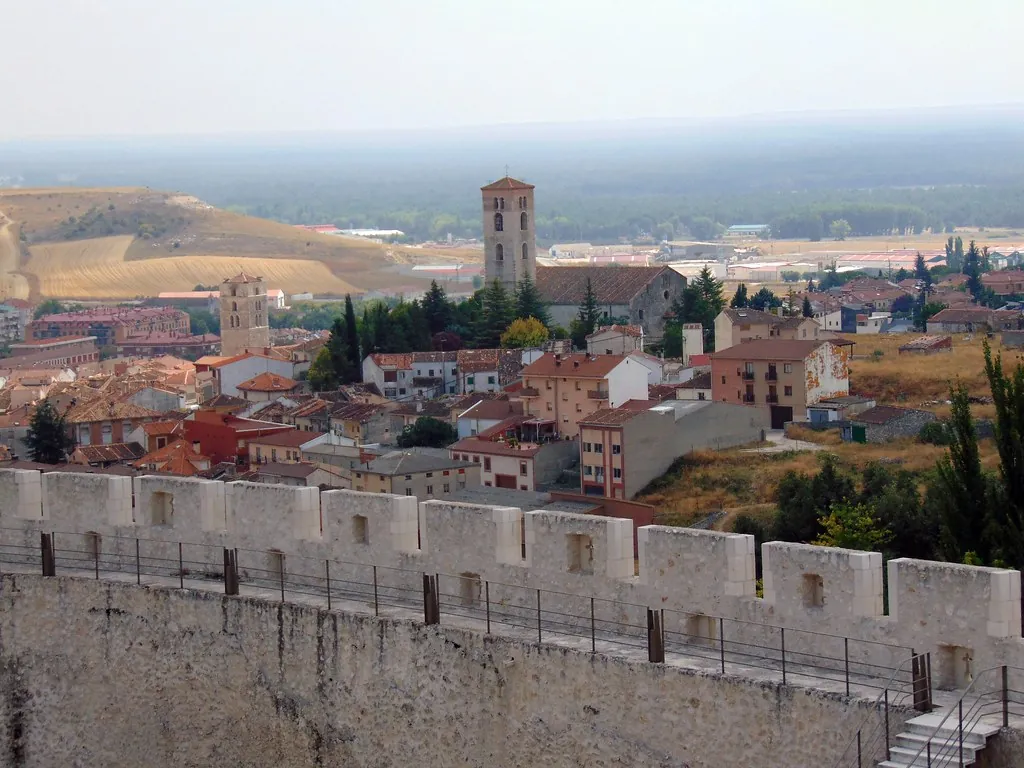
Well-connected town on the Adaja River; noted for its church and the Cristo chapel.
Hide article Read full article
Valdestillas: entre pinares y páramos
Valdestillas se encuentra en el límite sur de la Tierra de Pinares, a unos 25 kilómetros de Valladolid. Su posición, justo donde el bosque resinero cede al páramo cerealista, ha definido su carácter. La altitud, cercana a los 700 metros, se nota en el cielo despejado y en el viento que baja del páramo.
El pueblo vive de esa dualidad. Durante siglos, la resina fue un recurso clave, mientras que los campos de alrededor proveían cereal. Hoy, aunque la economía ha cambiado, el paisaje sigue marcando los ritmos. Muchos vecinos trabajan en Valladolid, pero la vida aquí mantiene una cadencia distinta, ligada al ciclo agrícola y forestal.
La iglesia y la traza urbana
La iglesia de Nuestra Señora del Rosario domina el perfil del pueblo. Su torre, visible desde los caminos de acceso, sirve de referencia. La construcción es del siglo XVI, con reformas posteriores que no ocultan su origen sobrio. El interior es funcional, sin grandes ornamentos, acorde con el carácter práctico de la zona.
La arquitectura popular sigue los patrones de la llanura vallisoletana. Predominan las casas de adobe y ladrillo visto, con fachadas sencillas y alineadas. En algunas calles se conservan bodegas subterráneas, un vestigio de cuando el vino tenía más peso en la economía local. No son visitables, pero su presencia habla de un uso del subsuelo común en estos pueblos.
Un paisaje de trabajo
Los alrededores son llanos, surcados por pistas forestales rectilíneas. Estos caminos, abiertos para la extracción de resina y madera, son ahora ideales para caminar o ir en bicicleta. No hay grandes desniveles.
El contraste es constante: a un lado, el pinar de pino resinero; al otro, la llanura cerealista. En primavera, el verde del trigo choca con la oscuridad permanente del bosque. En otoño, el campo se vuelve ocre y el suelo del pinar se cubre de acículas. Es un paisaje sin estridencias, que se entiende mejor si se piensa en su uso económico histórico.
Cómo moverse por la zona
La red de caminos es extensa y está bien conservada. Se puede recorrer a pie o en bici sin necesidad de mapas complicados; basta con seguir las pistas principales. Por la mañana temprano es frecuente oír pájaros forestales, como herrerillos y carboneros.
En otoño, la actividad cambia. Mucha gente sale a buscar níscalos en el pinar cuando las condiciones de humedad son las adecuadas. Si no se conocen las setas, es mejor ir acompañado por alguien con experiencia.
La gastronomía local refleja los productos de la tierra. El lechazo asado es común en la comarca, al igual que los guisos de caza menor y los platos con setas de temporada. Valdestillas no es zona vinícola, pero está a media hora de las denominaciones de origen de Rueda y Cigales, lo que permite trazar una ruta más amplia por los paisajes del vino en la provincia.
El ciclo anual
Las fiestas principales son en agosto, coincidiendo con el regreso de los vecinos que viven fuera. Hay actos religiosos, música en la plaza y actividades organizadas por las peñas locales. El ambiente es familiar.
La Semana Santa tiene otro tono, más austero. Las procesiones recorren las calles principales con imágenes llevadas por los vecinos. Es una tradición que se mantiene sin aspavientos.
Valdestillas no tiene monumentos excepcionales. Su interés está en observar cómo conviven el pinar, el páramo y el pueblo, en una relación que todavía define el día a día. Se visita mejor sin prisa, entendiendo que lo que se ve es, sobre todo, un paisaje habitado.