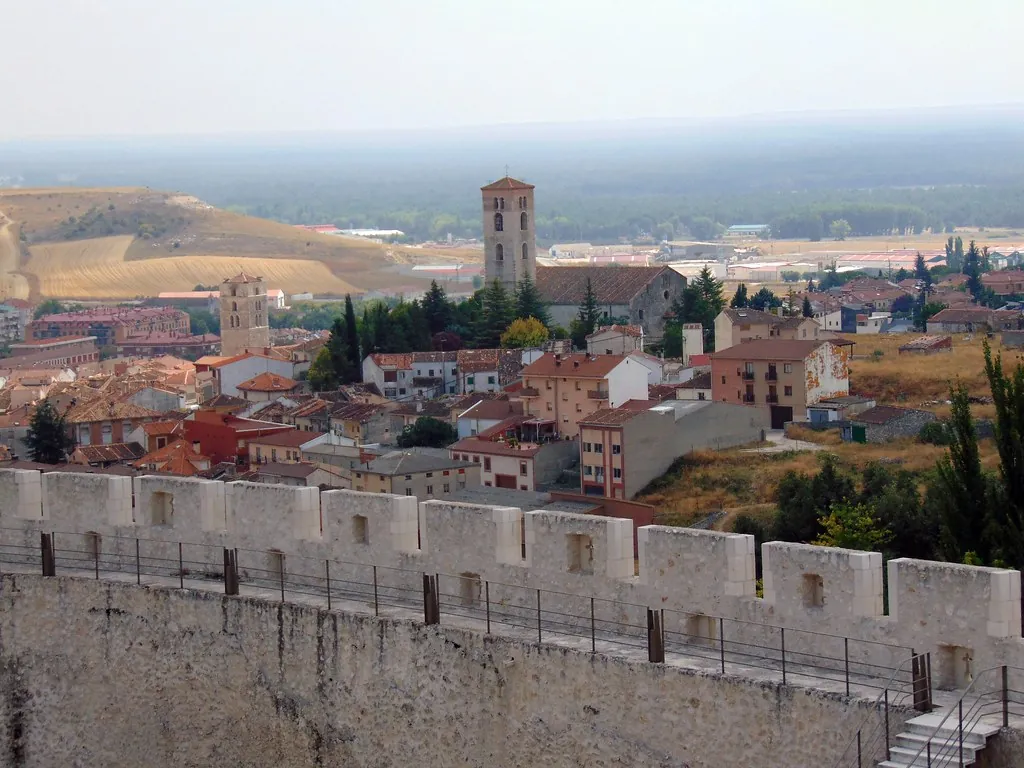
Vista aérea de Villaverde de Íscar
Instituto Geográfico Nacional · CC-BY 4.0 scne.es
Castilla y León · Cradle of Kingdoms

Villaverde de Íscar

The morning resin collectors have already finished their rounds when the church bell strikes seven. By then, the scent of pine hangs thick in the a...

579 inhabitants · INE 2025
760m Altitude

Why Visit

Church of San Sebastián Mushroom and pine-cone gathering

Best Time to Visit

summer

San Sebastián festivities (January) julio

Things to See & Do
in Villaverde de Íscar

Heritage

  • Church of San Sebastián
  • Pine forests

Activities

  • Mushroom and pine-cone gathering
  • Hiking

Festivals
& & Traditions

Fecha julio

Fiestas de San Sebastián (enero), Santa Librada (julio)

Las fiestas locales son el momento perfecto para vivir la autenticidad de Villaverde de Íscar.

Full Article
about Villaverde de Íscar

In the pine-forest region bordering Valladolid; pine-nut production

Ocultar artículo Leer artículo completo

The morning resin collectors have already finished their rounds when the church bell strikes seven. By then, the scent of pine hangs thick in the air at 760 metres above sea level, mixing with woodsmoke from kitchens where breakfast is being sorted. Villaverde de Íscar doesn't wake up so much as exhale—slowly, deliberately, like it's been doing since the Middle Ages when someone first thought to build houses here, 35 kilometres north-east of Segovia.

Five hundred souls call this home. On weekdays the number drops further when commuters leave for Valladolid or Segovia, returning as dusk settles over the cereal fields. What remains is a village that measures time by resin taps drying on pine trunks and by whose turn it is to ring the church bell. The place runs on neighbourly bookkeeping rather than Google reviews.

Adobe walls the colour of dry earth line streets barely two cars wide. Some have surrendered to cement render, others stand patched and honest, showing their brick bones. It's not preservation for Instagram—it's housing that still works. Walk Calle Real early enough and you'll catch the baker's van doing its rounds, selling loaves from the back doors to women in housecoats who've stepped out for bread and gossip in equal measure.

The Forest That Paid the Bills

Step past the last houses and you're immediately in pinar proper—plantations of stone pine and maritime pine planted centuries back when resin paid better than wheat. The tracks start wide enough for tractors, then narrow to footpaths where locals walk dogs and British hikers suddenly realise how quiet 500 people can be. Every trunk shows scars: diagonal slashes where resin was tapped, the cuts healing into dark vertical smiles. Bring walking boots with decent grip—after rain the clay paths turn skating-rink slick.

Two circular routes start from the village proper. The shorter loops south through younger plantation for 4 km, returning past abandoned threshing floors where wheat was once separated from chaff by hand. The longer heads north towards the Arroyo de Íscar, 8 km total, passing stone walls that marked boundaries before GPS made such things quaint. Neither is signed in English; download the Castilla y León hiking app beforehand or simply follow the track and trust that everything eventually circles back to houses and breakfast smells.

Cyclists find their joy here too, though it's gravel-bike territory rather than smooth tarmac. The road to Pedrajas de San Esteban runs 12 km with more potholes than traffic—perfect for testing suspension and patience. Link it with the CU-601 for a 30 km loop that takes in Cuéllar's medieval walls, returning via back lanes where storks nest on telegraph poles like feathered sentinels.

What Passes for Action

The parish church of San Andrés squats at the village centre, its tower more functional than pretty. Inside, the altarpiece is nineteenth-century workmanlike rather than baroque exuberance—this is a farming parish, not a bishop's showcase. More interesting is the stone font where generations were baptised, its rim worn smooth by centuries of elbows and holy water. Sunday mass at 11:30 still draws decent numbers; visitors are welcomed with nods rather than handshakes, Castilian formality being what it is.

For proper historical drama you need to leave. Drive ten minutes to Íscar and climb the medieval castle—rebuilt but still imposing—where views stretch across the Tierra de Pinares and explain why this landscape was worth fighting over. Cuéllar twenty minutes south delivers proper castle tourism: fifteenth-century walls you can walk, a parador in the old fortress, and weekend falconry displays that convince children medieval life was basically Harry Potter with worse plumbing.

Back in Villaverde, entertainment runs to the Bar de la Piscina open June through September, serving cold beer and tortilla to the swimming-pool crowd. It's basic—plastic chairs, no cocktail list—but the coffee is decent and they'll fry you a plate of chips at any hour. The rest of the year social life happens in houses, behind closed doors that open only when you've been introduced twice.

Eating Like You Mean It

There are no restaurants in the village. None. For lunch you need wheels and planning, which is actually honest—this is farming country, not tourist central. Drive ten minutes to Íscar for Asador Casa Juan where lechazo (milk-fed lamb) arrives at the table in terracotta dishes, crackling crisp and requiring nothing more than bread to mop up the juices. A quarter lamb serves two greedy adults; expect €22 per person with wine and pudding. In Pedrajas, Restaurante La Cerca does a set lunch for €14—soup, roast pork, wine, coffee, no choices but plenty of everything.

If you're self-catering, the little shop on Calle Real opens 9-2, 5-8 (except Thursday afternoon when tradition says everyone needs a rest). Stock up on local chorizo—properly air-dried, paprika-heavy—and try the queso de oveja, sheep's cheese that's sharp enough to make your tongue tingle. The bakery van visits Tuesday and Friday; flag it down for still-warm pan de pueblo that tastes of crust and proper fermentation.

When to Bother, When to Stay Away

April and May turn the surrounding fields emerald green against black pine trunks—photographers bring polarising filters. Temperatures sit comfortable in the low twenties; nights drop to ten so pack layers. September repeats the trick with added mushroom possibilities; locals guard their bolete spots but won't mind if you find your own. July and August bake—mid-thirties by noon, the resin so liquid it sticks to boot soles. Accommodation exists but it's thin: two village houses rented to visitors, both booked solid during August fiestas when the population quadruples with returning families and the quiet village discovers volume.

Winter is blunt. At 760 metres frost arrives October, snow by December. The access road from the A-601 gets cleared eventually but four-wheel drive helps. Still, bright days with snow on pines are worth the risk—just ring ahead because the bar closes when custom drops below three customers.

Getting Here Without Tears

From Madrid Barajas it's 90 minutes on the A-1 autopista—toll €17 each way—then exit 99 towards Íscar. The final 10 km is single-carriageway but decent. Public transport exists in theory: twice-daily buses from Segovia to Íscar, then phone for a taxi (€12) because Villaverde has no rank. Hiring a car remains sensible; the village makes a peaceful base for visiting Segovia's aqueduct, Valladolid's museums, even Ávila's walls within day-trip distance.

Stay in one of the two rental houses—Casa Rural El Pinar or Casa de la Abuela—both sleep four, charge €80-120 per night, and come with kitchens that encourage buying local lamb from the butcher who operates Thursday mornings from his garage. Book direct; he's not on Booking.com and prefers phone calls to emails. The alternative is Cuéllar's parador, twenty minutes south, where medieval luxury starts at €130 but breakfast includes proper churros.

Leave expectations of souvenir shops and nightclubs at the city limits. Villaverde de Íscar offers something simpler: a place where the loudest sound at midday is bee-eaters calling overhead, where walking tracks start at the edge of someone's vegetable patch, where dinner conversation still centres on rainfall and resin prices. Some will find it dull. Others will recognise it as the Spain that existed before tourism, still ticking over between the pines, waiting for travellers who can appreciate silence measured in resin drops rather than decibels.

Key Facts

Region
Castilla y León
District
Tierra de Pinares
INE Code
40228
Coast
No
Mountain
No
Season
summer

Livability & Services

Key data for living or remote work

2024
ConnectivityFiber + 5G
Housing~5€/m² rent · Affordable
CoastBeach nearby
Sources: INE, CNMC, Ministry of Health, AEMET

Planning Your Visit?

Discover more villages in the Tierra de Pinares.

View full region →

More villages in Tierra de Pinares

Traveler Reviews