Full Article
about Hiniesta (La)
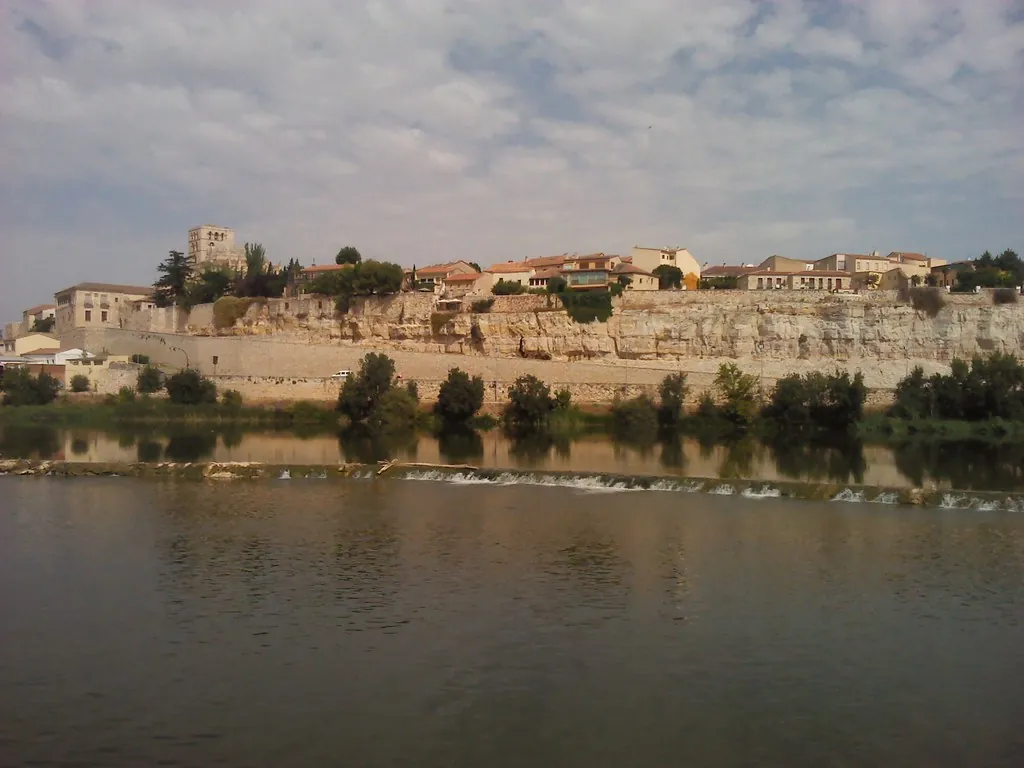
Known for its striking Gothic church, a national monument; a traditional pilgrimage site from Zamora city.
Ocultar artículo Leer artículo completo
The church key hangs on a nail behind the mayor's desk. That's your first clue. La Hiniesta doesn't do visitor centres or audio guides; instead, it offers something increasingly rare in modern Spain – a village that functions exactly as it has for centuries, minus the infrastructure.
Five kilometres northwest of Zamora, this scatter of adobe houses sits at 692 metres above sea level, high enough to catch the breeze that ripples across Castilla y León's breadbasket. The Tierra del Pan lives up to its name: golden wheat fields stretch to every horizon, broken only by the occasional holm oak or the flash of a red kite overhead. It's landscape that demands patience. Stand still long enough and you'll notice the subtle colour shifts – ochre soil against silver-green wheat, the way clouds cast purple shadows across the plain.
The Architecture of Everyday Life
Santa María la Real squats at the village centre, its Romanesque-Gothic bulk more fortress than sanctuary. Built between the 13th and 16th centuries, it shows the architectural equivalent of speaking three languages simultaneously – rounded arches give way to pointed ones, while a Renaissance portal grafts itself onto medieval stone. The interior holds carved misericords depicting agricultural scenes: women grinding grain, men harvesting with sickles. Practical art for people who measured wealth in wheat yields.
The real architecture here is domestic. Adobe walls two feet thick keep interiors cool during summers that regularly touch 35°C, while small windows face south to catch winter sun. Many houses still retain their original wooden balconies, where families once stored grain above the living quarters. Walk Calle Real at dusk and you'll spot modern intrusions – aluminium frames, satellite dishes – but the essential fabric remains. One house collapses, its neighbour stands pristine. It's organic preservation, driven by practicality rather than heritage grants.
Walking Through Agricultural Time
The caminos that radiate from La Hiniesta follow ancient rights of way, originally drove roads for moving livestock between summer and winter pastures. Today they're used by tractors, dog walkers and the occasional birder seeking Great Bustards. These birds – heavy as geese but more cautious – favour the short wheat stubble left after harvest. Bring binoculars and patience; they'll flush at 200 metres if you march, but stand quietly by a stone heap and they might wander within viewing distance.
Spring walks reveal a different palette. Wild asparagus pushes through roadside verges, and locals emerge with carrier bags to harvest it. The plant protected itself with evolutionary irony – the tender shoots appear alongside poison ivy relatives. Learn to distinguish both or risk a dermatitis that lasts weeks. By late May, the wheat heads form a rippling silver sea. Farmers call this "the dance" – when wind creates waves that move across the entire plain like water.
The Practical Matter of Eating
La Hiniesta's single bar opens at 7 am for farmers' breakfasts and closes when the last customer leaves. There's no menu del día; instead, Conchi (who's run the place for thirty years) serves whatever her husband shot or the local market provided. Tuesday might bring cocido stew, Friday could be trout from the Esla river. Vegetarians should manage expectations – even the green beans come with ham. A media ración of tostón (roast pork belly) costs €8 and feeds two; paired with a glass of PradoRey from nearby Rueda, it's honest fuel rather than gastronomy.
For picnic supplies, Zamora's Saturday market offers better choice. Pick up hornazo – a pie containing whole eggs and chorizo, designed to survive field work – and local sheep's cheese that's aged in olive oil. The oil preserves the cheese and softens its bite, creating something that tastes of both barnyard and meadow.
When the Village Returns to Life
Most days, La Hiniesta's population barely tops 200. But arrive during the Romería de Pentecostés – seven weeks after Easter – and you'll share the streets with 3,000 returning locals. This 729-year-old pilgrimage began when villagers carried their virgin to a hillside shrine during drought. The tradition continues: at dawn, residents walk five kilometres to the ermita, carrying the statue while singing medieval hymns. By midday, the shrine's small clearing hosts impromptu picnics. Families who've flown in from Madrid or Barcelona share wine from leather bota bags while children chase through the pine trees.
The evening procession back transforms the village. Houses that seemed abandoned suddenly glow with lights, their inhabitants returned for one weekend. Elderly women in black emerge to watch the virgin pass, murmuring responses to the litany. It's community theatre where everyone knows their role, including visitors – stand, observe, don't block the statue's path.
The Reality Check
Winter here bites. Altitude means frost in October, and January temperatures can drop to -10°C. The wind that cools summer visitors becomes a knife that drives through every layer. Many houses lack central heating; residents move between kitchen and bedroom, living in two rooms rather than heat the whole house. Visit between December and February and you'll understand why entire families decamp to Zamora apartments, returning only for weekend livestock checks.
Summer brings different challenges. The wheat harvest creates dust that coats everything, while temperatures above 30°C persist from June through August. Shade exists only in the church porch and the bar – plan walks for early morning or accept that midday exploration feels like wading through warm water.
Getting There, Getting Away
The school bus from Zamora departs at 2 pm on weekdays, returning at 6 pm sharp. Miss it and you're looking at a €15 taxi ride. Driving makes more sense: the ZA-12 from Zamora takes ten minutes, though GPS occasionally directs visitors down farm tracks that end in wheat fields. Park by the church – there's always space, and locals use the plaza for turning tractors anyway.
Stay in Zamora. The city offers better restaurants, proper hotels and the bonus of Romanesque churches that actually keep consistent hours. La Hiniesta works as a half-day trip, perhaps combined with nearby villages like Toresana or Villaralbo. Come for the wheat fields in June, the bird migration in March, or the Romería if you enjoy organised chaos. Don't come expecting revelations – come expecting space, silence and the rare experience of watching Spain function without tourism's filter.