Full Article
about Roales
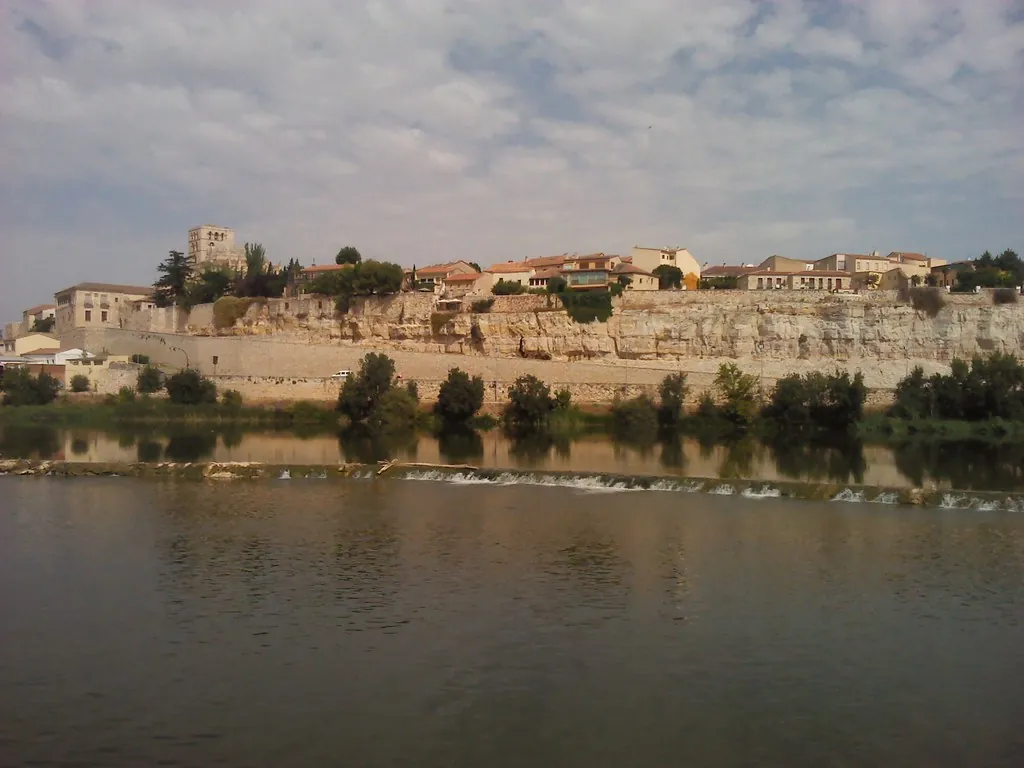
Municipality bordering Zamora capital, rapidly expanding; historic site of the battle of Roales with commemorative monolith
Ocultar artículo Leer artículo completo
The corrugated tin roofs glint like fish scales when the afternoon sun hits them. From the approach road, Roales appears almost toy-like against the wheat plains—a cluster of low buildings with metal hats, surrounded by fields that stretch until they blur into sky. It's a sight that makes some visitors snigger about the local roofing supplier's good fortune, but these practical roofs speak of a place where function trumps aesthetics every time.
Roales sits at 700 metres above sea level in Tierra del Campos, Castilla y León's breadbasket region. The village's 5,000 residents live where the Meseta's cereal fields meet the horizon, a landscape that changes colour with the seasons—from emerald green in spring to the burnished gold of harvested wheat. The altitude brings sharp temperature swings: summer days can top 35°C while winter nights plunge below freezing. Wind is constant, whipping across the open plains with nothing to break it for kilometres.
The Architecture of Everyday Life
The parish church dominates the modest skyline, its stone bell tower rising above the tin roofs with typical Castilian restraint. Built from local stone in simple lines, it's been modified over centuries—each renovation leaving traces visible to those who look closely. The tower's silhouette against the vast sky has guided locals home from the fields for generations.
Wander the quiet streets and you'll see the architectural DNA of rural Castilla: adobe and rammed-earth houses, their walls thick enough to keep interiors cool during scorching summers. Wooden doors, weathered grey by decades of sun and wind, lead to interior courtyards where families once kept animals. Some properties still sport the conical chimneys typical of Zamora province, though fewer remain intact each year. Underground wine cellars hint at vanished domestic vineyards—most families now buy wine rather than produce it, though a few maintain small batches for special occasions.
The corrugated roofing that amuses visitors arrived for practical reasons. Traditional terracotta tiles crack under the region's temperature extremes and occasional hailstorms. Metal sheets, though less photogenic, last decades with minimal maintenance. It's this practicality that defines Roales—nothing exists for show, everything serves a purpose.
Living With the Land
The village rhythm follows agricultural cycles. April brings the hum of tractors preparing fields; June sees harvesters working through the night to catch the narrow window between crop readiness and summer storms. Locals gauge time by what's happening in the fields rather than calendar dates. "Come back when they're burning the stubble," one farmer suggests, referring to the autumn practice of clearing wheat residue—an event that transforms the landscape into a patchwork of smoking black rectangles.
This is steppe country, home to Spain's little-known prairie wildlife. Great bustards, pin-tailed sandgrouse and calandra larks inhabit the fields, though spotting them requires patience and binoculars. Dawn and dusk offer the best chances, when birds move between feeding and roosting sites. The lack of designated hides or marked trails means wildlife watching happens on nature's terms—no guarantees, no crowds, just you and the open plain.
Cycling the agricultural tracks provides a gentle way to explore, though the flat terrain deceives. Twenty kilometres into a headwind teaches respect for the Meseta's invisible topography. Summer rides demand early starts—by 11am the heat becomes oppressive and shade nonexistent. Spring and autumn offer kinder conditions, with April's green wheat creating an inland sea that waves in the breeze.
Food and Fire
Roales shares Zamora province's robust cuisine. Roast suckling lamb appears at weekend family gatherings, slow-cooked until the meat falls from the bone. Chorizo and morcilla from winter pig killings flavour stews through the year. Local chickpeas, prized throughout the province, form the base of hearty winter pots. The village's restaurants—there are three—serve these dishes without fuss or fanfare. Expect to pay €12-15 for a three-course lunch including wine, less if you follow the workers to Bar Central at 2pm sharp.
The annual fiestas in August transform this quiet place. Temporary bars appear in the main square, brass bands play until dawn, and families who've scattered to Madrid or Valladolid return to pack the streets. The atmosphere combines village reunion with proper Spanish party—children racing between adults' legs at 3am while grandparents gossip over plastic cups of wine. Accommodation becomes impossible to find unless you've booked months ahead or have relatives with spare beds.
January's San Antón celebrations keep older traditions alive. Locals gather around bonfires to bless animals, a practice dating to when rural life depended on livestock survival. The fires provide welcome warmth during the Meseta's bitter winter nights, when temperatures can drop to -10°C and wind makes it feel colder. These aren't tourist spectacles—they're living customs that continue regardless of visitor numbers.
The Practical Reality
Getting here requires determination. No trains serve Roales; the nearest station is Zamora, 12 kilometres away on winding country roads. Buses run twice daily from Zamora—morning and early afternoon—though Sunday service is patchy. Hiring a car transforms the experience, opening access to the region's scattered villages and allowing dawn wildlife expeditions. The roads are good but empty; fuel up in Zamora as village petrol stations close early and charge premium prices.
Accommodation options remain limited. There's one small hotel, family-run and basic, charging around €45 per night including breakfast. Rooms face either the wheat fields or the village's quiet streets—request a field view for sunrise over the plains. The hotel restaurant closes at 10pm sharp; arrive late and you'll be cooking with whatever the village shop stocks. Alternative options include renting village houses from departing families, though these require minimum week-long stays and Spanish language skills to arrange.
Weather dominates daily life here. Spring brings sudden storms that turn dirt roads to mud; summer sun is relentless with temperatures regularly exceeding 35°C; autumn fog can linger for days, isolating the village in a white cocoon. Winter brings its own beauty—frost patterns on the metal roofs, smoke rising straight up on windless days, the silence of empty fields. Each season demands different strategies for comfort and survival.
Roales won't suit everyone. Those seeking picturesque Spain will find the corrugated roofs jarring. Beach lovers will despair at the landlocked location. Foodies might find the culinary scene limited compared to San Sebastián or Barcelona. But for travellers curious about how rural Spain actually functions—how families survive on the plains, how traditions persist without tourist subsidies, how life continues when the world isn't watching—Roales offers an unfiltered window onto the Meseta's enduring rhythms.