Full Article
about Castronuño
Known as the Gran Florida del Duero for its river bend; noted for its nature reserve and hilltop Romanesque church.
Ocultar artículo Leer artículo completo
The first thing you notice is the hush. Stand on the stone lip above the Duero at dusk and the only sounds are the river pushing against the weir and the clatter of storks coming home to roost on the ruined castle turret. Castronuño, population 682, sits 700 m above sea level on a basalt ridge that lets you survey three provinces at once. Locals call the balcony el mirador; bird-watchers call it row A, seat 1.
A village that turned its back on drama
Castronuño never bothered with the postcard playbook. The grid of ochre houses was laid out for farmers, not tourists, and the weekly rhythm still revolves around tractors rather than tapas trails. That suits the river, which widens here into the San José reservoir and slows enough for marsh harriers to quarter the reeds. In 1995 the regional government ring-fenced 8 000 ha as the Reserva Natural Riberas de Castronuño-Vega del Duero; overnight the village became an accidental gateway to one of inland Spain’s quietest wetlands.
The reserve’s Casa del Parque is the only public building that opens on Monday. Inside, English handouts list the 214 species logged so far: glossy ibis in April, black-shouldered kites all year, the occasional osprey that overshot Andalucía. You can borrow a key for the two waterside hides, but the staff admit most people prefer the terrace upstairs – coffee €1.20, binoculars optional, white storks guaranteed at eye level.
What passes for sightseeing
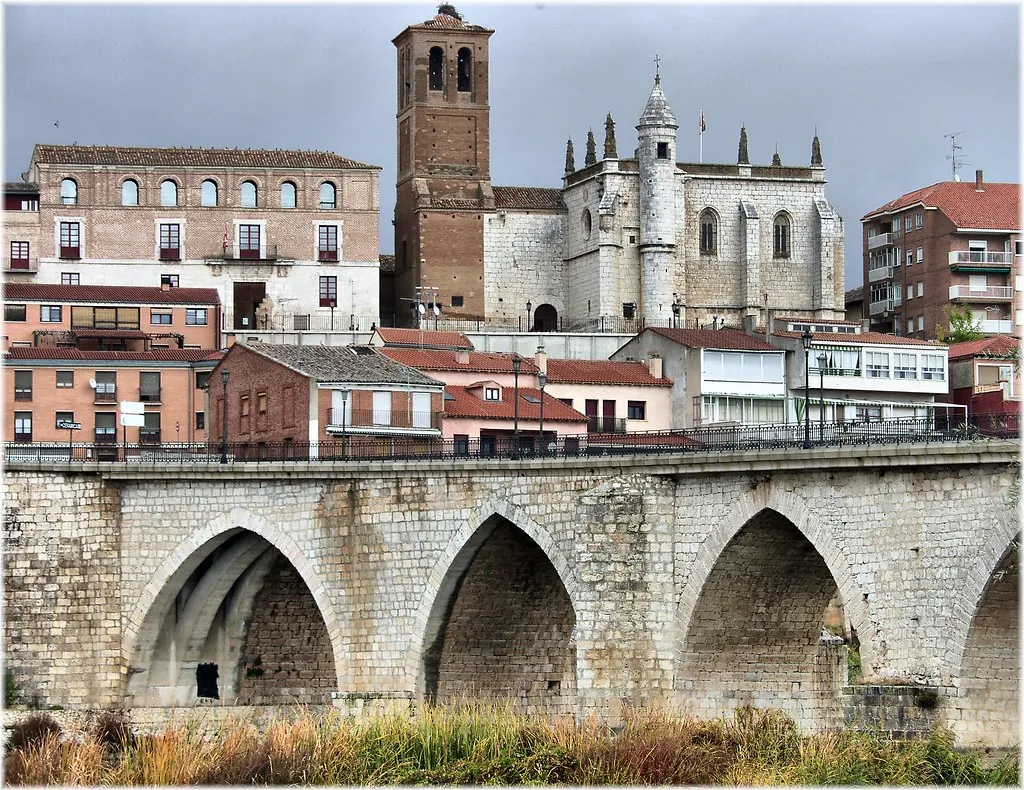
The sixteenth-century Iglesia de Santa María del Castillo squats where the medieval castle keep used to be; the tower is square, the stone is warm walnut, and the door is only open when the key-holder finishes lunch. Ask in the bakery opposite – if the loaf is still baking you’ll wait on a plastic chair and hear how the priest refuses to fix the leaky roof until the council trims the storks’ nest that blocks the gutter. Inside, the retablo is pure mid-Renaissance swagger, but the guidebook highlight is a crabby 1630 notice threatening excommunication to anyone who steals grapes. Times change; the local economy doesn’t.
Below the church the streets are too narrow for two cars to pass, so traffic is mostly dogs and the odd Seat Ibiza heading for the cooperative winery. Adobe walls bulge like settled cake; here and there a family crest is chiselled into the stone, reminder that wool money once outranked wine money. The village museum is one room with a stuffed otter and a 1947 radio that still works. Donation box, no change given.
Walking without peaks
You don’t come to Castronuño for altitude records – the highest summit in sight is the 80 m basalt escarpment that drops to the water – but the flat trails suit anyone who dislikes panting. The Sendero de los Almendros is a 6 km loop that starts behind the football pitch and threads through almond groves to an iron-age lookout. Late February brings blossom; October brings small copper butterflies drunk on rotting fruit. Either season, the river glints through the branches and you’ll meet more hoopoes than humans.
Serious hikers use the village as a staging post on the 45 km Camino del Duero that links Tordesillas to Toro. Stage one ends here, which explains the occasional mud-splattered German emerging from the reeds asking nervously for Weissbier – they’re out of luck; the nearest lager is 18 km away in Alaejos.
Eating between silences
There are two bars. Both close when the last customer leaves, and that can be 4 p.m. or 11 p.m. depending on the harvest. Mesón de Castronuño does a half-portion of roast suckling lamb (€12) that won’t leave you comatose in the afternoon heat; accompany it with a corte of local Toro red – 125 ml, enough to taste the 15 % alcohol without missing the last bus. River pike appears as lucio a la ribera, bone-free and firm, almost like British cod but with a faint muddy echo that reminds you it spent its life circling reservoir olives dropped by autumn pickers.
Vegetarians get the staples: judiones butter beans stewed with paprika, and a tomato-pepper salad that tastes of actual sunshine. Pudding is usually arroz con leche eaten lukewarm; ask for cinnamon on top or they’ll assume you’re diabetic. No-one takes cards: the nearest ATM is back in Alaejos, so bring cash or wash dishes.
Seasons, crowds (or the lack of them)
Spring migration peaks late March to mid-May – expect thirty-odd species before coffee, but also expect a north wind that slices straight through a fleece. Summer is furnace-hot; the reservoir shrinks and birds disperse, though village fiestas at the end of June inject fireworks and a temporary fun-fair that blocks the only through-road. Autumn brings the grape harvest and the occasional vendimia open day when the cooperative lets you stomp barefoot; the juice is sweet, the wasps are aggressive, the photos are splendid.
Winter is the surprise package. Mid-December to February the water level rises, ducks pour in, and the hides are warmed by low-angle sun. Daytime temperatures hover around 10 °C – jumper weather, not thermal – and you’ll share the viewpoint with perhaps two Spanish photographers and a retired couple from Norfolk. Snow is rare; access is easy; hotel prices in nearby Toro drop to €45 for a double.
Getting here, getting out
Public transport is a scholastic myth: one school bus leaves Valladolid at 14:15 on term-time weekdays, returns at 07:00 next morning. Hire a car at Valladolid airport (Ryanair from Stansted, May-October) and you’re on the A-62 for 35 minutes, then 18 km of empty VO-122 that unwinds like a tarmac ribbon across vineyards. Madrid is 1 hr 45 min door-to-door on the toll-free A-6 and AP-6, but watch the speed cameras at kilometre 102 – they finance the regional council.
Mobile coverage fades two minutes after the last house. Download offline maps, fill the tank in Tordesillas, and remember that Google thinks the visitor centre opens Sundays – it doesn’t. Monday travellers find the place locked and the storks unsympathetic.
Worth it?
Castronuño will never compete with Segovia’s aqueduct or Bilbao’s Guggenheim. It offers instead a manageable slice of Spain that hasn’t bent itself into holiday shape: a river, a ridge, a bar that may or may not serve dinner. If your idea of travel runs to check-lists and selfie backdrops, stay on the motorway. If you’re happy to trade nightlife for night herons, pack binoculars and come before the rest of Britain notices the Duero has a quiet side.