Full Article
about Piñero (El)
A Tierra del Vino village with a notable parish church; farmland and vineyards in a quiet setting.
Ocultar artículo Leer artículo completo
The thermometer reads eight degrees cooler than Zamora city, twenty minutes down the road. At 744 metres, El Pinero sits high enough for the air to carry a sharp edge, even in May, and for the surrounding vineyards to ripen ten days later than those on the valley floor. This is Spain's Tierra del Vino at its most literal: a place where altitude dictates everything from grape harvest dates to whether you'll need a jacket at lunch.
The Village That Wine Forgot to Modernise
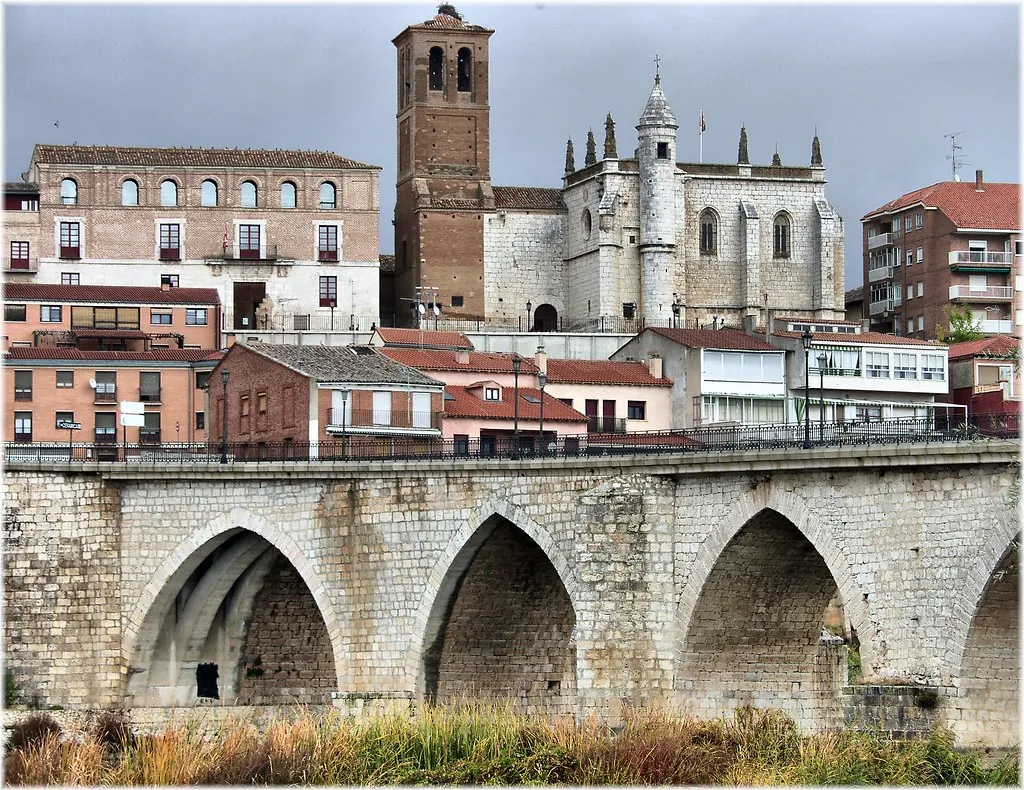
Drive south-east from Zamora on the A-66 and watch the landscape flatten into cereal fields, then buckle gently into hills. Take the CM-1037 exit towards Arcenillas, follow signs for El Pinero, and the tarmac narrows to a single-track road that climbs through wheat and scrub. The village appears suddenly: stone houses clustered around a modest church tower, with streets that dead-end into vineyards.
What strikes first-time visitors isn't what's here, but what isn't. No boutique hotels occupying restored manor houses. No wine bars with chalkboard tasting menus. No shops selling local olive oil at airport prices. Instead, you'll find perhaps the most honest agricultural village left in Castilla y León's wine region: a place where tractors outnumber tourists and where the morning bread van still honks its arrival.
The population hovers around 200, though exact numbers fluctuate with agricultural seasons and university terms. Many houses stand empty, their stone facades intact but windows shuttered year-round. Others show obvious renovation attempts—uPVC windows wedged into medieval walls, satellite dishes bolted above wooden balconies. It's neither perfectly preserved nor completely modernised, existing in that awkward middle ground that characterises so much of rural Spain.
Walking Through Someone's Backyard
El Pinero's attractions require adjustment of expectations. The 16th-century church (dedicated to San Pedro, though you'd need to ask a local to confirm) opens only for Sunday mass and festival days. Its plain stone exterior reveals more history than the interior: look for the different coloured limestone blocks near the base, remnants of an earlier mosque that stood here during Moorish occupation.
What the village does offer is access—to agricultural tracks that fan out across the countryside, to bodegas that aren't bodegas in the tourist sense, to a way of life that continues regardless of visitor numbers. Start at the plaza mayor, where elderly residents occupy the same bench every morning, and pick any street that heads downhill. Within five minutes you're among vineyards belonging to local families, many planted with the local Prieto Picudo grape variety that struggles to ripen at this altitude.
The walking is easy but unmarked. Tracks lead towards Casaseca de las Chanas (4 kilometres north) or Villaralbo (6 kilometres west), passing through alternating patches of vines, olives and almond trees. Spring brings wild asparagus along the verges; autumn carpets the paths with sweet chestnuts from scattered groves. There's no signage, no distance markers, no emergency call boxes—just the understanding that mobile phone coverage disappears in every valley.
Wine Without the Theatre
El Pinero forms part of the Tierra del Vino denomination, yet contains no commercial wineries. Instead, wine production happens in family cellars, often converted from 18th-century houses with underground storage excavated into the clay subsoil. These aren't tourist facilities: you'll recognise them by the heavy wooden doors at street level, slightly ajar during harvest season, revealing stone steps descending into darkness.
Knocking might earn you a tasting, but probably won't. The wine made here—dark, high-acid reds from Prieto Picudo grapes—never reaches shops. Families consume most themselves, sharing the remainder with neighbours during fiestas. Production methods haven't changed substantially since the 19th century: grapes ferment in open stone lagares, feet provide the pressing, and ageing happens in 500-litre American oak barrels that last decades.
For organised wine tourism, drive 15 minutes towards Zamora city. Bodegas Almaroja in Villaralbo offers proper tastings (£8-12 for three wines, advance booking essential). Their Pícaro del Águila represents the modern face of Tierra del Vino: clean, fruit-forward reds that bear little resemblance to the rustic versions made in El Pinero's cellars.
When to Visit, When to Stay Away
April and May transform the surrounding hillsides into a patchwork of green wheat, yellow mustard flowers and fresh vine leaves. Temperatures reach 18-20°C at midday but drop to single figures overnight—pack layers. This is also when agricultural activity peaks: tractors crawl along village streets at dawn, and the air carries diesel fumes mixed with wild herb scents.
July and August empty the village completely. Anyone with children relocates to Zamora or the coast, leaving El Pinero to the elderly and the heat. Temperatures might read 30°C on weather apps, but feel hotter thanks to altitude radiation. The only accommodation option, Casa Rural Los Pinares, closes during August—owners flee to Galicia like everyone else.
September brings the grape harvest and the village's busiest period. Suddenly every house shows signs of life, with extended families returning to help with picking and crushing. The atmosphere buzzes with activity, but accommodation becomes impossible to find. Camp sites in Zamora province don't exist; nearest options involve 45-minute drives towards Salamanca.
Winter hits hard at this elevation. When Zamora city reports frost, El Pinero gets snow. The access road closes during heavy falls—usually two or three times between December and March—and mobile phone reception becomes even more erratic. Those stone houses that look so atmospheric in photographs feel genuinely medieval when the north wind howls through gaps in the walls.
Eating, Sleeping and Practical Realities
Let's be clear: El Pinero isn't set up for tourism. The single bar, Casa Ricardo, opens sporadically—usually weekend lunchtimes, occasionally weekday evenings if Ricardo feels like it. Coffee costs €1.20 but arrives as instant Nescafé unless you specifically request café de máquina. They serve no food beyond crisps and tinned olives.
The village contains no restaurants, no shops, no cash machine. The nearest supermarket sits 12 kilometres away in Villaralbo; the closest proper restaurant (Asador Casa Curro, specialising in lechazo—roast suckling lamb) requires driving to Zamora city. Prices match British expectations: £18-22 for a main course, £25 for a decent bottle of local wine.
Accommodation means Casa Rural Los Pinares, three kilometres outside the village towards Arcenillas. Three double rooms (£65-80 per night, minimum two nights) occupy a converted stone house with swimming pool and vineyard views. Owner María speaks limited English but communicates enthusiasm effectively through gestures and repeated wine pouring. Breakfast includes homemade membrillo (quince jelly) and fresh bread driven in from Zamora each morning.
Car access is essential. Public transport doesn't reach El Pinero—the daily bus from Zamora stops running in 2012 and never resumed. Taxis from Zamora city cost €35-40 each way, with no guarantee of finding return transport. Road conditions vary: the final three kilometres feature more potholes than surface, and satellite navigation systems consistently direct drivers towards a farm track that dead-ends in a wheat field.
El Pinero offers something increasingly rare in modern Spain: a wine region village that tourism hasn't transformed into a parody of itself. No souvenir shops, no weekend craft markets, no Michelin-recommended restaurants occupying 12th-century monasteries. Just a community continuing agricultural traditions that predate the European Union, at an altitude that keeps away the tour buses. Visit expecting nothing more than a glimpse of rural Castilla y León, and you'll leave understanding why some places resist change—and why that's not necessarily a problem requiring solution.