Full Article
about Seca
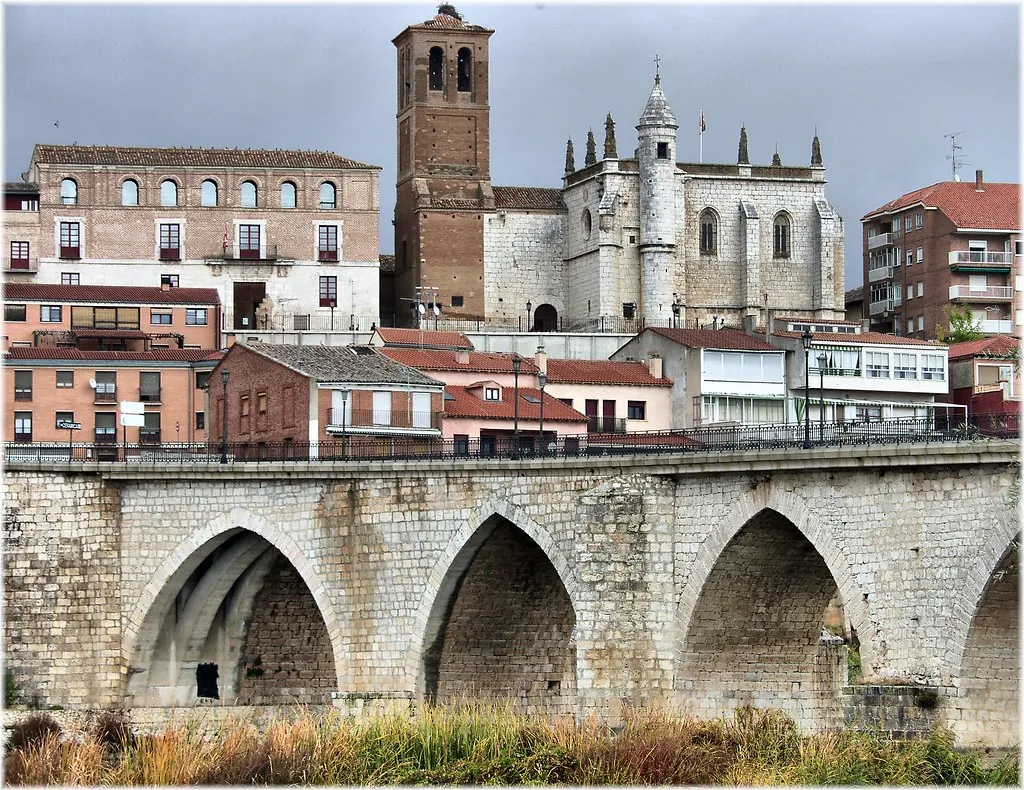
Heart of the D.O. Rueda with the largest vineyard area; known for its many wineries and the church of la Asunción
Hide article Read full article
La Seca es un pueblo que huele a tierra y vino
Llegas a La Seca y lo primero que haces es bajar la ventanilla. No es por el calor, que también, sino porque el aire tiene un olor distinto: a tierra seca, a cepa vieja y a ese polvo blanquecino que se levanta de los caminos agrícolas. Es el tipo de lugar donde ves más tractores aparcados que coches en la plaza. El vino aquí no es una atracción turística; es lo que hay.
Está a unos 25 kilómetros de Valladolid, una media hora en coche. No vengas buscando un casco histórico perfectamente restaurado. Las calles son estrechas, las casas de adobe y piedra tienen portones grandes para que entrara el carro, y el conjunto tiene una utilidad agrícola que no ha tenido mucho motivo para cambiar. Es práctico, no bonito. Y en eso está su interés.
El paisaje lo explica todo. Son viñas hasta donde alcanza la vista, mezcladas con algún cereal. La llanura es tan abierta que parece que el cielo empieza desde el suelo. En primavera todo es un verde intenso; en otoño, las hojas de las viñas se ponen rojas y amarillas de una manera que hasta al más despistado le entran ganas de sacar el móvil.
Un paseo por las calles (y lo que hay debajo)
Todo gira alrededor de la iglesia de San Juan Bautista, del siglo XVI. Su torre es el punto de referencia para no perderse, que tampoco es fácil en un pueblo de estas dimensiones. Pasear por aquí tiene algo laberíntico; acabas siempre volviendo a la plaza sin saber muy bien cómo.
Lo más curioso, sin embargo, está bajo tus pies. Bajo muchas casas y solares hay bodegas subterráneas excavadas en la roca caliza, algunas con siglos de antigüedad. Se usaban para guardar el vino a temperatura constante. La mayoría son privadas y no están abiertas al público, pero si preguntas con tiempo en el ayuntamiento o en alguna bodega local, a veces organizan visitas a alguna. Merece la pena intentarlo solo para bajar y notar ese frescor seco.
El barrio antiguo invita a mirar los detalles: paredes encaladas, puertas de madera maciza con herrajes oxidados por el tiempo, y algún patio interior que se vislumbra tras un portón entreabierto. No hay mucho intervencionismo moderno, así que la estructura del pueblo sigue siendo la de siempre: todo converge en la iglesia y la plaza.
Si sales del casco urbano por cualquier camino, te metes en la viña al momento. Son pistas de tierra anchas, hechas para maquinaria agrícola, pero perfectas para caminar o ir en bici. Eso sí: olvídate de la sombra y del agua. Aquí la sombra te la hace tu propio sombrero y el paisaje es puro horizonte.
Verdejo, caminos y cuchara
Es obvio que mucha gente viene por el vino. Estás en plena Tierra del Vino y la uva verdejo manda. Algunas bodegas hacen visitas con cata, sobre todo en época de vendimia o cuando hay más movimiento. No esperes espectáculos ni museos ultramodernos; suelen ser recorridos sencillos entre depósitos y barricas, explicados por alguien que realmente trabaja allí.
Otra forma de entenderlo es caminarlo. La red de caminos rurales conecta La Seca con pueblos vecinos como Rueda o Medina del Campo. No son rutas de alta montaña con paisajes épicos; son trayectos llanos entre viñedos donde es más probable cruzarte con un agricultor en su tractor que con otro senderista.
Para comer, se sigue la tradición castellana sin complicaciones: legumbres guisadas lentamente, asados de horno de leña cuando hay celebración y platos contundentes para aguantar el día en el campo. El vino está en la mesa como un elemento más, sin ceremonias.
Fiestas: cuando el pueblo late al ritmo del campo
El calendario aquí lo marca el campo. En mayo suele celebrarse San Isidro Labrador, con una romería campestre como en tantos pueblos agrícolas. Las fiestas grandes son las de San Juan Bautista, alrededor del 24 de junio. Entonces las calles se llenan de gente, hay procesión, música en la plaza hasta tarde y ese ambiente festivo que transforma un pueblo tranquilo durante unos días.
Pero el momento más genuino llega en septiembre con la vendimia. No es un evento organizado para turistas; es trabajo puro. Si coincides esos días verás los remolques cargados de uva entrando a los lagares, gente en las viñas desde primera hora y ese nerviosismo productivo que marca el fin del verano aquí. Te das cuenta entonces de que el vino no empieza en una copa, sale directamente de esta tierra plana, polvorienta e increíblemente viva