Full Article
about Matilla de los Caños
A village near Tordesillas with an old airfield; noted for its church and the vega landscape.
Hide article Read full article
Matilla de los Caños en la Tierra del Vino
Para entender Matilla de los Caños hay que mirar primero la llanura. El pueblo se encuentra al sur de Valladolid, en la comarca de la Tierra del Vino, un territorio de horizontes abiertos donde el cereal y la vid han marcado el ritmo de la vida durante siglos. Hoy viven aquí algo más de cien personas. La escala es pequeña, pero su disposición y su historia son un reflejo claro de la Castilla interior.
No es un lugar de monumentos destacados. Su interés está en cómo muestra la relación entre el terreno y el asentamiento humano. El paisaje abierto, el ciclo agrícola y el trazado tranquilo del pueblo hablan de una continuidad que aún define la zona.
Un asentamiento medieval en la llanura
Como ocurre con otras localidades de esta parte de la provincia de Valladolid, Matilla de los Caños parece haberse formado durante la repoblación medieval, entre los siglos XI y XIII, tras el avance de los reinos cristianos por el valle del Duero. Estos núcleos solían comenzar como pequeñas comunidades agrarias vinculadas a villas mayores o a instituciones eclesiásticas.
El nombre del pueblo da una pista sobre su origen y su entorno. "Caños" suele referirse a conducciones o salidas de agua, un elemento valioso en una zona de secano. Estos puntos abastecían tradicionalmente a vecinos y ganado. En algunos lugares de la Tierra del Vino se conservan estructuras de piedra relacionadas con estas fuentes, aunque muchas cayeron en desuso con la llegada del agua corriente.
Durante generaciones, la economía local giró en torno al campo. Primero dominó el cereal, con la vid ganando importancia en distintos periodos. Las casas que aún bordean algunas calles reflejan esta vida rural. Construidas con adobe y tapial, se diseñaron para lo práctico: la vivienda se combinaba con corrales y dependencias para guardar grano, herramientas o animales. La arquitectura sigue a la función, condicionada por el clima y el trabajo.
La iglesia como eje
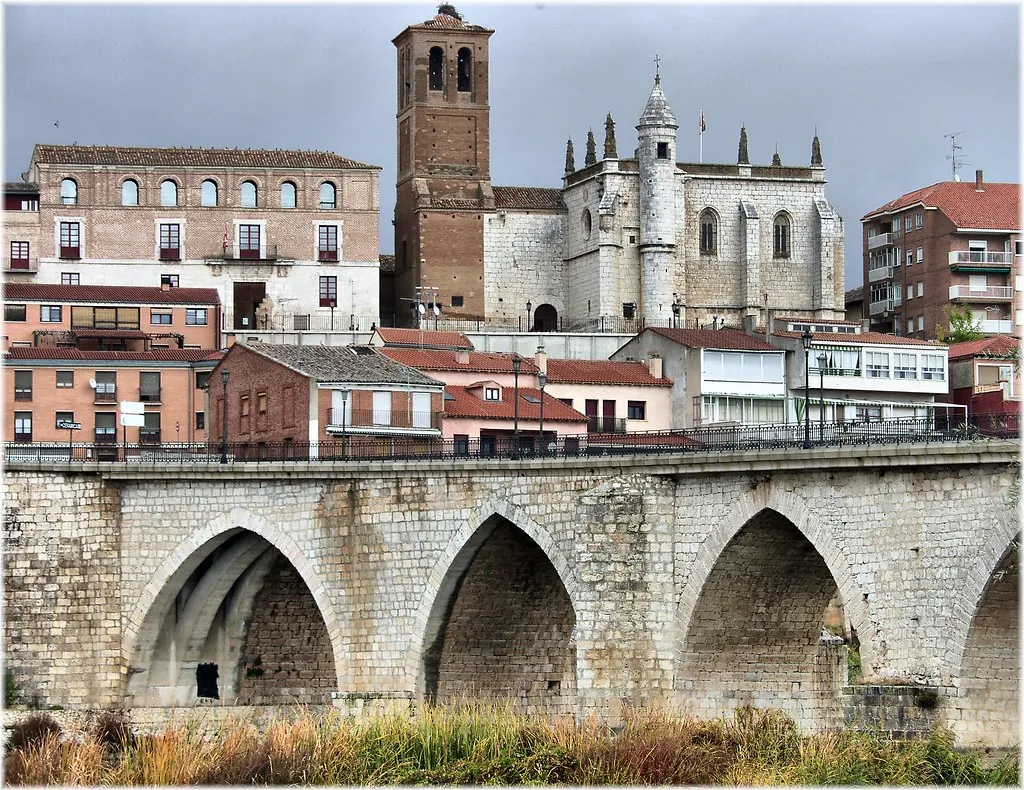
En el centro del pueblo está la iglesia parroquial, un edificio que suele agrupar distintas fases constructivas, algo común en gran parte de Castilla. Estas iglesias tienen a menudo una base bajomedieval o del siglo XVI, con reformas posteriores en los XVII y XVIII, cuando muchas parroquias se ampliaron o actualizaron.
Más allá del interés arquitectónico, la iglesia ayuda a explicar la organización del pueblo. Las calles principales y los espacios comunes se ordenan a su alrededor. Durante siglos fue el punto donde convergía la vida religiosa, las decisiones locales y las celebraciones comunitarias. Su posición no es casual; es central para entender cómo funcionaba el asentamiento.
El resto del pueblo sigue un trazado sencillo. Las calles tienden a ser rectas, las parcelas son relativamente amplias y las construcciones mantienen una altura baja. Dominan materiales como el adobe, el ladrillo y la piedra local. Estas elecciones no fueron estéticas, sino prácticas, adecuadas para soportar los inviernos fríos y los veranos secos del interior castellano.
El paisaje de la Tierra del Vino
Los alrededores de Matilla de los Caños los definen las llanuras vallisoletanas. El terreno es mayormente llano, con vistas largas y muy pocos accidentes que rompan el horizonte. El cambio estacional se ve menos en la forma del terreno que en el color cambiante de los cultivos.
El viñedo forma parte de la identidad histórica de la comarca. Durante generaciones, las familias combinaron pequeñas parcelas de vid con el cultivo de cereal. El nombre Tierra del Vino aparece en documentos históricos vinculados a la producción y comercio de vino en la zona de Valladolid, lo que apunta a una conexión antigua entre el territorio y esta actividad.
Caminar por los caminos agrícolas da una idea de la escala y la continuidad. Estas vías transcurren entre campos, lindes y pequeños majanos de piedra sacada del terreno. Muchas conectan con pueblos cercanos, siguiendo rutas utilizadas durante generaciones. Son, ante todo, recorridos prácticos, definidos por el trabajo diario y no por un diseño preconcebido.
Recorrer el pueblo
Matilla de los Caños se recorre en poco tiempo. Lo que importa aquí no es ver una lista de puntos concretos, sino observar cómo se estructura un pueblo de esta parte de Castilla. La iglesia como referencia, las casas agrarias, los antiguos puntos de agua y los caminos que salen hacia los campos forman parte de un conjunto coherente.
Conviene tomárselo con calma. Pasear por sus calles y por el límite entre el casco y el campo permite entender lo estrechamente que el pueblo está ligado a su entorno. La relación entre el asentamiento y el paisaje se mantiene clara, forjada a lo largo de siglos y aún visible hoy.