Full Article
about Moraleja del Vino
A major residential and wine-growing center just outside Zamora, known for its population growth and mix of traditional and modern wineries.
Hide article Read full article
Getting there and getting around
If Moraleja del Vino is on the radar, the first thing to know is how simple it is to reach. The village sits about fifteen kilometres from Zamora and the drive is short. Parking is usually easy, with space on streets near the centre. Once there, everything can be covered on foot without effort and without needing much time.
This is not a place built around sightseeing in the usual sense. Moraleja del Vino is primarily a village of vineyards. With a population of around 1,800, daily life revolves largely around the countryside and the bodegas, the traditional wine cellars that define much of the area’s character.
Walking through the village
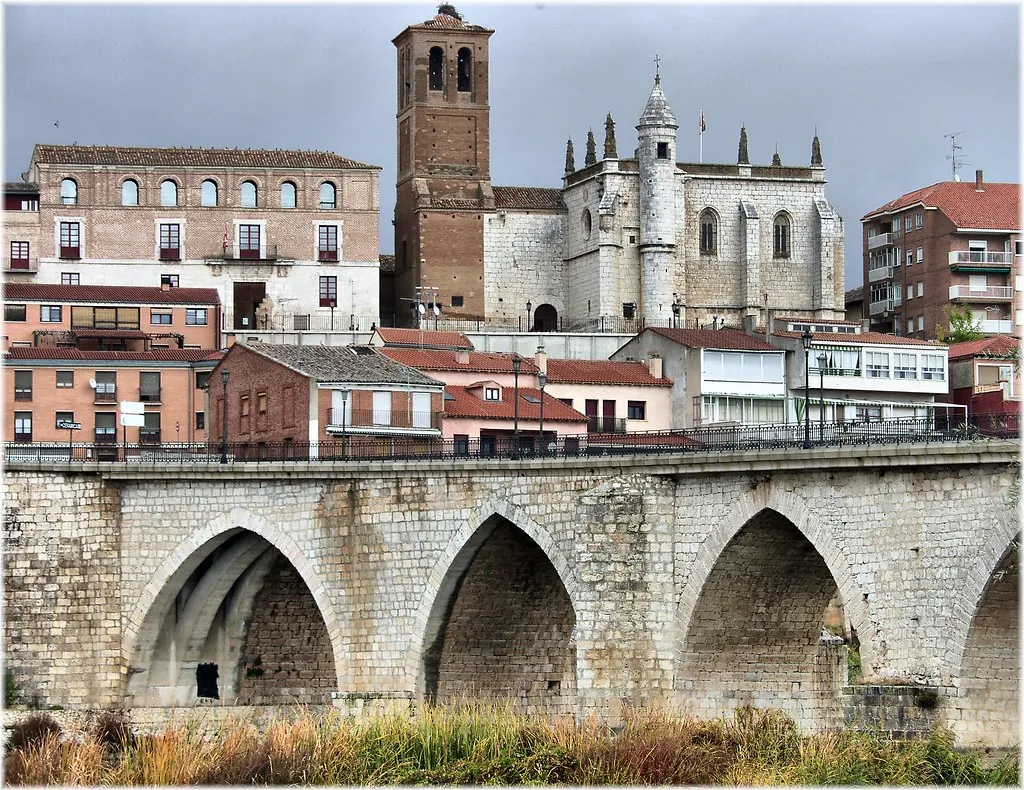
The most visible landmark is the parish church of San Juan Bautista. Its tower rises above the surrounding houses and works as a natural point of reference when moving through the streets. The building shows changes from different periods, which is common in villages where structures have been adapted and repaired over time rather than replaced.
Another key feature lies beneath the surface. Subterranean bodegas are scattered under houses or dug into small slopes on the outskirts. These spaces maintain a stable temperature throughout the year, essential for storing wine properly. They are not generally open for casual visits, though they may be accessible during local festivals or wine-related events.
Beyond these elements, the rest of the village reflects its agricultural roots. There are stone and adobe houses, large gates designed for carts or tractors, and interior courtyards tucked behind simple façades. Small squares and street corners act as informal meeting points for residents. There is nothing especially monumental, but it offers a clear picture of how villages in this part of the province are shaped by their surroundings and their work.
Vineyards on the edge of the village
Step outside the built-up area and the vineyards begin almost immediately. Moraleja del Vino falls within the Denominación de Origen Tierra del Vino de Zamora, a protected wine-producing area, and that identity is visible in the landscape.
There are no marked viewpoints or curated walking routes aimed at visitors. The paths are agricultural tracks used for working the land. Some are suitable for walking or cycling, though conditions vary. After rain, they can become muddy, and in summer certain stretches are stony and exposed to strong sun. Carrying water is sensible if planning a longer walk.
The grape harvest, known as the vendimia, usually takes place between late September and October. This is when the surrounding fields are at their busiest, with a noticeable increase in activity as the grapes are gathered and processed.
Festivities and the rhythm of the year
The main local celebrations take place around San Juan Bautista in June. These fiestas typically combine religious events with open-air dances and activities organised by the community itself.
In autumn, during the vendimia, wine-related activities sometimes appear. These are not always large-scale events and are often geared more towards local residents than visitors.
Semana Santa, or Holy Week, is also observed here. The processions follow the style seen across many villages in Zamora: restrained, solemn, and marked by strong participation from the local community.
A brief stop with a clear focus
Moraleja del Vino is not a destination for a full day of sightseeing. It works better as a short stop if already in Zamora and interested in the vineyard landscape of the region. A walk through the village followed by time among the vines gives a clear sense of the place.
An hour or an hour and a half is usually enough to see what there is to see. If the visit coincides with the vendimia, the village takes on a different energy, with work in full swing across the fields. That moment offers the most revealing glimpse of what defines Moraleja del Vino.