Full Article
about Torrecilla de la Abadesa
Municipality near the Duero; known for its church and the Cristo chapel
Hide article Read full article
Torrecilla de la Abadesa: el pueblo que no te espera
Torrecilla de la Abadesa es ese tipo de sitio al que llegas y piensas: "¿Y ahora qué?". No hay una oficina de turismo, ni un cartel que señale el "mirador más bonito". Aparcas en la única calle ancha, bajas del coche y lo primero que notas es el silencio. Un silencio con algún rumor de tractor a lo lejos. Aquí no vienes a ver una lista de cosas; vienes, o mejor dicho, te paras, porque probablemente ibas de paso.
Con poco más de doscientos vecinos, está en esa Tierra del Vino de Valladolid que suena a vino pero se ve más cereal. Es un pueblo funcional, no decorado. Y eso tiene su mérito.
La calle principal y la iglesia: el centro de todo (lo que hay)
El origen del nombre viene de un monasterio de monjas, la abadesa, eso te lo cuentan rápido si preguntas. Pero paseando, lo que ves son casas de adobe y tapial, ese barro apisonado que parece derretirse con el sol. Es la arquitectura del "usamos lo que hay", sin pretensiones.
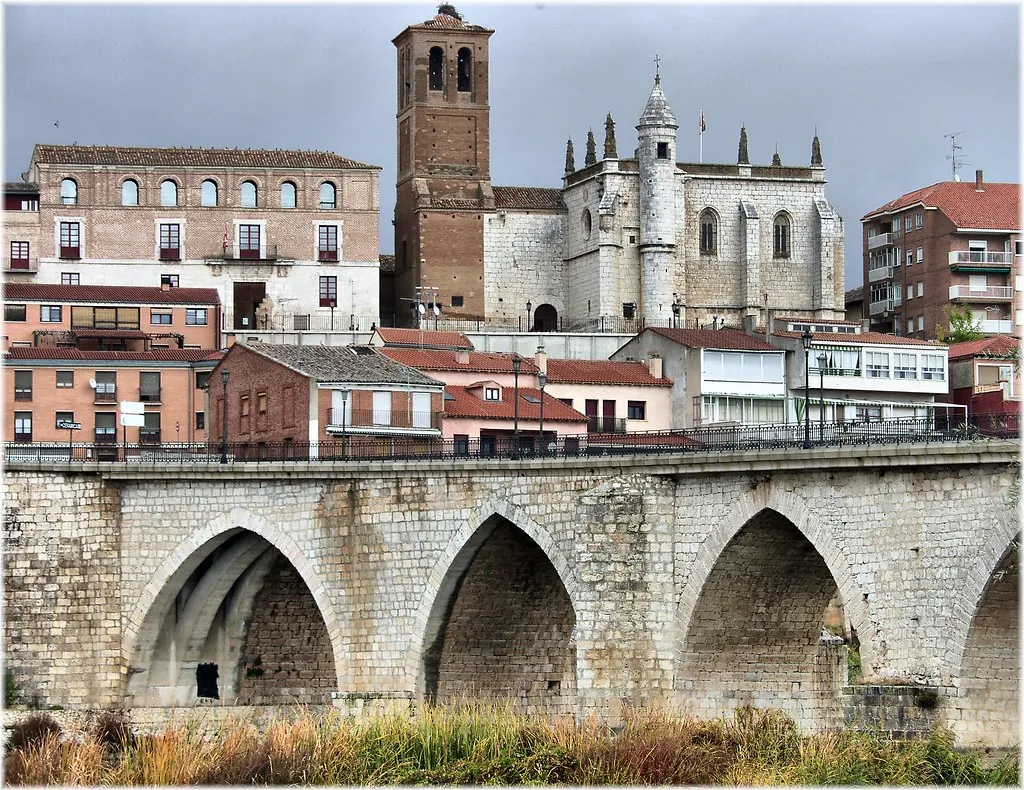
La iglesia está en lo alto, como en casi todos los pueblos. No es una catedral, es más bien el punto de referencia físico y social. Sabes que si hay algún coche aparcado fuera, es que hay misa o algún bautizo. Esa es toda la actividad cultural programada.
Las bodegas subterráneas: lo más interesante está bajo tierra
Esto sí merece caminar un poco. En las laderas a las afueras del núcleo hay decenas de bodegas subterráneas. No son visitables (son privadas, como los trasteros de la abuela), pero se notan por sus zarceras, esos tubos de ventilación que sobresalen como chimeneas diminutas.
Ver el campo lleno de estos respiraderos te hace entenderlo al momento: aquí el vino no era una atracción turística, era algo serio que se guardaba bajo tierra a temperatura constante. Es la huella física más clara de estar en la Tierra del Vino.
Patear entre viñas (con GPS)
Si te quedas solo en el pueblo, te aburres en media hora. La gracia está en salir andando por cualquiera de los caminos agrícolas. En diez minutos estás metido entre viñas por un lado y campos dorados de cereal por otro.
No esperes señalización. Son caminos de labor, polvorientos o embarrados según la época. Lleva el móvil con mapa o un GPS básico y ya está. El paisaje es ancho, plano, honestamente monótono para algunos. Pero al atardecer, cuando ese sol castellano pega horizontal, todo se vuelve oro viejo durante unos minutos. Merece parar el coche solo por eso.
Comer y beber: lo obvio bien hecho
Estamos en zona de lechazo asado y vino tinto robusto. No hay muchos sitios para elegir; normalmente hay uno donde comen los del pueblo y ya está. La cocina es la de siempre: ingredientes buenos, tiempo y horno de leña. Nada revolucionario.
Si vas en septiembre, durante la vendimia, el ambiente cambia. Se huele a uva pisada en el aire y hay más movimiento en los campos. Es el único momento del año con cierto pico natural de actividad.
Verano y fiestas: cuando revive (un poco)
Como en tantos pueblos castellanos, julio y agosto son otra cosa. Vuelven los veraneantes con hijos y nietos. Se oyen voces en la plaza por la noche. Las fiestas patronales son entonces: una procesión modesta, alguna comida comunal en la calle. No es un macrofestival; es simplemente el pueblo recuperando por unos días su volumen original antes de volver a vaciarse en septiembre.
¿Merece una visita?
Depende totalmente de cómo viajes.
- Si buscas pueblos "bonitos" con museos y tiendas de artesanía, sigue tu camino hacia otros más famosos.
- Si estás recorriendo la zona con calma (quizá entre bodegas) o quieres ver cómo es realmente un pueblo vivo pero mínimo en esta llanura vinatera, entonces sí. En una mañana lo ves todo: paseo por las calles tranquilas, subida a ver las zarceras entre las cuestas y un paseo corto entre viñas. Su valor está en eso: no te vende nada. Te muestra cómo se vive aquí sin filtros. Y a veces, eso es justo lo que necesitas ver