Vista aérea de Torrecilla de la Orden
Instituto Geográfico Nacional · CC-BY 4.0 scne.es
Castilla y León · Cradle of Kingdoms

Torrecilla de la Orden

The church bell strikes noon and the only other sound is a tractor ticking cool in the shade of a fig tree. At 782 m above sea-level, on a plateau ...

226 inhabitants · INE 2025
782m Altitude

Why Visit

Church of Santa María del Castillo Cycling routes

Best Time to Visit

summer

San Ginés (August) agosto

Things to See & Do
in Torrecilla de la Orden

Heritage

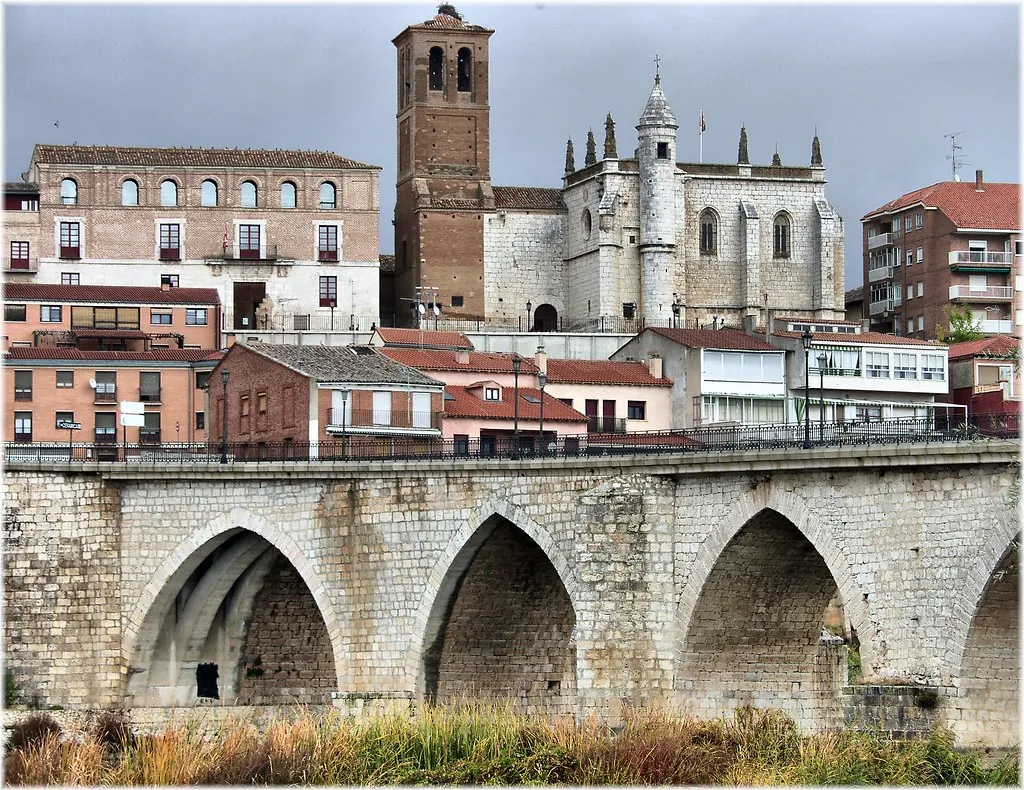
  • Church of Santa María del Castillo

Activities

  • Cycling routes
  • Rural tourism

Festivals
& & Traditions

Fecha agosto

San Ginés (agosto)

Las fiestas locales son el momento perfecto para vivir la autenticidad de Torrecilla de la Orden.

Full Article
about Torrecilla de la Orden

Border town with Salamanca; noted for its Mudéjar church and the tower that gives it its name.

Ocultar artículo Leer artículo completo

The church bell strikes noon and the only other sound is a tractor ticking cool in the shade of a fig tree. At 782 m above sea-level, on a plateau that feels closer to the sky than the sea, Torrecilla de la Orden doesn’t announce itself. The village simply appears after twenty minutes of wheat-blond horizons south-east of Valladolid, a single stone tower (the torrecilla that gives the place its name) poking above terracotta roofs like a punctuation mark in a very long sentence.

The Horizontal Village

Everything here is measured in breadth, not height. Vine rows run ruler-straight to the edge of the parish, interrupted only by the occasional stone hut where farmers once stored hand tools and now keep diesel cans. There is no dramatic gorge, no cliff-top hermitage, just an ocean of earth that changes colour with the calendar: luminous green after April rains, rust-red once the tempranillo vines turn in October, biscuit brown the rest of the year. Bring sunglasses; the glare off chalky soil rivals any beach.

A slow loop of the built-up bit—six streets and two alleys—takes forty minutes if you stop to read every ceramic street sign. Houses are low, thick-walled, often painted the colour of dried oregano. Wooden doors still have iron latches that screech like gulls when lifted. Many are second homes now, opened only during the August fiestas when population swells from 200 to 800 and the village fountain runs with wine for exactly seventy-two minutes (timed by the mayor, who stands by with a stop-watch and a mop).

Wine That Doesn’t Shout

The Denominación de Origen Tierra del Vino de Zamora begins here, though you will not find glossy tasting rooms or £35 tours. Instead, look for hand-painted signs reading “Venta de Vino” taped to garage doors. Knock and someone’s uncle appears with a plastic jug and a funnel. The going rate is €2.20 a litre; the grape is mostly tempranillo with a splash of garnacha for scent. Decant into an old water bottle and it passes for table wine in Valladolid restaurants that charge six times the price.

Serious cellars do exist, but they are dug sideways into hillsides rather than built upwards. One, Bodega La Piedra, opens by appointment only (telephone 983 12 34 78; Spanish helps). Inside, the temperature drops ten degrees and the air smells of blackberries and damp clay. The owner, Jesús, still foot-treads a tenth of the harvest “to keep calves awake,” he claims. A 2019 crianza sells for €9 out the trapdoor; no shipping, cash only.

Walking Where the Plough Goes

There are no way-marked footpaths, which is precisely the point. Farmers tolerate walkers as long as gates are closed and vines left untouched. A sensible circuit heads south from the church, follows the dirt track past Casa de la Cerca (abandoned since 1987, storks nesting in the chimney) and loops back via the Arroyo del Valle. Total distance: 6 km. Flat, yes, but at this altitude the sun burns harder than latitude suggests; 30 °C days in May are routine. Take two litres of water and a wide-brimmed hat; shade is as rare as a traffic light.

Cyclists can extend the route to Villanueva de Campeán (12 km east), crossing a landscape so empty the asphalt sometimes belongs to skylarks. Road bikes are fine; mountain bikes are overkill.

When to Show Up and When to Skip

April–mid-June and mid-September–October give you either green shoots or copper leaves plus daytime temperatures between 18 °C and 24 °C. Nights plummet to 8 °C even in spring—pack a fleece.

July and August fry; thermometers touch 38 °C by 15:00 and the only breeze is hot enough to crisp parsley. Locals postpone errands until after 20:00; sensible visitors do the same.

November–March is monochrome. Fields resemble stubbled cheeks, the wind carries ice from the Gredos mountains, and half the bars close. On the plus side, you will have the horizon to yourself and hotel rooms in nearby Toro drop to €35.

Rain is infrequent but decisive: a fifteen-minute shower turns clay tracks into calf-deep glue. If clouds gather, head to Museo del Vino in Valdefinjas (25 km) and postpone the ramble.

Eating Without Ceremony

The village itself offers one bar, Casa Agustín, open Thursday–Sunday, 09:00–15:00 and 19:00–22:00. A plate of chanfaina—rice stewed in lamb blood and cinnamon—costs €8 and guarantees you won’t need dinner. If Agustín’s shutters are down, drive ten minutes to San Román de Hornija where Asador Casa Curro does lechazo (milk-fed lamb) roasted in oak embers for €22 a portion. Vegetarians should lower expectations: even the green beans come with scraps of jamón.

Buy picnic supplies before you arrive. The last supermarket stands in Medina del Campo, 18 km west, and it shuts on Sunday afternoons with Castilian precision.

Getting Here, Staying Over

There is no railway. From the UK, fly to Madrid, pick up a hire car at Barajas T1, and head north-west on the A-6 and AP-6 for 190 km (tolls €18.50). Public transport is possible but masochistic: ALSA coach to Valladolid (2 hrs 15), city bus to the regional terminal, then one daily bus to Toro that stops at the junction 6 km short of the village; ring a taxi from there (€15).

Accommodation within Torrecilla itself is limited to two self-catering cottages—Casa de la Viña and El Pajar de Torrecilla—both booked through Spain-holiday.com from €70 a night, two-night minimum. Otherwise stay in Toro (25 km), where the three-star Hotel Juan II has doubles for €55 including garage parking and a bottle of local tempranillo left on the desk as a welcome gift.

The Honest Verdict

Torrecilla de la Orden will not change your life. It offers no Michelin stars, no souvenir shops, no Instagram moments unless you count a sunset that makes the soil look like burnt sugar. What it does provide is an unfiltered taste of Castilian farming life where the clock is the land itself and the soundtrack is wind rattling through poplars. Come for the silence, the €2 wine, and the realisation that Spain still contains places that function perfectly well without being famous. Leave before you start expecting something to “happen”; the village’s greatest luxury is that, most days, nothing does.

Key Facts

Region
Castilla y León
District
Tierra del Vino
INE Code
47167
Coast
No
Mountain
No
Season
summer

Livability & Services

Key data for living or remote work

2024
Connectivity5G available
TransportTrain nearby
HealthcareHospital 27 km away
Housing~5€/m² rent · Affordable
Sources: INE, CNMC, Ministry of Health, AEMET

Official Data

Institutional records and open data (when available).

  • IGLESIA DE SANTA MARÍA DEL CASTILLO
    bic Monumento ~0.1 km

Planning Your Visit?

Discover more villages in the Tierra del Vino.

View full region →

More villages in Tierra del Vino

Traveler Reviews