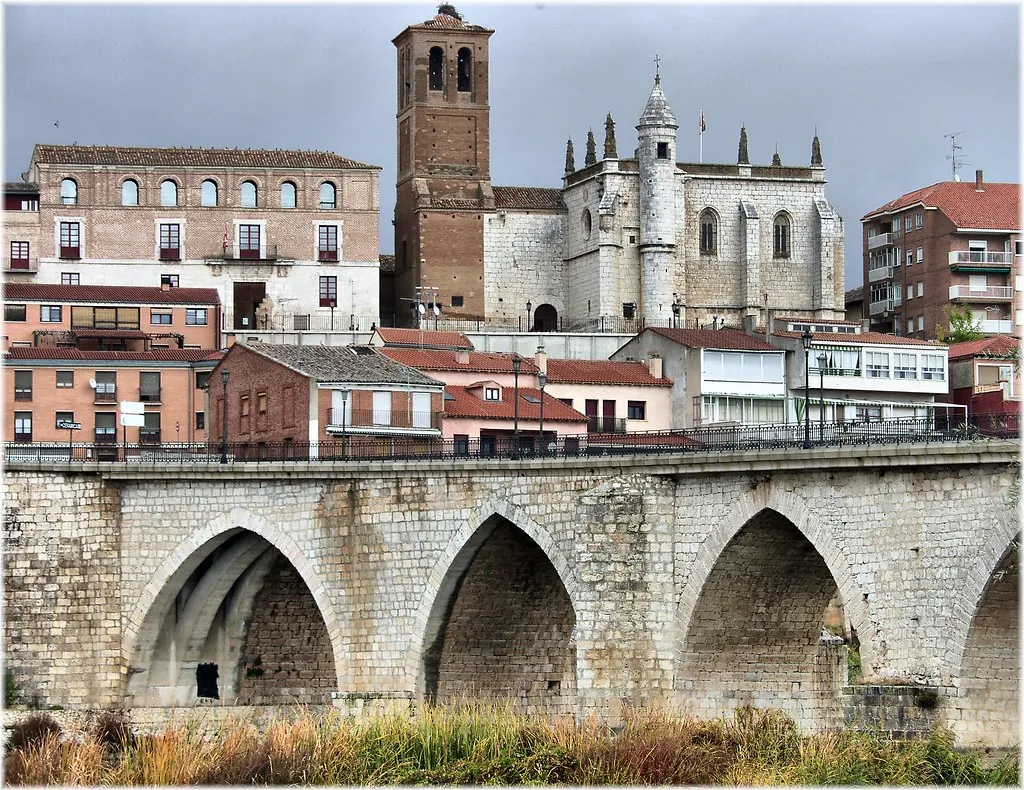
Vista aérea de Villafranca de Duero
Instituto Geográfico Nacional · CC-BY 4.0 scne.es
Castilla y León · Cradle of Kingdoms

Villafranca de Duero

The church bell strikes noon and the only other sound is a tractor reversing into a barn. Villafranca de Duero has that effect: it makes 250 inhabi...

247 inhabitants · INE 2025
653m Altitude

Why Visit

Church of Santa María Magdalena Wine tourism (D.O. Toro)

Best Time to Visit

summer

St. Mary Magdalene (July) julio

Things to See & Do
in Villafranca de Duero

Heritage

  • Church of Santa María Magdalena
  • Wineries

Activities

  • Wine tourism (D.O. Toro)
  • Hiking

Festivals
& & Traditions

Fecha julio

Santa María Magdalena (julio)

Las fiestas locales son el momento perfecto para vivir la autenticidad de Villafranca de Duero.

Full Article
about Villafranca de Duero

The only town in Valladolid within the Toro D.O.; known for its red wines and parish church.

Ocultar artículo Leer artículo completo

The church bell strikes noon and the only other sound is a tractor reversing into a barn. Villafranca de Duero has that effect: it makes 250 inhabitants feel like fifty, and a passing cyclist louder than the Sunday market in Leeds. Stand on the Calle Real and you can see both ends of the village without turning your head; turn anyway, because the low, ochre houses glow briefly under the Castilian sun before the wind scrapes the colour back to dust.

This is the Tierra del Vino, a high, dry slice of Valladolid province where vineyards outnumber people and the River Duero slips past two kilometres to the south. The name promises drink, yet Villafranca itself offers only a single bar, one communal washing fountain and a fridge-sized shop that opens when the owner feels like it. Come prepared: the nearest cash machine is 16 km away in Toro and the bus stopped running in 2011.

Adobe, Cereal and the Long View

Most visitors arrive by accident, detouring off the A-11 motorway for petrol or shade. What they find is a grid of sandy lanes bordered by adobe walls thick enough to swallow sound. Many houses still wear their original mud render, patched with cement the way a country gardener ties a broken stake. Granite cornerstones poke out like knuckles; above, storks nest on disused power poles. Nothing is pristine, everything is lived-in, and that—rather than any single monument—is the appeal.

The parish church of Nuestra Señora de la Asunción dominates the small plaza, but it is no Gothic extravaganza. Rebuilt in 1972 after fire, the brick bell-tower is plain, almost municipal, and the interior smells of incense and floor polish rather than centuries. Step inside all the same: the carved 17th-century crucifix salvaged from the earlier church is unexpectedly vivid, veins picked out like irrigation channels on a vineyard map.

Walk east and the settlement dissolves into threshing circles and low wire fences. Wheat, barley and sunflowers take turns colouring the plateau; in late May the green is so brief it feels like a mistake. By mid-July the land has already bleached to silver. Look south and the Duero itself is a brown ribbon hemmed by poplars; closer to hand, roadside broom hisses when the wind picks up. This is cereal-country sky—the sort that makes clouds look theatrical and every track seem longer than its measurement on the map.

Wine Without the Tasting Tokens

Villafranca may sit in the Toro denominación, but organised cellar tours end in the bigger towns. What you can do is knock on doors: several families still ferment in subterranean bodegas dug beneath their patios. Expect a chipped enamel sink, a stainless-steel tank from 1983 and a dog that has seen worse tourists. Bring Spanish; English is as rare as an unwatered lawn. If someone offers to open a 2014 cosecha, say yes—the wine will be chewy, almost black, and 15 % is considered light. A polite two-euro note per glass covers electricity; they will refuse once and accept twice.

Serious tastings are better done in Toro itself (20 min by car) where Bodegas Fariña hands out proper glasses and tasting sheets. Back in Villafranca, the experience is informal, sometimes awkward, always genuine. Phone ahead if you can—signal permitting. Vodafone users should climb the small rise behind the cemetery for one bar of 4G; EE customers may as well post letters.

Pedal, Picnic, Pause

The village makes a convenient overnight halt on the Vía Verde del Duero, the 60-km cycle path that shadows the old railway between Soria and Zamora. From the main track it is a flat six-kilometre spur through sunflower plots; herons sometimes patrol the drainage ditches and the only climb is the final bridge over the N-122. Lock bikes to the metal railings by the playground—nobody steals things here, but insurance companies never believe that.

Morning rides west deliver you to San Morales in forty minutes, where the bar opens at ten for coffee strong enough to reline brakes. Head east and you reach Quintanilla de Onésimo in an hour; its modern glass-walled bodega, Pago de Carraovejas, offers sit-down tastings with prior appointment and views over the vineyard that look oddly Tuscan, if you ignore the tractor-sized sprinkler heads.

Hikers can follow the signed PR-PO-14 loop south to the river. The path drops 120 m through chalky soil loud with grasshoppers; in July you will share it only with a farmer checking melons. The Duero’s banks are sandy, littered with plastic irrigation pipe and the odd discarded pesticide drum—this is working countryside, not a calendar shot. Yet early light throws gold across the water and kingfishers clack like castanets. Bring a picnic, carry out wrappers and don’t count on phone reception to call a taxi back uphill.

When to Come, When to Leave

April and late-September are kindest. In spring the plateau smells of fennel and young vines glow neon against red earth. By October the same leaves have turned the colour of burnt toffee and harvest tractors trundle until midnight. Temperatures sit comfortably between 14 °C and 24 °C; nights are cool enough to justify the region’s heavy stews.

August belongs to locals returning from Madrid. The annual fiestas (usually 12–15 Aug) fill the single street with amplified pasodobles and the scent of fritanga. It is the only week accommodation books up—reserve the Casa Rural El Lagar two months ahead or sleep in your hire car. Mid-winter is bleak: daytime highs of 6 °C, a wind that scythes across from the Gredos, and cafés that shut when the firewood runs out. Pretty only if you enjoy monochrome.

Eating, Sleeping, Filling Up

Villafranca’s solitary bar, Casa Curro, opens at seven for coffee, closes after lunch, reopens at eight for raciones. The menu is written in the proprietor’s head: sopa castellana (garlic broth, bread, poached egg), tortilla del día, and lechazo if you ordered yesterday. A glass of local red costs €1.20; tap water arrives in a plastic bottle kept in the fridge. Vegetarians get tortilla or leave hungry.

Three village houses offer rental rooms booked through the regional tourism board. Expect stone floors, radiant heaters, Wi-Fi that flickers when the microwave runs and a communal roof terrace overlooking corrugated-iron barns. Price is around €55 a night for two, breakfast ingredients included but not cooked. Towels are the size of tea towels—pack a proper one if you care.

For more choice, Toro has boutique hotels inside 16th-century palaces; ten minutes beyond that, the Parador de Zamora does proper afternoon tea for the homesick. Petrolheads note: the A-11 service station at kilometre 39 sells the last UK-style sandwiches until Benavente; after that it is jamon bocadillos all the way to Portugal.

The Honest Farewell

Villafranca de Duero will never top Spain’s must-see lists. It offers no souvenir shops, no flamenco tablaos, no Moorish walls to photograph at dusk. What it does give is a slice of rural Castilla unfiltered by tourism departments: a place where the mayor doubles as the dustman and the church loudspeaker announces deaths faster than Twitter. Stay a night, buy a bottle of wine that never saw a label, and you will leave either refreshed by the silence or desperate for the nearest city. Both reactions are perfectly reasonable.

Key Facts

Region
Castilla y León
District
Tierra del Vino
INE Code
47204
Coast
No
Mountain
No
Season
summer

Livability & Services

Key data for living or remote work

2024
Connectivity5G available
TransportTrain 11 km away
Housing~5€/m² rent · Affordable
Sources: INE, CNMC, Ministry of Health, AEMET

Planning Your Visit?

Discover more villages in the Tierra del Vino.

View full region →

More villages in Tierra del Vino

Traveler Reviews