Coronilla coronata Herbar.jpg
Castilla y León · Cradle of Kingdoms

Cerbón

The wind arrives before you do. It sweeps across the high plains of northern Soria, carrying the scent of thyme and distant sheep, announcing Cerbo...

27 inhabitants · INE 2025
1118m Altitude

Why Visit

Mountain Church of San Pedro Wild hiking

Best Time to Visit

summer

San Pedro (June) agosto

Things to See & Do
in Cerbón

Heritage

  • Church of San Pedro

Activities

  • Wild hiking

Festivals
& & Traditions

Fecha agosto

San Pedro (junio)

Las fiestas locales son el momento perfecto para vivir la autenticidad de Cerbón.

Full Article
about Cerbón

Mountain village with high-country architecture and gorge landscapes

Ocultar artículo Leer artículo completo

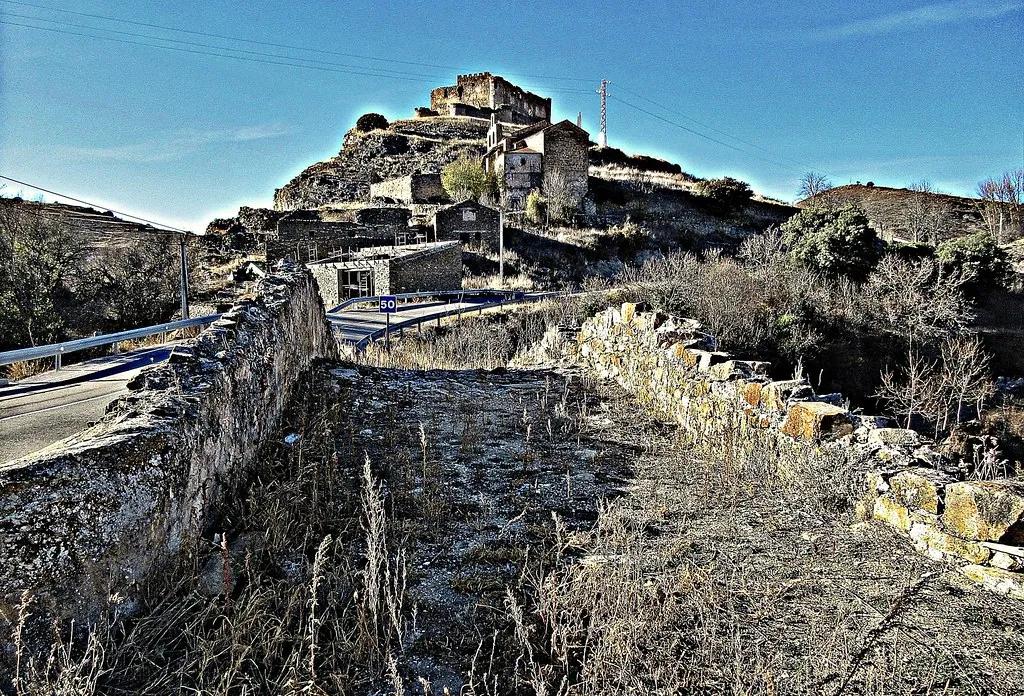
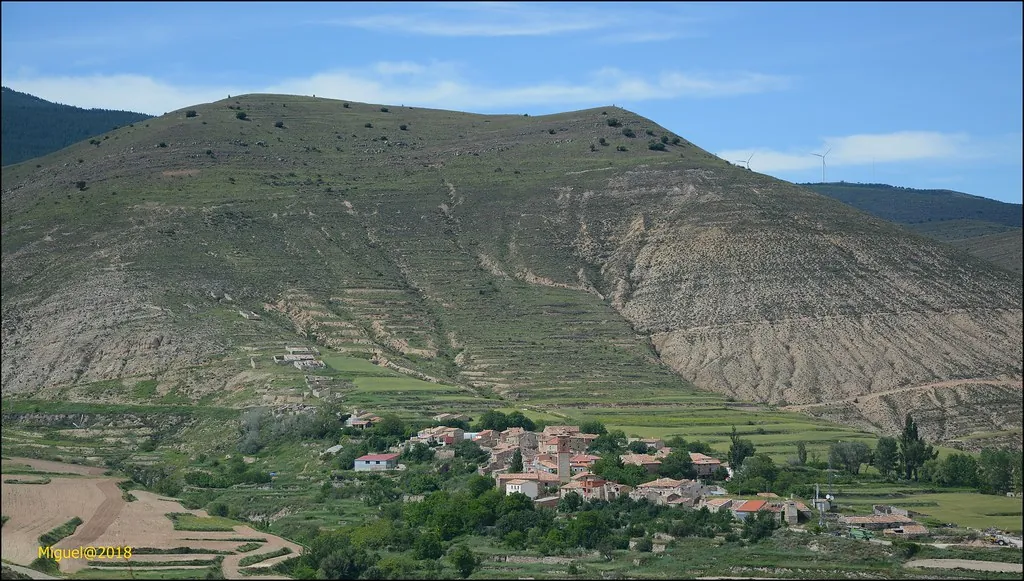
The wind arrives before you do. It sweeps across the high plains of northern Soria, carrying the scent of thyme and distant sheep, announcing Cerbon's presence long before the stone houses materialise through the heat haze. At 1,118 metres above sea level, this diminutive settlement commands views across the Tierras Altas—Spain's answer to the Yorkshire Dales, only starker, wilder, and emptier.

Twenty-seven souls call Cerbon home, though that number swells when summer migrants flee Madrid's furnace. The village clings to a ridge like barnacles on a ship's hull, its stone structures huddled against a landscape that makes no concessions to human comfort. This is Castilla y León at its most uncompromising: where winters bite with continental ferocity, and summer sun scorches earth already parched by altitude and exposure.

The Architecture of Survival

Every building tells the same story here. Thick stone walls, windows barely wider than a man's shoulders, chimneys rising like sentinels against the sky. These aren't aesthetic choices but survival mechanisms, evolved over centuries to withstand temperature swings that would make a British winter seem positively tropical. The houses cluster together, sharing walls for warmth, their terracotta roofs weighted against the cierzo—that notorious north wind that can drive temperatures down twenty degrees in an afternoon.

Wander the single main street and you'll spot details the guidebooks miss: a wooden door swollen with decades of rain and sun, its ironwork hand-forged by someone long dead; a bread oven built into a wall, blackened mouth still smelling faintly of ash; stone troughs where generations of women scrubbed clothes until mains water arrived in the 1980s. The church stands modestly at the village centre—not some baroque confection but a solid stone rectangle with a simple bell tower, its interior cool even during August's inferno.

The corrals tell their own tale. Attached to most houses, these enclosures once housed the animals that sustained life: pigs for winter meat, chickens for eggs, perhaps a donkey for transport. Many now stand empty, their stones gradually returning to earth, though you'll still catch the unmistakable farmyard whiff of manure and straw where someone's maintained the old ways.

Walking the Empty Spaces

Cerbon functions best as a base rather than a destination. The village itself takes twenty minutes to explore thoroughly, but the surrounding landscape offers proper walking country. Sheep tracks radiate across the hillsides, following routes older than any map. Head north and you'll drop into shallow valleys where seasonal streams carve gullies through the limestone. Walk south and the land opens into rolling grassland dotted with holm oaks, their gnarled trunks testimony to centuries of grazing pressure.

The GR-86 long-distance path passes within three kilometres, connecting Cerbon to a network of routes across Soria province. Local tracks link to neighbouring villages—try the walk to Velilla de la Sierra, eight kilometres east through country where you'll see more griffon vultures than people. Download maps beforehand: signage ranges from minimal to non-existent, and mobile signal disappears in every valley.

Spring brings the best walking weather. April and May see the plains burst into brief, spectacular flower meadows—though bring layers. At this altitude, morning frost can give way to 25-degree sunshine by midday. Autumn offers similar conditions, plus the added drama of migrating birds following the ridge lines south. Summer walking means early starts and plenty of water; temperatures regularly hit 35 degrees despite the altitude, and shade exists only where trees have survived centuries of grazing.

The Gastronomy of Absence

Here's the thing about Cerbon: there's nowhere to eat. Not a single bar, restaurant, or shop. The village's last commercial enterprise closed in 2009, victim to demographics that see the average age pushing seventy. This isn't a criticism—just reality in a Spain that urbanised faster than any European nation.

Come prepared, or plan to drive. The nearest proper meals await in Santa María de las Hoyas, twelve kilometres down a road that demands respect. Try Asador El Casarón for lechazo—milk-fed lamb roasted in wood-fired ovens until the skin crackles like pork crackling. Or head to Covaleda, twenty-five minutes west, where Casa Santiago serves migas—fried breadcrumbs with chorizo and grapes—that'll fuel a week's walking.

Self-catering works better. Bring supplies from Soria city, forty-five minutes south, and embrace the Spanish rhythm of large lunches and light evening meals. The village water comes from mountain springs and tastes better than anything bottled. Local shepherds still sell cheese directly—ask around, someone will know someone who makes queso de oveja from summer milk. It's sharp, slightly granular, and nothing like the supermarket version.

When the Village Returns to Life

August transforms Cerbon. The diaspora returns—grandchildren who've never lived here, elderly residents fetched back from city flats, Spanish-German families seeking roots. The church bell rings more frequently. Someone sets up speakers in the square for evening dances. An impromptu bar appears in someone's garage, selling cold beer and stories in equal measure.

The fiesta patronale happens sometime in mid-August, though dates shift according to when the priest can visit. Expect mass followed by communal paella, children racing about streets they've only known from holiday visits, old men playing cards beneath the lime trees. It's not staged for tourists—there aren't any—but genuine nonetheless.

Winter brings a different energy. The handful of permanent residents hunker down, emerging only for essentials. Snow isn't guaranteed but when it comes, the village becomes properly isolated. The road from Santa María climbs through exposed country where drifts persist for weeks. Electricity fails during storms. Mobile signal becomes theoretical. This is village life stripped to essentials: wood smoke, animal feed, keeping warm.

Practicalities for the Curious

Getting here requires commitment. No public transport serves Cerbon—none. The nearest bus stop sits twelve kilometres away in Santa María de las Hoyas, served twice daily from Soria. Car hire becomes essential, preferably something with decent ground clearance for the final approach road.

Accommodation means renting. Several houses offer rural tourism lets—try booking through the Soria tourist board website. Expect stone floors, wood-burning stoves, and Wi-Fi that works when the wind blows from the right direction. Prices run €60-80 per night for a two-bedroom house, dropping substantially for longer stays.

Come with realistic expectations. Cerbon won't entertain you, feed you, or organise your time. The landscape might feel bleak if you're expecting Cotswold prettiness. The silence can feel oppressive rather than peaceful. But if you're content to make your own amusement, to walk without meeting another soul, to watch weather systems roll across empty country—then this high village offers something increasingly rare: Spain without the Spaniards, tourism without the industry, a place where the modern world feels properly distant.

Key Facts

Region
Castilla y León
District
Tierras Altas
INE Code
42060
Coast
No
Mountain
Yes
Season
summer

Livability & Services

Key data for living or remote work

2024
Housing~5€/m² rent · Affordable
January Climate3.4°C avg
Sources: INE, CNMC, Ministry of Health, AEMET

Official Data

Institutional records and open data (when available).

  • IGLESIA DE SAN PEDRO
    bic Monumento ~0.5 km

Planning Your Visit?

Discover more villages in the Tierras Altas.

View full region →

More villages in Tierras Altas

Traveler Reviews