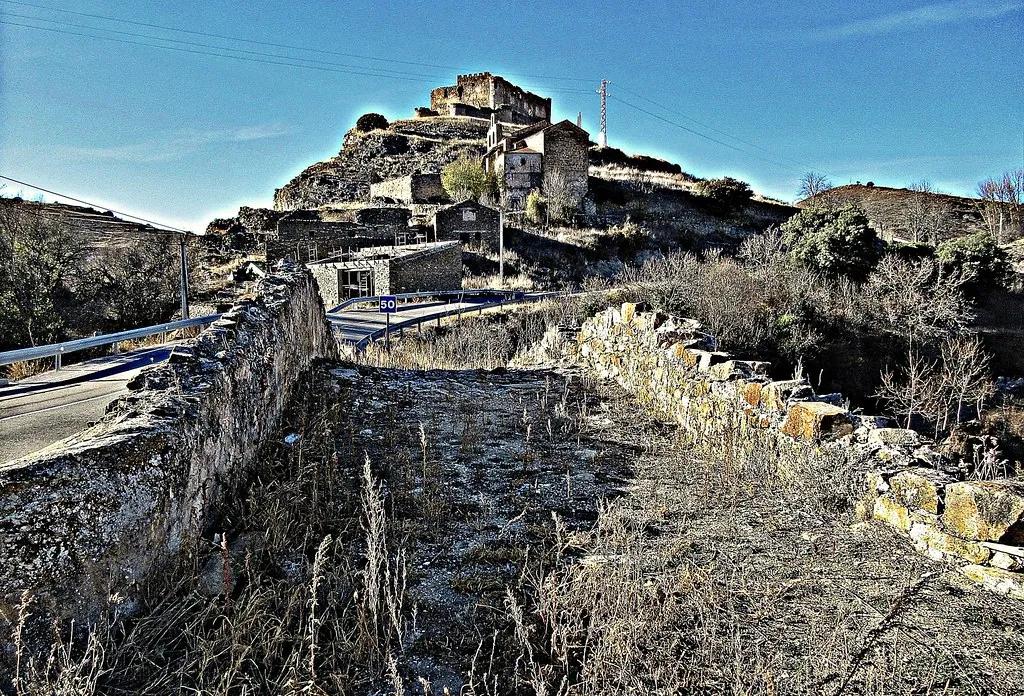
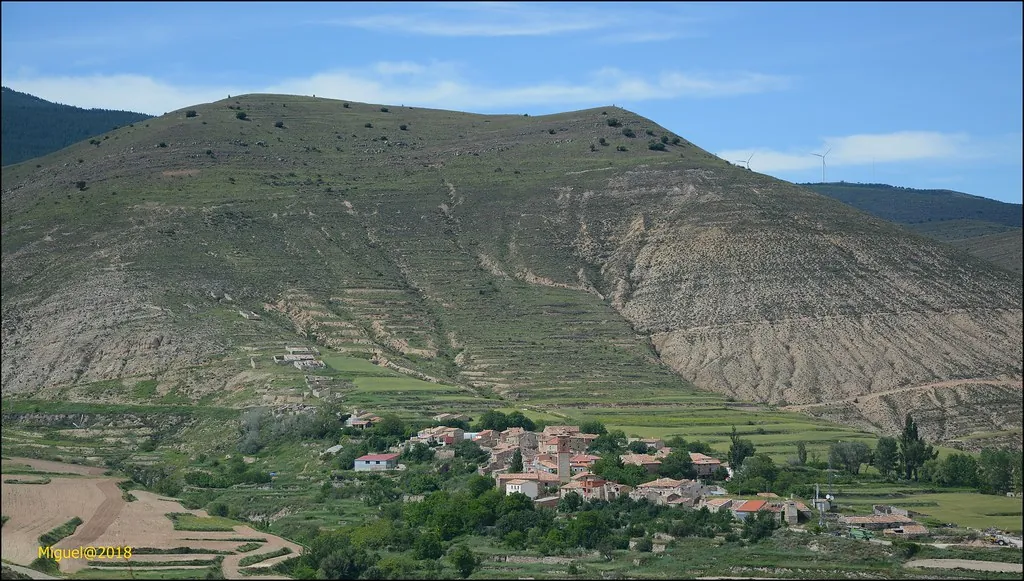
Vista aérea de Fuentes de Magaña
Instituto Geográfico Nacional · CC-BY 4.0 scne.es
Castilla y León · Cradle of Kingdoms

Fuentes de Magaña

The church bell strikes noon, yet only two cars sit in the main square. At this altitude—1,140 metres above the Riojan plains—sound carries differe...

47 inhabitants · INE 2025
1142m Altitude

Why Visit

Mountain Apatosaurus replica Dinosaur Track Route

Best Time to Visit

summer

The Holy Christ (September) agosto

Things to See & Do
in Fuentes de Magaña

Heritage

  • Apatosaurus replica
  • Church of the Immaculate

Activities

  • Dinosaur Track Route
  • Family tourism

Festivals
& & Traditions

Fecha agosto

El Santo Cristo (septiembre)

Las fiestas locales son el momento perfecto para vivir la autenticidad de Fuentes de Magaña.

Full Article
about Fuentes de Magaña

Known for its giant dinosaur replica and ichnite sites

Ocultar artículo Leer artículo completo

The church bell strikes noon, yet only two cars sit in the main square. At this altitude—1,140 metres above the Riojan plains—sound carries differently: the clapper echoes off granite walls, then drifts across empty wheat terraces until it meets the Sierra de Alcarama. Somewhere below the ridge, a spring that gives the village its name keeps flowing, even when August burns the surrounding steppe the colour of burnt toast.

Fuentes de Magaña occupies the northeastern lip of Soria province, a forty-minute climb from the N-122 on a road that twists through holm-oak and juniper. Fifty permanent residents remain, fewer than the number of breeding pairs of griffon vultures that ride the thermals overhead. Their stone houses, mortared with mud and straw, stand shoulder-to-shoulder as if huddling against winter wind that can knife through even in May. Adobe walls a metre thick mean interiors stay cool at midday and retain heat when October nights drop below five degrees—pack accordingly.

The Architecture of Survival

Round a corner and you meet a low doorway carved directly into bedrock: one of the village’s medieval wine cellars, still used to store the local tempranillo. No gift-shop tastings here; the owner will appear only if you ask at the house opposite, and then reluctantly. Thick walls, tiny windows and shared animal corrals recall a time when people, livestock and grain had to survive the same seven-month frost season. The fifteenth-century church tower, visible from any approach track, was built high enough to double as a watchtower against wolves and bandits alike. Step inside—if the key-keeper is gardening nearby—and you’ll find a retablo gilded with the proceeds of one good harvest in 1789; the rest of the interior is whitewash and echo.

Outside, the village follows the slope rather than any grid. Calle Real tilts uphill past a trough fed by a captured spring; water spills constantly, keeping the moss bright green even when the surrounding cereal fields have turned brittle. Follow the lane for two minutes and tarmac gives way to a sandy bridleway used by shepherds moving flocks between summer and winter pastures. This is the threshold beyond which most visitors simply forget to check the time.

Walking on Roofs

Every path out of Fuentes de Magaña climbs. A thirty-minute ramble south-east reaches the Fuente de la Teja, where water gushes into a stone basin big enough for livestock and humans to share. Dragonflies skim the surface; the temperature drops five degrees under the poplars. Carry on another hour and the track rims the Escusa ravine, a limestone scar that funnels cold air upwards—ideal refuge for wild boar and, in October, trumpet-shaped chanterelles.

Maps suggest longer loops: a half-day circuit links three disused threshing floors on neighbouring ridges, each built to catch the wind that dries grain before mechanised mills arrived. None of the routes are way-marked in English, yet sheep tracks make navigation simple: keep the village antenna in sight behind you and the Sierra de Alcarama ahead. Mobile reception is patchy, so screenshot directions before leaving the tarmac.

Winter transforms the same paths. Snow can fall from late October to April; drifts block the access road two or three times each season, and the council only clears after the farmers phone in. Visit between December and March only with chains or a 4×4, and carry a thermos—daytime highs hover just above freezing, nights sink to minus eight. The compensation is silence so complete you hear your own pulse echoing in your ears.

What You Won’t Find (and What You Will)

There is no cash machine, no supermarket, no Saturday market. The last bakery closed in 2003; fresh bread arrives in a white van on Tuesdays and Fridays at about eleven, unless the driver stops for coffee in Ágreda and runs late. Stock up in Soria city before the 90-minute drive, or phone the albergue (see below) and ask them to reserve a loaf.

Neither will you find a restaurant. The single bar opens at seven for coffee and churros on feast days only—otherwise knock on the green-shuttered house next to the church and Doña Rosario may fry eggs and chorizo for ten euros, served at her kitchen table. Ingredients come from her garden: tomatoes sharp enough to make your tongue tingle, lentils grown on the plateau above the village, lamb reared within sight of the church tower. Vegetarians should warn her in advance; pork fat seasons even the beans.

What you will find is dark sky. Streetlights switch off at midnight, leaving the Milky Way draped like spilled sugar across the horizon. August brings the Perseids; locals drag mattresses onto rooftops and count meteors until dawn. Bring a sleeping bag—nights can drop to twelve degrees even in midsummer.

A Bed at the Top

Accommodation consists of one hostel: Albergue Tierras Altas, housed in the former school. Eight dormitory beds, two doubles, shared kitchen and a washing machine that actually heats water. Rates hover around €18 for a bunk, €45 for a double, sheets included. There is no reception desk; ring the caretaker, Javier, when you reach the square and he’ll cycle over with keys. Hot water comes from solar panels—shower before sunset if the day has been cloudy.

Book even in low season. Spanish hiking clubs descend at weekends to bag the nearby 1,500-metre summits, and the albergue is suddenly full of boots dripping onto the stone floor. Mid-week stays guarantee quiet; you may have the patio—and the views—to yourself.

August Fever, April Calm

Annual festivities begin on 15 August, when emigrants flood back from Zaragoza, Barcelona, even Edinburgh. The population swells to 400, portable bars appear overnight, and a sound system thumps until the Guardia Civil remind organisers that livestock still need sleep at two in the morning. Visitors are welcome—expect free wine, communal paella for sixty, and dancing that starts stiffly, ends at dawn. Reserve accommodation months ahead; even barn floors become coveted mattress space.

Spring offers a gentler reawakening. Late April carpets the plateau with purple crocus and white daisies; farmers burn last year’s stubble at dusk, sending columns of perfumed smoke skywards. Temperatures range from 8 °C at dawn to 20 °C by afternoon—perfect walking weather, and you might meet only a shepherd and his dogs all day.

Come in late October if you want mushrooms. After the first rains, villagers fan out at first light with wicker baskets; they’ll point out the difference between edible níscalo and the poisonous variety, but never reveal their exact spots. Ask politely and someone might sell you a kilo for five euros—still flecked with pine needles, earth-scented and incomparable in a risotto back at the albergue.

Leaving the Roof

Descend early if you’re heading east towards Logroño; morning fog pools in the Ebro valley, doubling driving time. West-bound traffic to Soria faces fewer hazards, but watch for roe deer at dusk—they appear without warning on the bends above Ágreda. Fill the petrol tank before leaving the main road; the mountain section uses more fuel than any map admits, and the only garage within 40 kilometres shuts for siesta between two and five.

Fuentes de Magaña will not change your life. It offers no souvenir shops, no curated experiences, no Instagram moments engineered for maximum likes. Instead it gives you altitude, cold water that tastes of iron, and the realisation that half of Spain once lived like this—negotiating each day with weather, distance and the absolute certainty that if you don’t fetch water now, there will be none for coffee tomorrow morning. That memory lingers longer than any fridge magnet.

Key Facts

Region
Castilla y León
District
Tierras Altas
INE Code
42092
Coast
No
Mountain
Yes
Season
summer

Livability & Services

Key data for living or remote work

2024
HealthcareHospital 29 km away
Housing~5€/m² rent · Affordable
January Climate3.4°C avg
Sources: INE, CNMC, Ministry of Health, AEMET

Planning Your Visit?

Discover more villages in the Tierras Altas.

View full region →

More villages in Tierras Altas

Traveler Reviews