Full Article
about Vizmanos
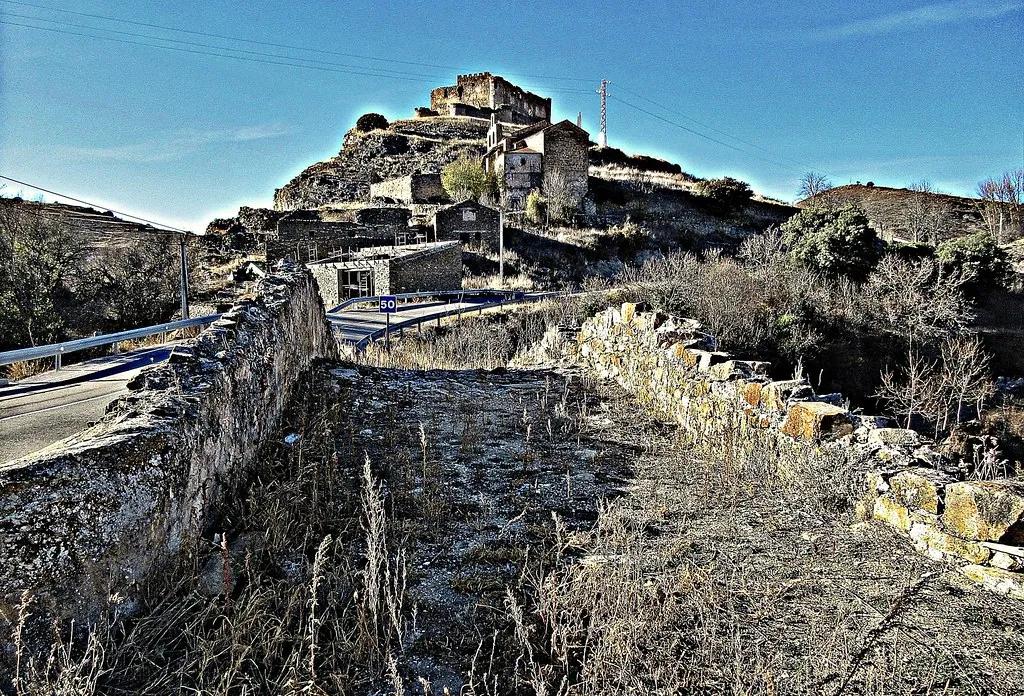
High-mountain village at the Oncala pass
Hide article Read full article
Vizmanos: cuando el móvil deja de vibrar
Hay un momento en la carretera hacia Vizmanos en el que el GPS se queda pensando y la cobertura del móvil desaparece. No es un corte brusco, es más bien como si la señal se cansara de subir la cuesta. Cuando llegas, lo primero que notas no es un silencio absoluto, sino el sonido del viento en los pinos. Y te das cuenta de que aquí viven menos personas que las que caben en un autobús urbano.
Vizmanos está en las Tierras Altas de Soria, a unos 1.200 metros. No es un pueblo para hacer una lista de monumentos y tacharlos. Es más bien ese tipo de sitio donde aparcar el coche y empezar a andar sin rumbo fijo, hasta que el propio pueblo te explica cómo se vive aquí.
La iglesia, las casas y los huertos
En el centro está la iglesia de San Martín. Es de esas construcciones que parecen parte del terreno, con una piedra que ha visto muchos inviernos serranos. No es espectacular, pero cumple su función. En agosto, durante las fiestas, es el punto donde se reúne prácticamente todo el pueblo.
Las casas siguen una lógica práctica: piedra, tejados de teja árabe y casi siempre un corral o un pequeño huerto detrás. En verano, esos huertos están llenos de tomates y pimientos. Pasear por sus calles es entender, sin necesidad de carteles, cómo era la vida aquí antes de que la mayoría se fuera a la ciudad. No hay fachadas restauradas para impresionar al visitante; hay gallinas sueltas y leña apilada junto a la puerta.
Un paisaje que lo envuelve todo
Lo que define a Vizmanos no está dentro del pueblo, sino alrededor. Estás rodeado por bosques densos de pino y roble. Esa sensación de estar en medio de nada no es una pose; es geografía pura.
Desde algunos bordes del pueblo, la tierra cae hacia barrancos y se ven cumbres como La Cebosa al fondo. No son miradores con barandillas, son simplemente los límites del pueblo. Por la mañana temprano es fácil cruzarse con corzos, y si escuchas ruido entre la maleza, lo más probable es que sean jabalíes.
Andar por aquí (sin prisa ni señalética)
Varias pistas forestales salen directamente del pueblo hacia el monte. Algunas llevan a cabañas o bordas aisladas; otras se pierden kilómetros entre pinos. No hay flechas brillantes para senderistas. Estas pistas las usan más los vecinos con sus todoterrenos que los excursionistas con bastones.
La altitud se nota: incluso en pleno agosto no suele apretar el calor como en el valle. Pero el tiempo cambia rápido. Puede salir un sol brillante y, en una hora, levantarse un viento fresco que te haga buscar el jersey. Venir preparado no es un consejo genérico; es sentido común.
El otoño es otra cosa
Si vuelves en octubre o noviembre, el paisaje huele distinto y la gente lleva cestas. La temporada de setas es algo serio aquí. Ver a alguien del pueblo revisando su cesta tiene poco que ver con ver a un visitante dudando sobre cada ejemplar. Esa diferencia te dice mucho sobre el conocimiento del territorio.
Los mejores sitios no están en internet; están en la cabeza de quienes han recorrido estos montes desde niños. Si coincides con algún vecino y hay confianza, puede que comentes cómo va la temporada. Esa charla casual suele dar más información útil que cualquier guía.
Agosto: cuando vuelven los apellidos
Las fiestas de San Martín, a mediados de agosto, son el único momento en el que Vizmanos parece tener más vida. No esperes conciertos multitudinarios ni mercadillos artesanales. Es cuando regresan los hijos y nietos de quienes se fueron.
Durante unos días aparecen coches con matrículas de ciudades grandes, se oyen risas en las calles y las persianas de algunas casas cerradas todo el año se suben. Es ese fenómeno común a media España rural: el pueblo revive con los que volvieron solo por vacaciones.
¿Merece la pena parar?
Vizmanos no te va a quitar el hipo con su belleza arquitectónica. Para eso ya hay otros pueblos serranos más preparados para recibir turismo.
Su interés está justo en lo contrario: en su falta total de preparación para recibirte. Es un lugar funcional para quienes viven allí todo el año. Parar aquí tiene sentido si lo que buscas es sentir esa desconexión real —la geográfica—, pasear unos kilómetros por un bosque sin cruzarte a nadie y ver cómo funciona un pueblo donde las noticias llegan con retraso. No te llevará más de una mañana. Y probablemente sea suficiente