Full Article
about Villamoratiel de las Matas
Set in moorland and scrub; once a crossroads for livestock trails.
Hide article Read full article
Villamoratiel de las Matas, en la llanura leonesa
Villamoratiel de las Matas se encuentra en la zona oriental de la provincia de León, dentro de la comarca histórica de Tierras de León. Su paisaje es el de la meseta cerealista: horizontes largos, parcelas abiertas y núcleos de población pequeños, separados por kilómetros de campo. Con poco más de un centenar de habitantes y una altitud en torno a los 840 metros, el pueblo forma parte de esa red de localidades que durante siglos ha sustentado la agricultura de secano en esta parte de Castilla y León.
El topónimo apunta a la época medieval. La partícula “villa” suele señalar un asentamiento organizado durante la repoblación, mientras que “matas” alude a las zonas de matorral o monte bajo que probablemente cubrían parte del entorno. Hoy el paisaje se percibe más despejado. El cereal domina, extendiéndose sobre un terreno suavemente ondulado, con alguna mancha de arbolado en lindes y cerca de los arroyos.
Las calles del pueblo
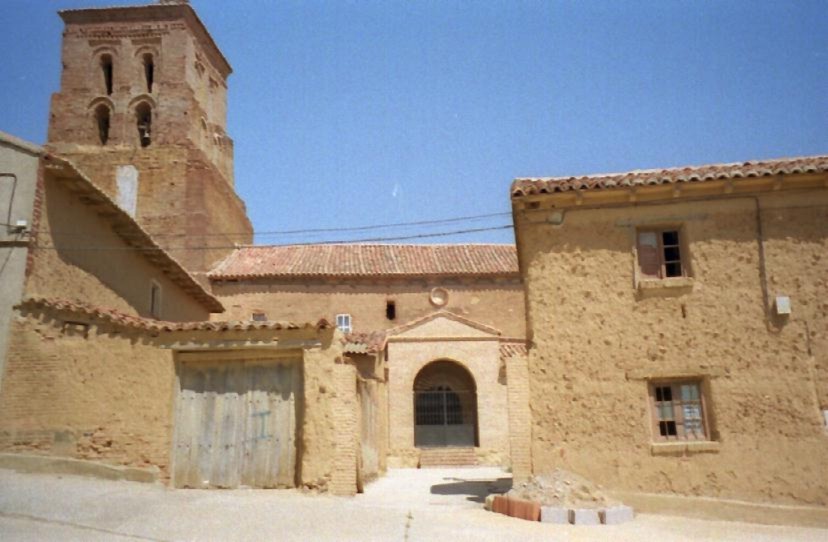
Villamoratiel es pequeño y bastante compacto. Sus calles son cortas y silenciosas, y muchas de las casas combinan los materiales habituales en esta zona de León: adobe, ladrillo y piedra en basamentos o esquinas. Algunas fachadas conservan escudos o piedras labradas reutilizadas a lo largo del tiempo. Su origen no siempre es claro, pero hablan de una historia de reformas y añadidos.
La iglesia parroquial, dedicada a San Pedro, es el edificio más reconocible en el centro del pueblo. Como muchas iglesias rurales de la meseta, muestra modificaciones a lo largo de los años, ampliada o reparada según los recursos de cada época. Su espadaña sencilla sobresale por encima de los tejados y sirve de referencia visual cuando se llega por las carreteras locales.
El paisaje de las Tierras de León
Fuera del pueblo, la tierra se abre en grandes extensiones de cultivo. En primavera, los colores cambian con rapidez según crecen las cosechas. En verano, dominan los tonos dorados del cereal maduro. El invierno ofrece una vista más austera, con la tierra recién labrada y cielos amplios y despejados.
Los páramos cercanos, esas llanuras altas típicas de la región, y los bordes de los cultivos mantienen aún cierta fauna. Con paciencia, se pueden observar aves adaptadas al campo abierto, sobre todo a primera hora de la mañana o al atardecer. Estos ritmos tranquilos forman parte de la vida diaria, marcada por las estaciones y el ciclo agrícola.
Caminos a pueblos vecinos
El acceso al municipio se realiza por carreteras locales y una red de pistas agrícolas que se dispersan por los campos circundantes. Muchas de estas vías conectan Villamoratiel de las Matas con pueblos vecinos y pueden recorrerse a pie o en bicicleta. Siguen siendo pistas de trabajo, por lo que conviene tener presente que puede haber maquinaria agrícola en uso durante los periodos de mayor actividad.
El terreno es mayoritariamente llano, con pendientes muy suaves, por lo que los recorridos no presentan dificultad técnica. La exposición al sol es constante, sin embargo, ya que apenas hay sombra fuera del casco urbano. Moverse por este paisaje se define más por la apertura del espacio que por los obstáculos, donde la distancia y la luz condicionan la experiencia más que el desnivel o el terreno.
Fiestas y vida cotidiana
Las celebraciones locales siguen el calendario tradicional de las comunidades agrícolas. Los festejos ligados a San Pedro, patrón de la parroquia, concentran gran parte de la actividad anual. Los actos religiosos se acompañan de encuentros que reúnen a quienes ya no viven en el pueblo pero mantienen vínculos familiares.
Como ocurre en muchos pueblos de la comarca, la población aumenta durante el verano y en algunos fines de semana. Vuelven antiguos residentes y familias que conservan una conexión con el lugar, incrementando brevemente el ritmo y la actividad diaria.
Cómo visitarlo
Villamoratiel de las Matas se recorre en poco tiempo. El interés está menos en monumentos concretos y más en comprender el paisaje y la forma de asentamiento. Un paseo por sus calles, seguido de un rato por los caminos que salen hacia los campos, da una idea clara de cómo se desarrolla la vida en esta parte de las Tierras de León.
Conviene planificar con antelación si se van a pasar varias horas, ya que los servicios son limitados en pueblos de este tamaño y la actividad no es constante a lo largo del día. El ritmo es pausado, marcado por la agricultura y las estaciones, no por una infraestructura para visitantes.