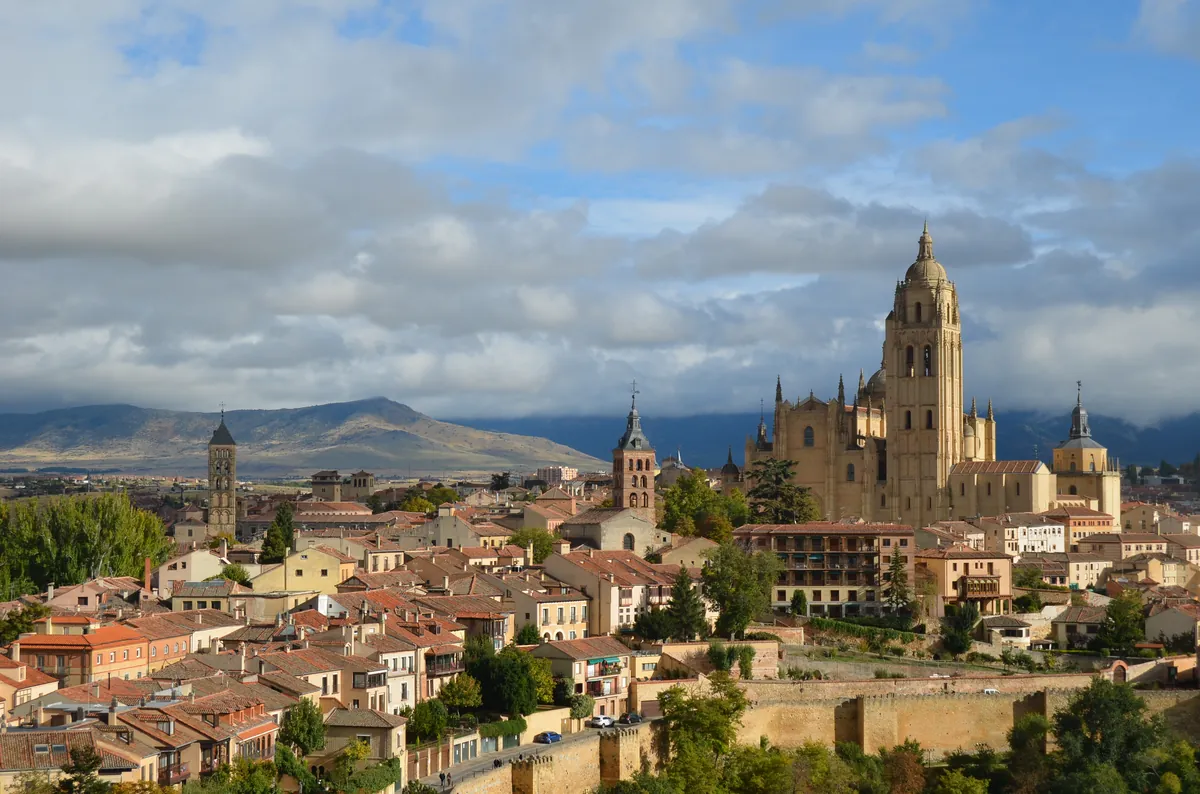
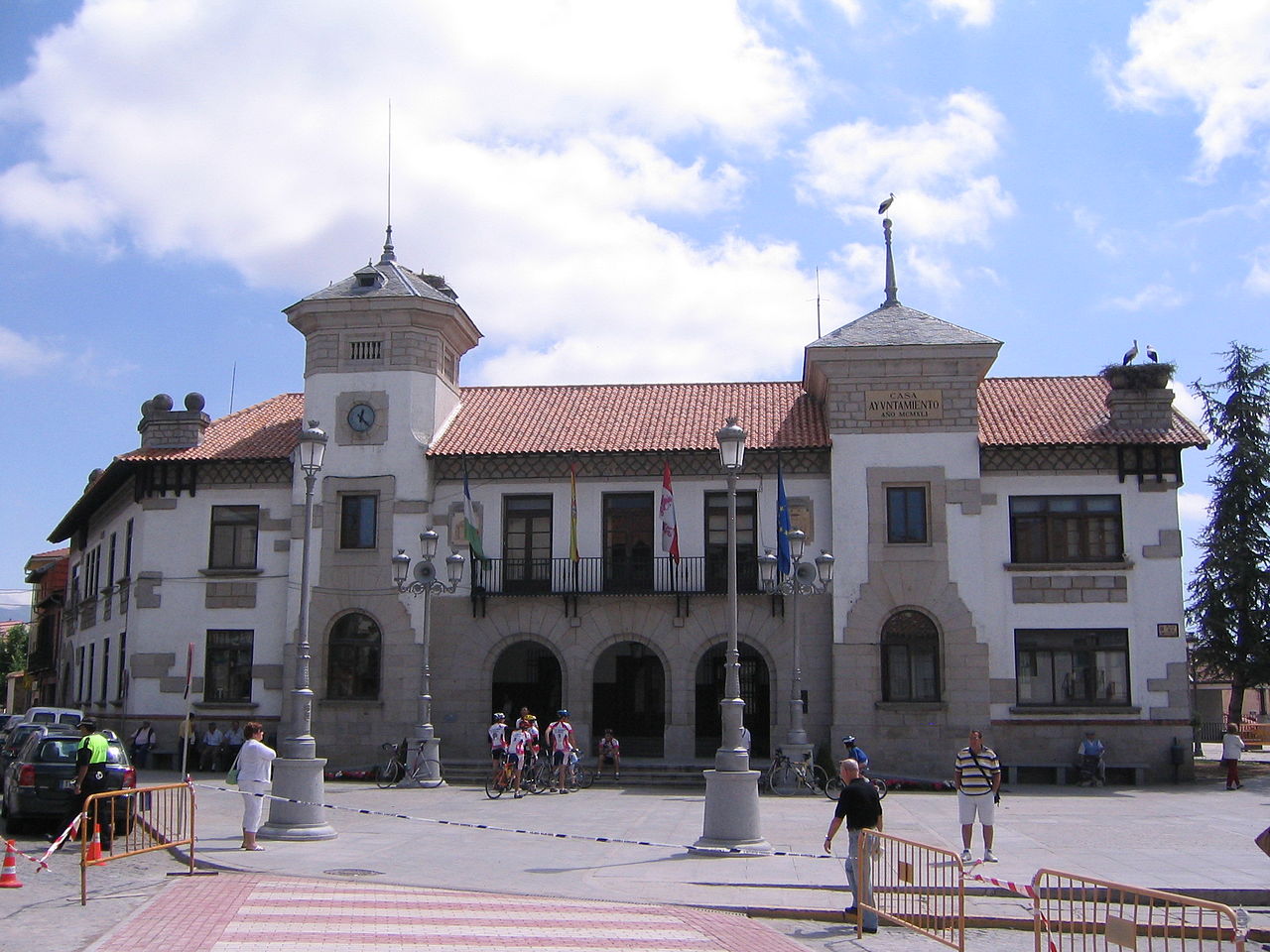
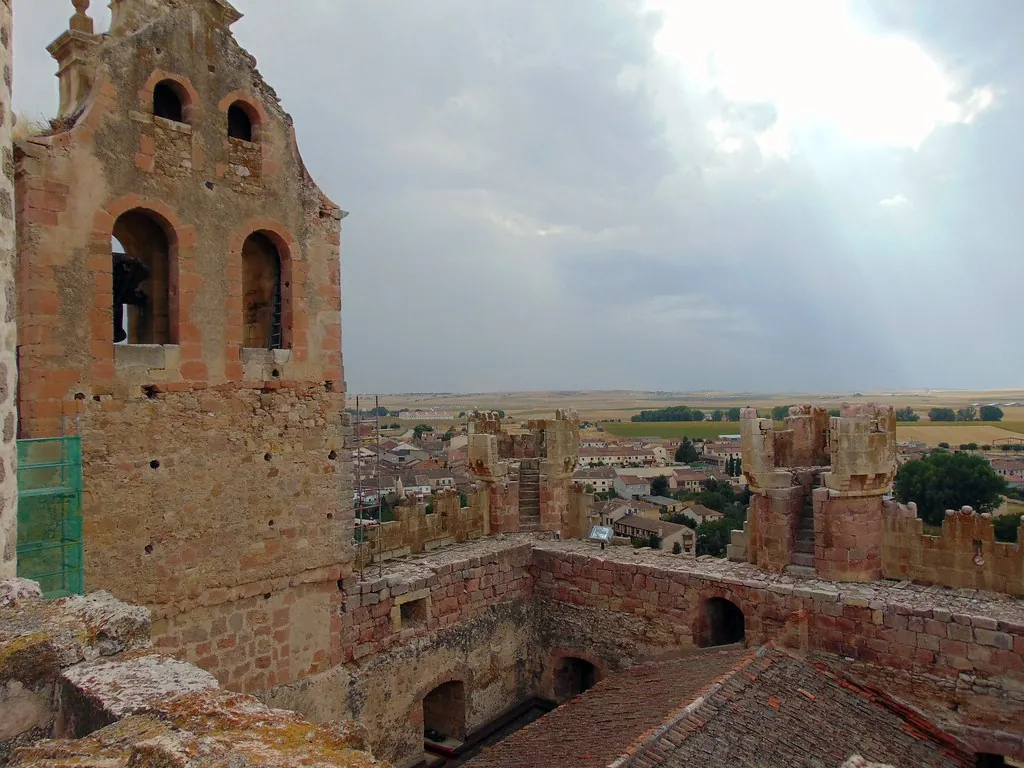
Vista aérea de Basardilla
Instituto Geográfico Nacional · CC-BY 4.0 scne.es
Castilla y León · Cradle of Kingdoms

Basardilla

The tractor arrives at 7:23 am. Not 7:20, not 7:30—7:23, every morning except Sunday, rattling past the stone houses with the same diesel rhythm th...

136 inhabitants · INE 2025
1010m Altitude

Why Visit

Mountain Church of San Bartolomé Routes to the Sierra de Guadarrama

Best Time to Visit

year-round

San Bartolomé Festival (August) agosto

Things to See & Do
in Basardilla

Heritage

  • Church of San Bartolomé
  • farrier’s frame

Activities

  • Routes to the Sierra de Guadarrama
  • Local food

Festivals
& & Traditions

Fecha agosto

Fiestas de San Bartolomé (agosto)

Las fiestas locales son el momento perfecto para vivir la autenticidad de Basardilla.

Full Article
about Basardilla

Mountain village near Torrecaballeros; noted for its Romanesque church and proximity to the sierra.

Ocultar artículo Leer artículo completo

The tractor arrives at 7:23 am. Not 7:20, not 7:30—7:23, every morning except Sunday, rattling past the stone houses with the same diesel rhythm that's probably woken this street for forty years. In Basardilla, population somewhere south of two hundred, precision matters when there's not much else to distract you.

At 1,050 metres above sea level, the village sits high enough that the air thins slightly, enough that voices carry further than they should across the endless Castilian plain. This isn't the Spain of coastal brochures or city breaks. Segovia province's Tierras region stretches out in every direction—wheat fields, fallow plots, and the occasional stone barn breaking a horizon so flat it makes East Anglia look mountainous.

The Architecture of Survival

Walk the single main street and you're walking through a masterclass in rural Castilian building. The parish church squats solidly at the village centre, its stone walls thick enough to have survived everything from Napoleonic troops to modern neglect. Around it, houses demonstrate practical wisdom learned over centuries: deep-set windows facing away from the prevailing wind, wooden doors reinforced with iron strips, walls that taper slightly inward—subtle engineering against winter storms that can drive temperatures well below freezing.

Some properties gleam with fresh mortar and new roof tiles, owned by weekenders from Madrid or Segovia city who've bought into the idea of rural authenticity. Others stand roofless, their stone skeletons slowly returning to earth. The contrast isn't jarring so much as honest—this is what happens when a place stops being economically necessary but refuses to die completely.

Local builder José María (retired, but still consulted on every renovation) can point out which houses date from the 16th century based solely on the stone-cutting techniques. "See how these blocks fit together? No mortar needed. The earthquake of 1755 couldn't shift them." He's talking about the same Lisbon earthquake that destroyed much of southern Spain. Basardilla merely noticed the tremor.

Working the Horizontal

The surrounding landscape doesn't do drama. What it does instead is space—huge amounts of it, under an equally huge sky. The cereal fields roll away in subtle colour variations that change with the agricultural calendar: electric green in April when the wheat shoots first appear, golden blonde by July, then the rich browns of ploughed earth through winter.

This is walking country for those who appreciate subtlety over spectacle. Paths leave from the village edge in four directions, following ancient rights of way between fields. The most interesting route heads three kilometres north to the abandoned hamlet of Rebollo, where a 12th-century chapel stands unlocked and empty, its frescoes faded to ghostly outlines. Take water—there's none between villages, and the altitude sun is deceptively strong even in October.

Bird watchers arrive with serious lenses and quiet voices. The plains support a different ecosystem to Spain's better-known wetlands or mountain ranges. You'll see kestrels hovering over field margins, hoopoes probing for insects in short grass, and if you're particularly fortunate, a pair of great bustards performing their absurd mating dance—think turkey crossed with ballerina, performed with complete seriousness.

The Food Question

Let's be honest: Basardilla itself won't satisfy serious food cravings. The single bar opens sporadically, depending on whether Ángel's back is playing up. When it's open, you can get a decent coffee and perhaps a tortilla slice made by his wife. That's it.

The nearest proper meal is a ten-minute drive to Cantalejo, where Asador Segovia serves lechazo (roast suckling lamb) that's been cooked the same way since 1962. The restaurant's wood-fired oven runs continuously—locals bring their own trays of meat to roast for Sunday lunch, paying by the kilo. A full meal costs around €25 including wine, though you'll need to book weekends.

Better still, self-cater. The Tuesday market in nearby Cuéllar (25 minutes drive) sells local cheese that never reaches supermarkets—try the queso de oveja cured in olive oil, sharp and slightly granular. Pair it with bread from Panadería San Miguel in Cantalejo, baked at 4 am daily using flour milled twenty kilometres away. The combination tastes of this specific geography: dry plains, cold nights, and enough altitude to make everything concentrate its flavour.

Winter's Sharp Edge

Visit between November and March and you'll understand why Castilian architecture developed as it did. Temperatures regularly hit -10°C, and the wind sweeping across from the Sierra de Guadarrama carries enough force to make walking genuinely difficult. The village's handful of permanent residents disappear indoors by 6 pm, wooden shutters banging closed against the cold.

But clear winter days offer their own rewards. The light turns crystalline, sharpening every stone edge and making the distant mountains appear close enough to touch. Photography enthusiasts arrive with tripods and patience, capturing the way afternoon sun picks out terracotta roof tiles against ochre walls. The best shots happen around 4 pm in December, when the sun sits low enough to create theatrical shadows but hasn't yet disappeared behind the western hills.

Access becomes genuinely problematic after heavy snow. The A-60 motorway from Madrid usually stays clear, but the final twelve kilometres of country road can remain ungritted for days. Winter visitors should carry blankets, water, and tell someone their expected arrival time—mobile reception drops out in the valley approaches, and the village has no resident police or medical services.

The August Invasion

For precisely nine days each August, Basardilla quadruples in population. The fiesta patronal brings back families who left for Madrid or Barcelona decades ago, plus the curious from surrounding villages. Suddenly the silent streets echo with children's voices, and the plaza fills with plastic tables for communal meals.

The church bell rings more in these nine days than the rest of the year combined. There's a procession, but more importantly there's a paella contest, a domino tournament with surprisingly high stakes, and a disco that runs until 5 am in the sports pavilion (essentially a concrete shed with coloured lights). Accommodation becomes impossible—every spare room fills with cousins, and the nearest hotel rooms in Cuéllar book out months ahead.

Then it's over. By August 18th, the last car departs laden with suitcases and regional products. The village exhales, returns to its normal rhythms. The tractor resumes its 7:23 am circuit. Life contracts back to essentials: the fields, the weather, and enough human presence to keep the place breathing but not much more.

This is Basardilla's particular magic—not dramatic enough for tour groups, not convenient enough for casual visitors, but quietly persistent in its rhythms. Come prepared for self-sufficiency, bring curiosity about how Spain lived before tourism, and you'll find a place that measures time not in seasons but in harvests, where the horizon remains wide enough to make your own problems feel appropriately small.

Key Facts

Region
Castilla y León
District
Tierras de Segovia
INE Code
40026
Coast
No
Mountain
Yes
Season
year-round

Livability & Services

Key data for living or remote work

2024
Connectivity5G available
TransportTrain 12 km away
HealthcareHospital 11 km away
EducationElementary school
Housing~5€/m² rent · Affordable
CoastBeach nearby
Sources: INE, CNMC, Ministry of Health, AEMET

Official Data

Institutional records and open data (when available).

  • IGLESIA DE SANTO DOMINGO
    bic Monumento ~3.4 km

Planning Your Visit?

Discover more villages in the Tierras de Segovia.

View full region →

More villages in Tierras de Segovia

Traveler Reviews